
Home
Services
About us
Blog
Contacts
How to Build a WhatsApp Clone App: From Startup MVP to Enterprise-Grade Messenger
The global instant messaging market reached USD 31.58 billion in 2025 and is projected to grow at a CAGR of 9.3% through 2034, according to Business Research Insights. As of October 2025, WhatsApp alone serves three billion monthly active users across 180 countries (Statista/DataReportal). Meanwhile, 94.1% of internet users worldwide accessed messaging apps on a monthly basis during Q2 2025 (DataReportal). Behind every one of those statistics sits a clear business signal: the demand for custom communication platforms has never been stronger, and the window for building a WhatsApp clone app has never been wider.
A-Bots.com is a full-cycle software development company with more than 70 completed projects and long-term client relationships spanning from 1.5 to over 5 years. Their technology stack — React Native, Java, Kotlin, Swift, Node.js, Python, and Django — covers every layer required for messenger app development, from real-time backend infrastructure to polished cross-platform interfaces. Whether you are a startup founder mapping out an MVP or a corporate CTO who needs a secure internal communication tool, A-Bots.com brings the engineering depth to turn your WhatsApp clone app concept into a production-ready product. Their expertise in IoT, chatbots, and blockchain projects means they understand not only how messaging works but also how it integrates with broader digital ecosystems.
A-Bots.com also provides QA testing services for both custom builds and existing third-party applications. If you already have a messenger like WhatsApp in production and need independent quality assurance — from functional regression to security penetration testing — their QA team can evaluate and harden your platform without disrupting your release cycle.
This article explains everything you need to know about building a WhatsApp clone app in 2026: why companies invest in custom messengers, what core features matter, how messenger app development works under the hood, and which new messaging platforms are reshaping the competitive landscape.
Why Build a WhatsApp Clone App in 2026?
Building a WhatsApp clone app is not about copying WhatsApp screen by screen. It is about understanding what makes real-time messaging compelling and then engineering a platform tailored to your audience, your compliance requirements, and your monetization model.
There are two broad scenarios where a WhatsApp clone app makes strategic sense.
Startups launching a consumer or niche messenger. If you are building a community platform, a healthcare communication tool, a fintech chat system, or a social commerce app, you need messenger app development capabilities at your core. The user experience baseline is already set by WhatsApp: fast delivery, end-to-end encryption, voice and video calls, group chats, and file sharing. Your clone app messenger must meet those expectations while layering on features unique to your market — prescription sharing for telehealth, transaction confirmations for fintech, or live product feeds for social commerce.
Enterprises deploying a secure internal messenger. Large corporations, government agencies, defense contractors, and law firms increasingly reject third-party messaging platforms because they cannot guarantee data sovereignty. A messenger like WhatsApp handles 320 billion messages daily across shared infrastructure (Market Reports World). For organizations bound by HIPAA, GDPR, SOX, or classified information protocols, that architecture is a liability. They need a messenger clone built on private servers under full organizational control, where every message, attachment, and metadata record stays within the perimeter.
In both cases, the core challenge is the same: you need a team that knows how to handle real-time bidirectional communication, media transcoding, push notification reliability, and cryptographic protocol implementation — at scale. That is exactly the territory where A-Bots.com operates.
"Messaging is eating the world the same way software ate the world a decade ago. The question is no longer whether you need a messaging layer — it is whether you build or buy." — Benedict Evans, Independent Technology Analyst
Core Features of Any Serious WhatsApp Clone App
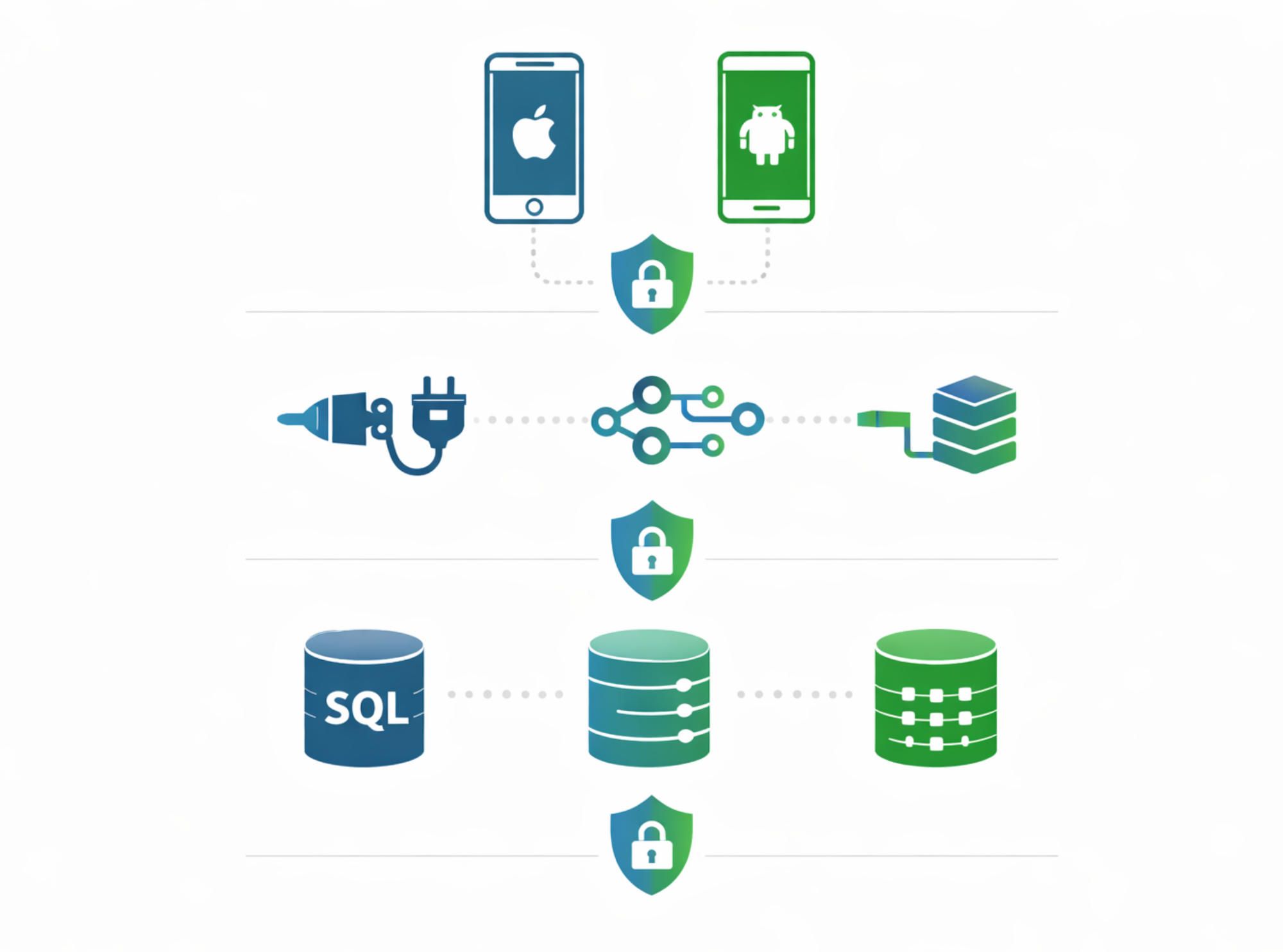
When planning a WhatsApp clone app, the feature list is not a wishlist — it is a technical architecture decision. Every feature you add changes your server topology, your database schema, and your client-side complexity. Here is what a production-grade clone app messenger requires as a minimum baseline.
User registration and creating messenger account flow. The process of creating messenger account must be frictionless. WhatsApp uses phone number verification via SMS or voice call. Your messenger clone can replicate that approach, use email-based onboarding, or skip identifiers entirely for maximum privacy (as some newer platforms do). The key engineering challenge in creating messenger account systems is balancing verification strength against onboarding drop-off. A-Bots.com has built registration flows for consumer apps with millions of users and enterprise tools requiring multi-factor authentication — both demand different approaches to creating messenger account pipelines.
Real-time messaging with delivery receipts. The backbone of any clone app messenger is the real-time transport layer. Most production messengers use WebSocket connections with fallback to long polling. Message delivery receipts (sent, delivered, read) require a state machine on both client and server. For a WhatsApp clone app at scale, you need message queuing (RabbitMQ, Kafka), horizontal load balancing, and persistent connection management.
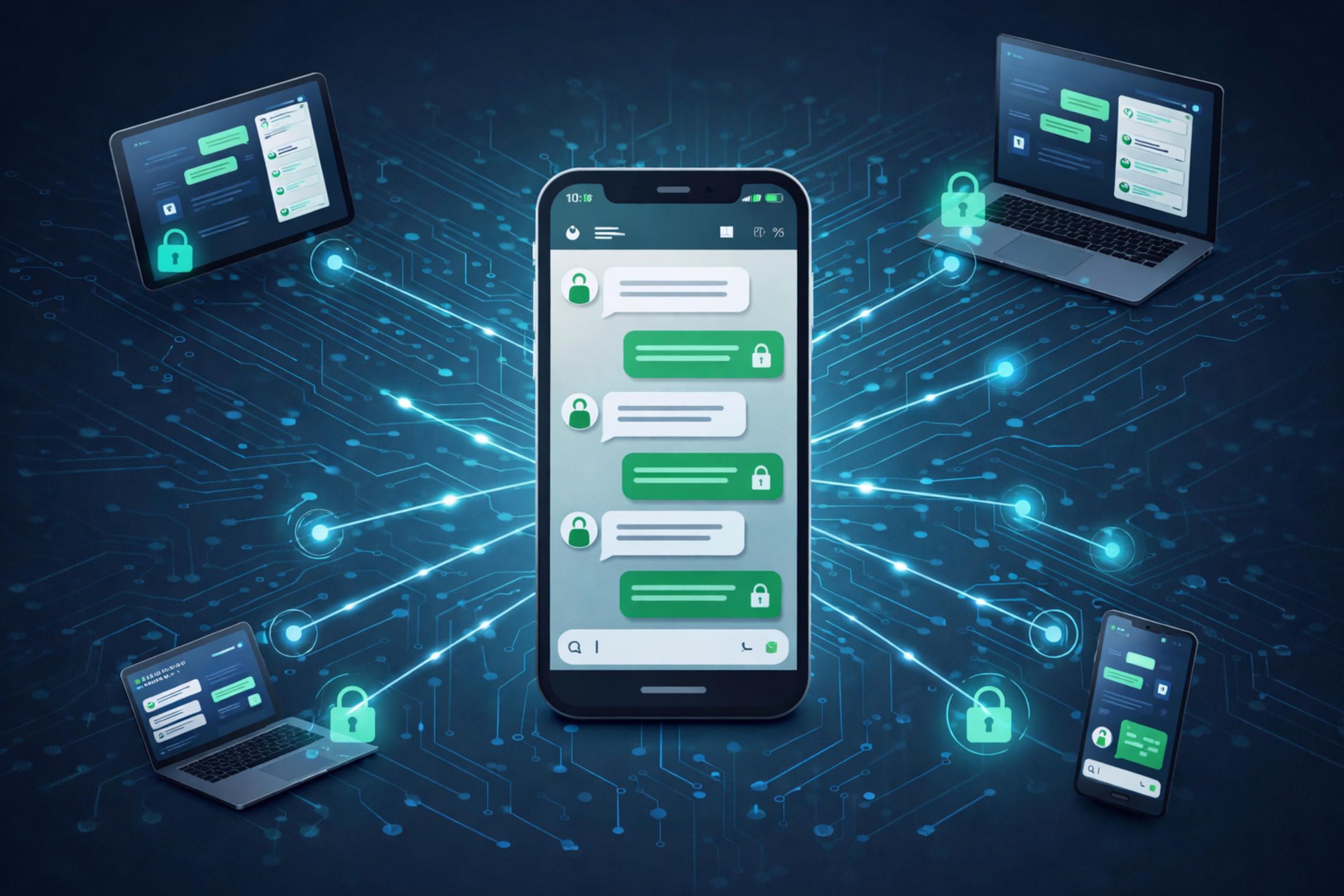
End-to-end encryption. Any messenger like WhatsApp must implement end-to-end encryption. The Signal Protocol remains the gold standard, providing forward secrecy and post-compromise security through the Double Ratchet algorithm. Implementing encryption correctly is non-trivial — key exchange, key rotation, multi-device key management, and encrypted push notifications all introduce complexity. This is an area where experienced messenger app development teams earn their fee, because a single implementation error can undermine the entire security model.
Voice and video calling. WebRTC is the dominant framework for peer-to-peer audio and video. Your WhatsApp clone app needs STUN/TURN servers for NAT traversal, a signaling server, and codec negotiation logic. Group calling adds exponential complexity: selective forwarding units (SFUs) replace pure peer-to-peer topology when call sizes exceed three or four participants.
Media sharing and storage. Photos, videos, documents, voice messages, and location pins all require different upload, transcoding, and delivery pipelines. A clone app messenger needs CDN integration, thumbnail generation, and progressive download support. Enterprise messenger app development adds requirements for data loss prevention (DLP), file type restrictions, and compliance archival.
Group chats and channels. Group messaging architecture differs fundamentally from one-to-one chats. Your WhatsApp clone app must handle fan-out delivery (sending one message to hundreds or thousands of recipients), admin permissions, member limits, and invitation workflows. Channels — one-to-many broadcast features — have become expected since Telegram popularized them.
Push notifications. Reliable push notifications are critical for engagement. FCM (Firebase Cloud Messaging) for Android and APNs (Apple Push Notification service) for iOS are standard. The challenge with a messenger clone is keeping notification payloads encrypted while remaining compliant with platform guidelines. Creating messenger account systems must tie notification tokens to user identities securely.
"The hardest part of building a messenger is not the chat screen — it is keeping ten million concurrent WebSocket connections alive while encrypting every payload in transit." — Adrian Cockcroft, former VP of Cloud Architecture at AWS
The Technology Behind Messenger App Development
Messenger app development is one of the most technically demanding categories in mobile engineering. Unlike e-commerce or content apps, a messenger like WhatsApp demands real-time performance, sub-second latency, and five-nines reliability. Here is the technology stack that powers a serious WhatsApp clone app.
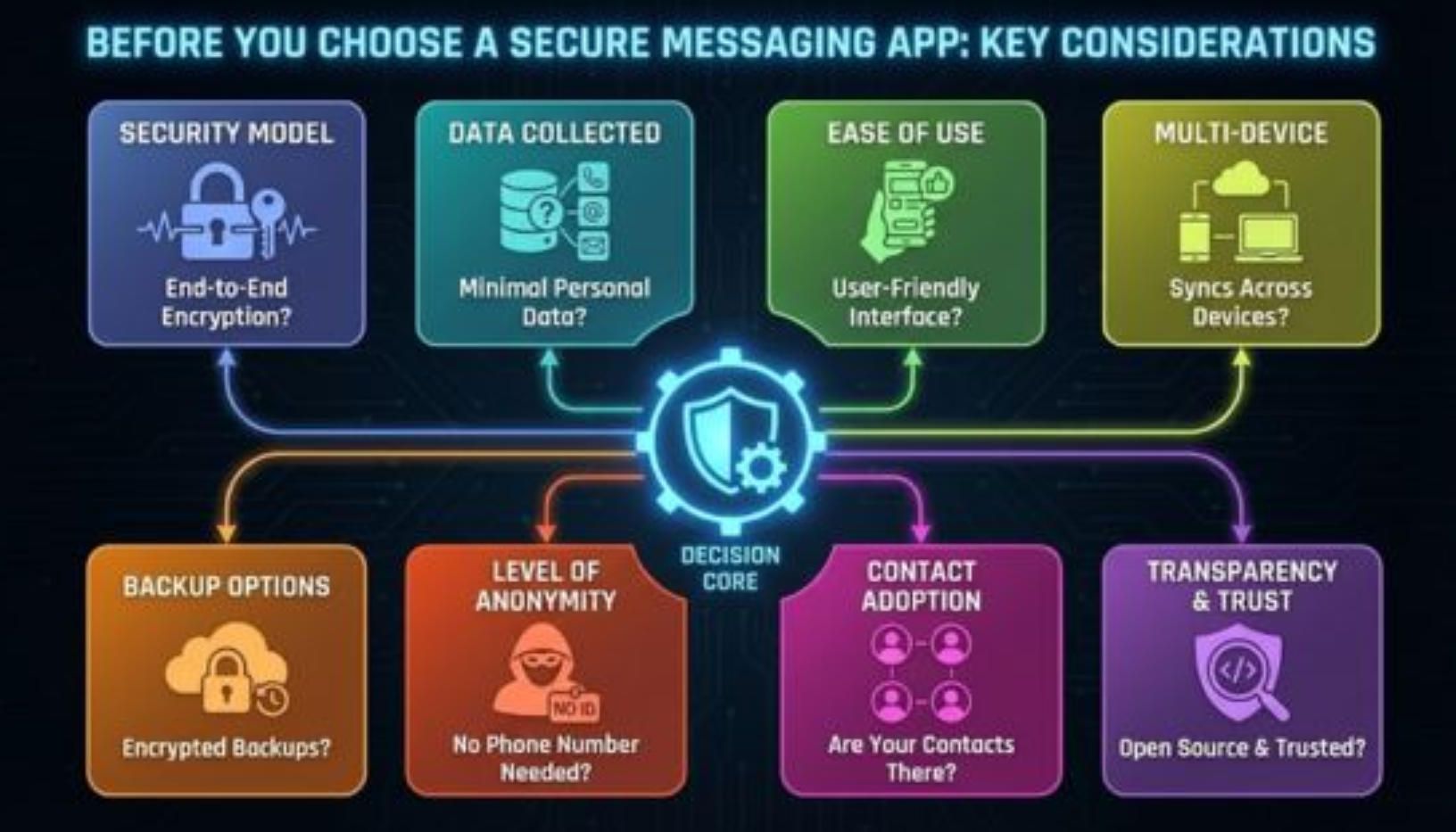
Frontend (mobile clients). Cross-platform frameworks like React Native and Flutter dominate modern clone app messenger projects because they cut development time by 30-40% compared to fully native builds. React Native, which is a core competency at A-Bots.com, allows teams to share business logic between iOS and Android while still accessing native modules for camera, microphone, and notification handling. For enterprises needing maximum performance on a specific platform, native development in Swift (iOS) or Kotlin (Android) remains the best option.
Backend infrastructure. The backend of a WhatsApp clone app handles authentication, message routing, presence (online/offline status), media storage, and notification dispatch. Node.js and Python/Django — both part of A-Bots.com's stack — are common choices. Node.js excels at handling concurrent WebSocket connections due to its event-driven architecture. Django provides a structured framework for REST APIs, admin panels, and integration with enterprise systems.
Database layer. Messenger app development typically combines multiple database technologies. A relational database (PostgreSQL) for user profiles, contacts, and account metadata. A NoSQL store (Cassandra or ScyllaDB) for message storage, optimized for write-heavy workloads. Redis for session caching, presence data, and rate limiting. This polyglot persistence approach ensures that each data type is stored in the most appropriate engine.
Messaging protocol. XMPP (Extensible Messaging and Presence Protocol) was the original standard for chat applications. Modern messenger clone projects often use custom binary protocols over WebSockets for better performance and tighter encryption control. MQTT is popular in IoT-integrated messenger app development scenarios — an area where A-Bots.com brings deep expertise from their work on robot vacuum controllers, smart appliance interfaces, and agricultural sensor networks.
DevOps and scaling. A production clone app messenger needs containerization (Docker), orchestration (Kubernetes), CI/CD pipelines, and monitoring (Prometheus, Grafana). Auto-scaling is essential: a messenger like WhatsApp must handle usage spikes — morning commutes, breaking news events, holiday greetings — without degrading performance for any user. Teams that skip DevOps planning early in a WhatsApp clone app project inevitably face painful re-architecture once traffic grows.
Creating Messenger Account Systems: Security and UX Considerations
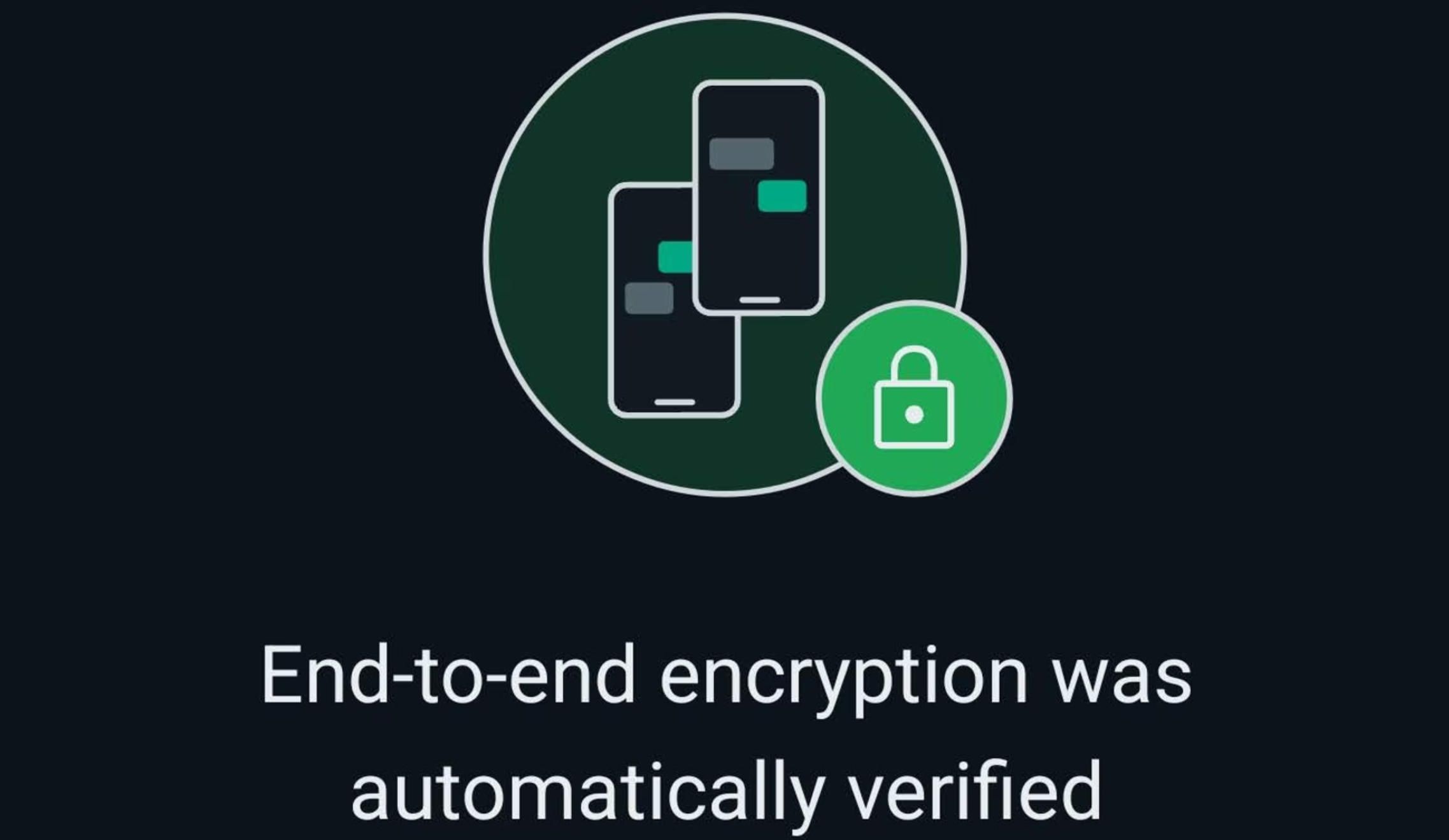
The process of creating messenger account is the first interaction any user has with your platform, and it sets the tone for trust. If creating messenger account feels clunky, insecure, or invasive, users leave before sending their first message.
Modern approaches to creating messenger account fall into three categories.
Phone number verification. The classic WhatsApp model. Users enter their phone number, receive an SMS or voice code, and verify ownership. Advantages: strong identity binding, easy contact discovery (matching phone contacts). Disadvantages: excludes users without phone numbers, requires SMS gateway costs, and creates a linkable identifier that privacy-conscious users dislike.
Email-based registration. Common in enterprise messenger clone deployments. Users authenticate via corporate email and single sign-on (SSO) providers like Okta, Azure AD, or Google Workspace. This approach integrates naturally with existing identity management systems, making it ideal for organizations deploying a messenger like WhatsApp for internal teams.
Anonymous or identifier-free onboarding. Emerging platforms like Session and SimpleX Chat have pioneered approaches where creating messenger account requires no phone number, no email, and no persistent identifier. Session generates a random 66-character alphanumeric ID. SimpleX uses no user identifiers at all — not even random ones. These approaches maximize privacy but make contact discovery harder, since users must share connection links or QR codes out of band.
The right approach depends on your use case. A consumer WhatsApp clone app targeting broad adoption should use phone number verification for familiarity. An enterprise clone app messenger should integrate with SSO. A privacy-focused messenger clone should minimize or eliminate identifiers entirely.
A-Bots.com works across all three models and can architect hybrid approaches — for example, a system where public-facing users register via phone number while internal staff authenticate via corporate SSO, all within a single messenger app development project.
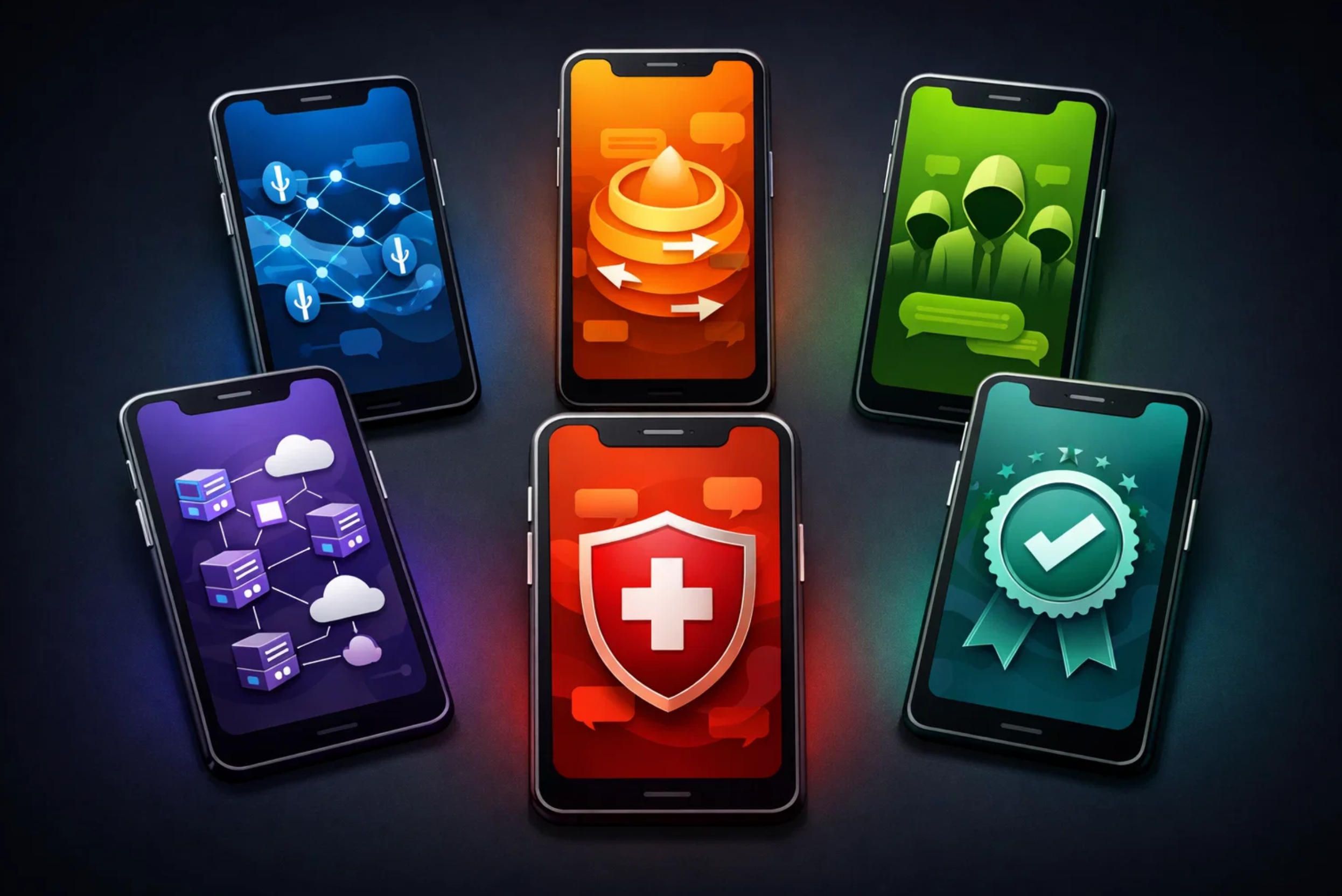
Six New Messengers Similar to WhatsApp You Should Know About
The messaging landscape is no longer a two-horse race between WhatsApp and Telegram. A new generation of platforms has emerged, each attacking the problem from a different angle. If you are planning your own WhatsApp clone app, studying these competitors provides valuable insight into where the market is heading. Every successful WhatsApp clone app learns from what these platforms get right — and what they sacrifice.
1. Bitchat
Launched in July 2025 by Jack Dorsey (co-founder of Twitter and CEO of Block), Bitchat is the most radical departure from traditional messenger app development in years. This messenger like WhatsApp operates entirely without internet connectivity, using Bluetooth Low Energy (BLE) mesh networks to relay encrypted messages between nearby devices. There are no servers, no phone numbers, no accounts — just peer-to-peer encrypted communication.
Bitchat saw explosive real-world adoption during political protests in Madagascar (70,000 downloads in one week) and Nepal (50,000 downloads in a single day in September 2025). In January 2026, downloads surged in Uganda and Iran during internet blackouts. Messages hop across up to seven devices, extending the effective range to roughly 300 meters. The app supports IRC-style chat rooms, password-protected channels, and an emergency wipe function. It even enables Bitcoin transactions over the mesh network.
The trade-offs are significant: Bitchat only works when enough nearby devices are running the app, and Dorsey himself posted a disclaimer on GitHub warning against relying on its security until independent audits are completed. But as a proof of concept for offline, censorship-resistant communication, Bitchat is groundbreaking.
2. Session
Session is a Swiss-based, decentralized messenger that routes messages through an onion-routing network similar to Tor. Creating messenger account on Session requires no phone number and no email — the app generates a random 66-character alphanumeric ID instead. The Session Technology Foundation moved its legal jurisdiction from Australia to Switzerland in November 2024 for stronger privacy protections.
In late 2025, Session announced its V2 Protocol, which will introduce Perfect Forward Secrecy (PFS) and Post-Quantum Encryption (PQE) — addressing the two most common criticisms from the security community. The protocol specification is expected in 2026. Session supports text, voice messages, file attachments, and group chats with up to 100 members. It is open source and has been reviewed by security researchers at Privacy Guides and CyberInsider. Session is available on Android, iOS, Windows, macOS, and Linux.
3. SimpleX Chat
SimpleX Chat, developed by UK-based SimpleX Chat Ltd, takes an approach so radical that it challenges the fundamental assumption of every other messenger clone on the market: it uses no user identifiers at all. Not a phone number, not a username, not even a random ID. Each connection between two users uses separate, unidirectional messaging queues routed through different relay servers. This architecture makes it mathematically impossible to build a social graph of SimpleX users — even for the server operators.
SimpleX uses quantum-resistant end-to-end encryption based on the Double Ratchet algorithm, supports disappearing messages, voice and video calls, and file sharing. It has been audited twice by Trail of Bits (2022 and 2024). Jack Dorsey personally invested in SimpleX in 2024. Organizations can self-host their own relay servers for complete data sovereignty — a feature that makes SimpleX particularly attractive for enterprise messenger app development.
4. Element (Matrix Protocol)
Element is the flagship client for the Matrix open-standard protocol, and it represents the most enterprise-ready open-source messenger clone available. Matrix is a federated protocol, meaning organizations can run their own homeservers while still communicating with users on other Matrix servers — similar to how email works across different providers.
The client list is remarkable: the French government, the German military (Bundeswehr), NATO, and Mozilla all use Matrix-based communication systems. Element supports end-to-end encrypted messaging, voice and video calls, file sharing, and bridges to other platforms including Slack, IRC, Discord, and Telegram. For organizations building a WhatsApp clone app focused on interoperability and data sovereignty, Element provides a production-proven foundation. It is open source and free.
5. Threema
Threema is a Swiss messenger that has been operating since 2012 but gained significant traction after WhatsApp's controversial privacy policy changes in 2021. What distinguishes Threema from other messenger app development projects is its business model: users pay a one-time fee of approximately $5.99, and the company generates no revenue from data or advertising.
Creating messenger account on Threema requires no phone number or email — users receive a random Threema ID. Optionally, users can link a phone number or email for contact discovery. All communication is end-to-end encrypted, and Threema's servers are located exclusively in Switzerland. Threema Work, the enterprise version, offers MDM integration, administrator controls, and compliance features. The Swiss Federal Administration uses Threema for official communication.
6. Olvid
Olvid is a French-developed secure messenger that earned certification from ANSSI (France's National Cybersecurity Agency) — the only messenger to hold this certification. In November 2023, French Prime Minister Élisabeth Borne issued a directive requiring all government ministers and staff to switch to Olvid.
What makes Olvid technically distinct is that it does not rely on a central directory or server trust for encryption. Instead, it uses a cryptographic protocol where key verification happens directly between users, eliminating the need to trust the server infrastructure. Creating messenger account on Olvid does not require a phone number. The messenger supports text, voice, video, group chats, and file sharing. It is available on iOS, Android, Windows, macOS, and Linux. Olvid offers both free and enterprise tiers.
"The future of messaging belongs to platforms that treat privacy not as a feature but as an architectural decision baked into every protocol layer." — Meredith Whittaker, President of Signal Foundation
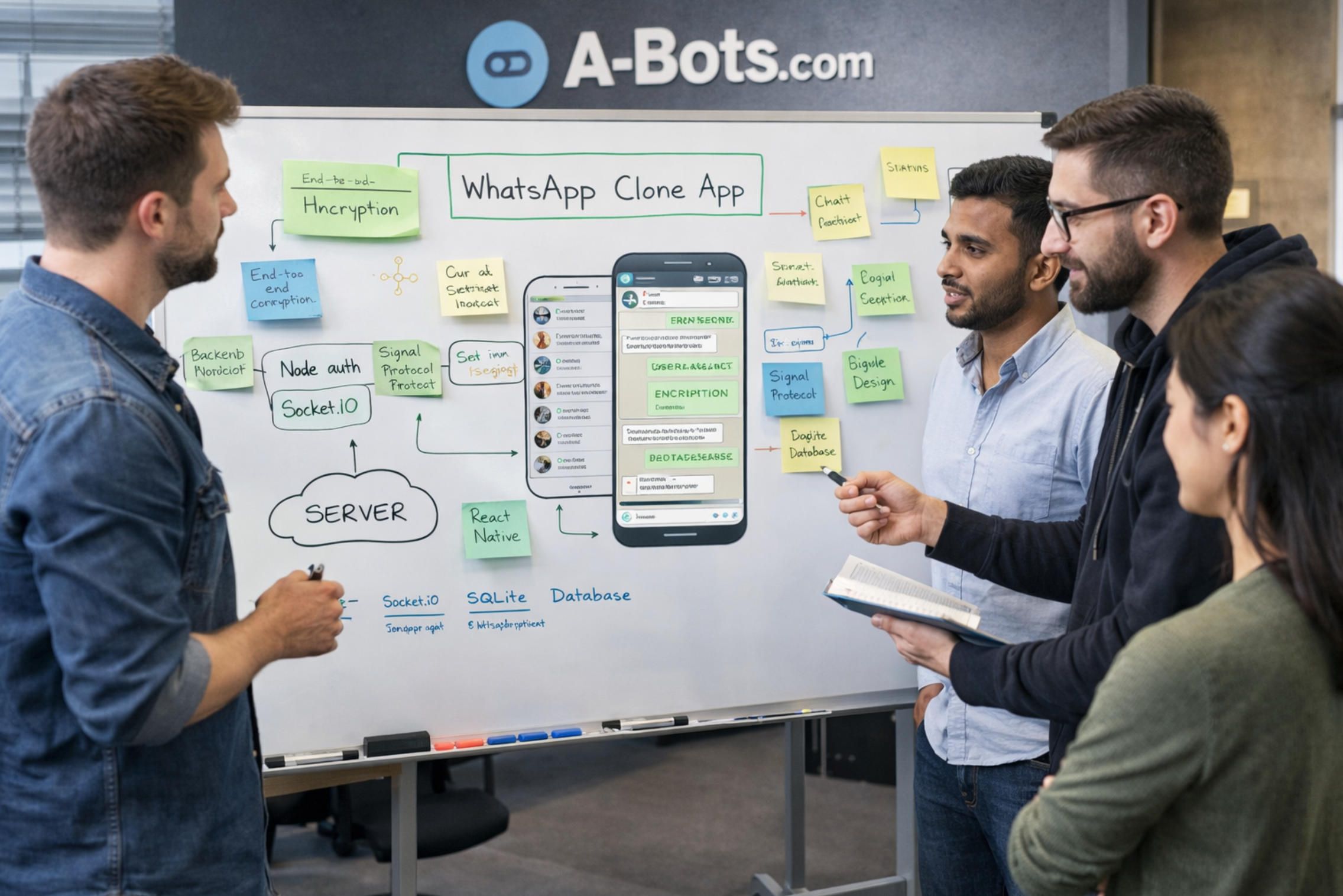
From Concept to Launch: How A-Bots.com Handles Messenger App Development
Building a messenger like WhatsApp from scratch is a 6-to-18-month journey depending on scope. A-Bots.com approaches each messenger app development project with a structured, phased methodology.
Phase 1: Strategy and product definition. Before writing a single line of code, A-Bots.com works with you to define user personas, feature priorities, compliance requirements, and technical constraints. This phase produces a product roadmap, wireframes, and a technical architecture document. For a WhatsApp clone app, this means deciding on registration flow (phone, email, or anonymous), encryption protocol, hosting model (cloud vs. on-premise), and integration points.
Phase 2: MVP development. The first release of your clone app messenger focuses on core messaging: one-to-one chat, group chat, media sharing, push notifications, and basic profile management. A-Bots.com uses React Native for cross-platform mobile development and Node.js or Django for the backend, delivering a functional messenger clone that can be tested with real users in 3-5 months.
Phase 3: Feature expansion. Based on user feedback and analytics, the team adds advanced features: voice and video calling (WebRTC), channels, bots, admin panels, analytics dashboards, and third-party integrations. This is the phase where your WhatsApp clone app evolves from an MVP into a competitive product.
Phase 4: Scaling and optimization. As your user base grows, A-Bots.com optimizes database queries, implements caching layers, configures auto-scaling, and hardens security. Their experience with IoT platforms — which also require real-time data delivery at scale — translates directly to messenger app development challenges.
Phase 5: QA and ongoing support. A-Bots.com provides comprehensive QA testing, including functional testing, load testing, security audits, and cross-device compatibility. If you already have a messenger like WhatsApp in production and need independent QA, A-Bots.com can evaluate your existing platform and deliver actionable improvement reports.
With client relationships lasting up to five years and more than 70 projects completed, A-Bots.com is not a one-and-done vendor. They are a long-term technology partner for companies serious about messenger app development.
How Much Does It Cost to Build a WhatsApp Clone App?
The cost of building a WhatsApp clone app depends on scope, complexity, and geography. Here are realistic ranges based on industry data.
A basic messenger clone MVP with text chat, media sharing, and push notifications typically costs between $40,000 and $80,000 and takes 3-5 months. A mid-range clone app messenger with voice/video calls, end-to-end encryption, group management, and admin tools runs $80,000 to $200,000 over 6-10 months. An enterprise-grade messenger like WhatsApp with full encryption, compliance tooling, on-premise deployment, SSO integration, and custom APIs can exceed $200,000 and take 12-18 months.
What affects the budget most? The encryption layer alone can consume 15-20% of total messenger app development cost. Adding voice and video calling with WebRTC pushes the WhatsApp clone app estimate higher because it requires STUN/TURN server infrastructure and media processing. Compliance certifications for healthcare or finance add another layer of cost to any clone app messenger.
A-Bots.com provides transparent project estimates based on detailed requirements analysis. Their offices in the USA, Ukraine, and Romania allow them to offer competitive rates without compromising engineering quality. The NDA-first approach available on their website (a-bots.com) ensures confidentiality from the very first conversation.
Common Mistakes When Building a WhatsApp Clone App
Building a WhatsApp clone app is a serious engineering endeavor, and teams that underestimate its complexity often learn expensive lessons. Here are the mistakes that A-Bots.com sees most frequently in WhatsApp clone app projects.
Skipping the encryption protocol design. Some teams bolt on encryption as an afterthought. In a proper WhatsApp clone app, the encryption protocol shapes the entire architecture — from how the backend stores messages (it should not be able to read them) to how the process of creating messenger account handles key generation. Getting this wrong means rebuilding the messenger clone from the foundation up.
Ignoring offline message delivery. Users expect that a messenger like WhatsApp delivers messages even when the recipient is offline. This requires a store-and-forward mechanism on the server, message queuing, and reliable retry logic. Many WhatsApp clone app MVPs skip this and lose users to frustration.
Underestimating push notification complexity. A clone app messenger that fails to deliver timely notifications is functionally broken. FCM and APNs have rate limits, payload size limits, and platform-specific quirks. Enterprise messenger app development adds complications: MDM-managed devices often restrict background processes, breaking standard notification flows.
Building features nobody asked for. A WhatsApp clone app does not need blockchain integration, an NFT marketplace, or a built-in AI assistant at launch. Start with core messaging, launch, collect data, and iterate. A-Bots.com's phased approach is designed specifically to prevent feature bloat from consuming budget before the messenger clone reaches users.
Choosing the wrong team. Messenger app development requires a specific skill set: real-time systems, cryptography, mobile optimization, and DevOps. A team that builds websites or CRUD apps will struggle with the concurrency, latency, and security demands of a WhatsApp clone app. A-Bots.com's portfolio includes IoT platforms, chatbots, and high-load applications — all of which share the real-time engineering DNA that a clone app messenger demands.
Monetization Strategies for Your WhatsApp Clone App
A WhatsApp clone app is not just a communication tool — it is a business platform. Once your messenger clone reaches a stable user base, monetization options open up across several proven models.
Freemium with premium features. The most common approach for a consumer WhatsApp clone app is to offer core messaging for free while charging for extras: larger file transfers, extended group sizes, custom themes, or priority support. Telegram's Premium subscription at $4.99 per month demonstrates that users will pay for enhanced messenger app development features when the base product is strong enough.
Enterprise licensing. If your WhatsApp clone app targets organizations, per-seat SaaS licensing is the standard model. Companies like Threema Work and Element Enterprise charge annually per user, bundling admin controls, compliance tools, and SLA guarantees. A-Bots.com can build the licensing infrastructure directly into your clone app messenger, including admin dashboards, usage analytics, and automated billing.
API and platform fees. A WhatsApp clone app with an open API can generate revenue from third-party integrations: chatbots, payment processing, CRM connectors, and marketplace features. This model works especially well when your messenger like WhatsApp becomes a platform that other businesses build on.
White-label licensing. Instead of competing directly with WhatsApp, some companies license their WhatsApp clone app technology to other businesses who rebrand it for their own markets. This is a capital-efficient way to monetize messenger app development investment across multiple verticals and geographies. A-Bots.com has experience building white-label solutions that allow clients to deploy a fully branded clone app messenger under their own identity.
WhatsApp Clone App for Specific Industries
Every industry has unique communication needs that a generic messenger cannot address. A custom WhatsApp clone app allows you to embed industry-specific workflows directly into the messaging experience.
In healthcare, a WhatsApp clone app can include HIPAA-compliant file sharing for lab results and prescriptions, appointment scheduling within chat threads, and integration with electronic health record (EHR) systems. In finance, a messenger like WhatsApp built for trading desks must support encrypted voice calls with compliance recording, audit trails for every message, and DLP policies that prevent sensitive data from leaving the platform. In education, a clone app messenger can integrate with LMS platforms, support virtual classroom breakout rooms, and provide parental communication channels with role-based access controls.
A-Bots.com's cross-industry experience — spanning IoT for consumer electronics, chatbots for customer service, and mobile apps for retail — gives them the domain flexibility to customize any WhatsApp clone app for vertical-specific requirements.
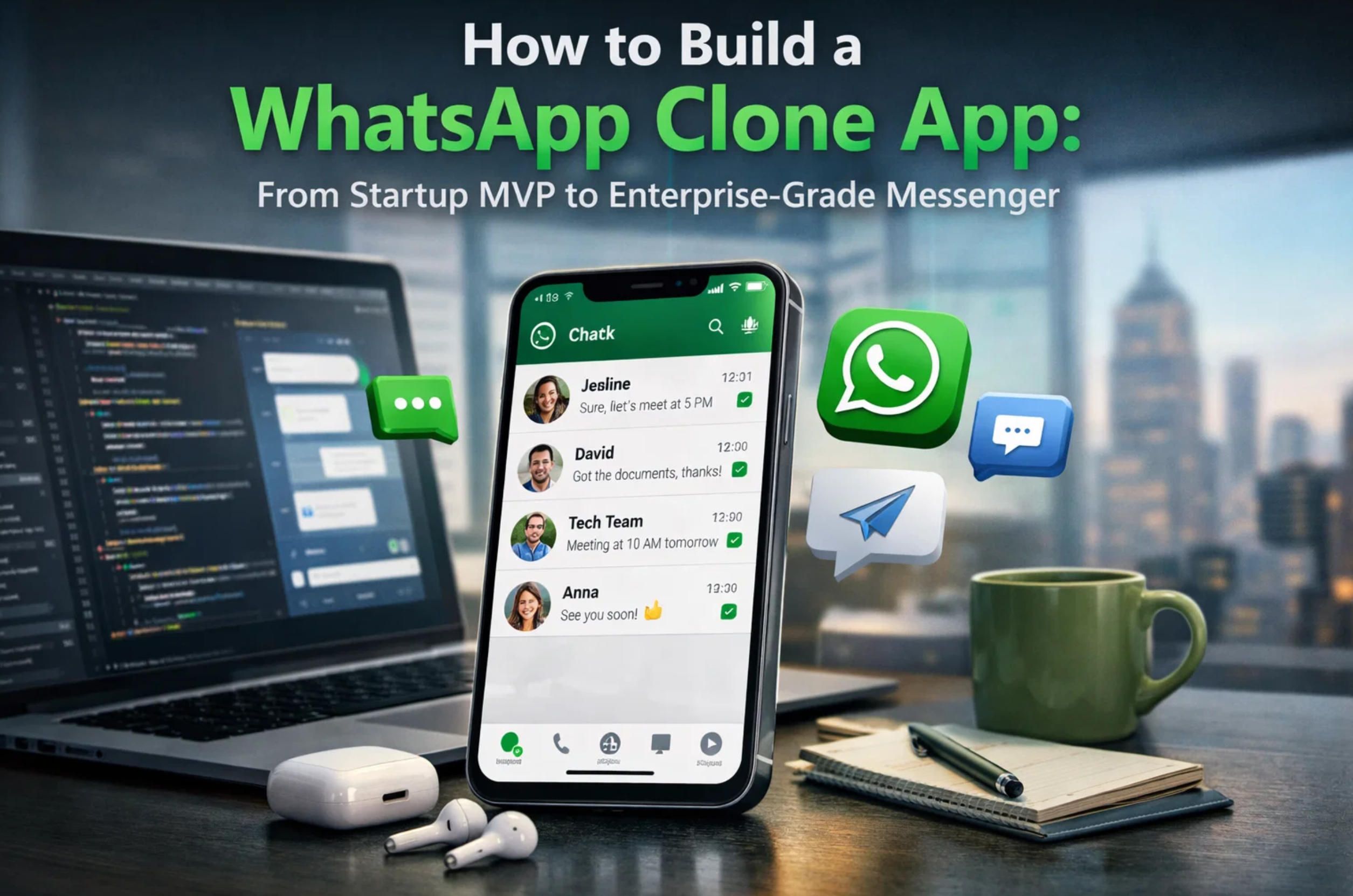
Conclusion: Your Messenger, Your Rules
The messaging market is projected to more than double by 2034. Enterprise adoption of messaging solutions has reached 78% of internal communication frameworks (Market Reports World). Over 87% of smartphone owners use at least one messaging app daily. The opportunity for a well-executed WhatsApp clone app is enormous — whether you are building for consumers, enterprises, or a specific vertical.
But building a messenger like WhatsApp is not a weekend project. A WhatsApp clone app requires expertise in real-time infrastructure, cryptographic protocols, cross-platform development, and compliance engineering. It requires a team that has built complex, multi-layered applications before — not just landing pages and CRUD apps.
A-Bots.com has that expertise. With a technology stack that spans React Native, Node.js, Python/Django, Swift, Kotlin, and Java, they cover every layer of messenger app development. With experience across IoT, chatbots, and blockchain, they understand how a clone app messenger fits into a larger digital ecosystem. And with more than 70 projects and client relationships lasting over five years, they bring the stability and accountability that a WhatsApp clone app project of this magnitude demands.
Whether you need to build a new WhatsApp clone app from scratch, extend an existing messenger clone with new capabilities, or run QA testing on a messenger like WhatsApp already in production — A-Bots.com is ready to help. The best time to start building your WhatsApp clone app was yesterday. The second best time is now.
Visit a-bots.com to estimate your project and start the conversation.
Sources:
- Business Research Insights — Instant Messaging App Market Report, 2025 (businessresearchinsights.com)
- Statista/DataReportal — Most popular global mobile messenger apps as of October 2025 (statista.com)
- DataReportal/We Are Social — Global online chat and messaging apps usage, Q2 2025 (statista.com)
- Market Reports World — Instant Messaging App Market Size and Share, 2025-2034 (marketreportsworld.com)
- Wikipedia — BitChat (en.wikipedia.org)
- CyberInsider — Session Messenger Review, February 2026 (cyberinsider.com)
- Privacy Guides — Session messenger adds PFS, PQE, December 2025 (privacyguides.org)
- SimpleX Chat — Official website and documentation (simplex.chat)
- European Purpose — SimpleX Chat Review 2026 (europeanpurpose.com)
- MEF (Mobile Ecosystem Forum) — BitChat: Jack Dorsey Launches Offline Messaging App, July 2025 (mobileecosystemforum.com)
✅ Hashtags
#WhatsAppCloneApp
#MessengerAppDevelopment
#CloneAppMessenger
#MessengerClone
#MessengerLikeWhatsApp
#CustomMessengerDevelopment
#MobileAppDevelopment
#ChatAppDevelopment
#EndToEndEncryption
#SecureMessaging
#StartupMVP
#EnterpriseMessenger
#ABots
Other articles
Drone Detection 2026: Expert Guide to Modern Methods for Middle East This comprehensive guide examines every major drone detection method available in 2026, with a specific focus on detecting fixed-wing attack drones threatening the Middle East and Persian Gulf countries. From radar and acoustic sensor networks to 5G cellular detection and aerostat surveillance walls, the article provides detailed technical specifications, coverage ranges, real-world performance data, and deployment considerations for Saudi Arabia, the UAE, Qatar, Bahrain, Kuwait, and other regional nations. Based on current conflict data and expert analysis from CSIS, Carnegie Endowment, and defense industry sources, this is an essential resource for anyone seeking to understand modern drone detection technology.
Elderly Care App Development 2026: Features, Tech Stack & Market Trends The global population aged 60 and over will reach 1.4 billion by 2030, driving unprecedented demand for digital elderly care solutions. This article examines the technical and design requirements behind elderly care app development, covering core features such as medication management, fall detection, telehealth integration, and AI-driven predictive health monitoring. It explores the challenges of designing for senior users, building reliable offline-first architecture, integrating IoT wearables and smart home devices, and navigating HIPAA and GDPR compliance. With the elderly care apps market projected to reach $16.87 billion by 2033, the article outlines what development teams and healthcare organizations need to know to build apps that genuinely serve an aging population.
Custom Branded App for Veterinary Clinic | Build and Scale Your Practice The veterinary software market is projected to exceed $3 billion by 2030, and clinics without mobile tools risk losing clients to digitally equipped competitors. This guide explains how a custom branded app for veterinary clinic operations improves client retention, reduces no-show rates by up to 65%, and opens new revenue streams through telemedicine. It covers essential features including online appointment scheduling, automated reminders, electronic medical records, secure messaging, and in-app payments. The article compares custom development against generic off-the-shelf platforms, presents market data from Grand View Research, APPA, and Mordor Intelligence, and shows how A-Bots.com builds scalable solutions for practices ranging from a single clinic to a multi-location veterinary network.
App for Window Cleaning Company | Custom Software Guide for New York 2026 Managing a window cleaning company requires coordinating field crews, tracking safety certifications, handling client relationships, and processing payments across dozens of job sites every week. This guide explores every essential feature of a purpose-built app for window cleaning company operations, from CRM and smart scheduling to OSHA compliance tracking and AI-powered route optimization. Using real market data from Fortune Business Insights and MarketsandMarkets, alongside a detailed look at how established NYC operator Big Apple Window Cleaning manages complex high-rise operations, the article demonstrates why custom software built by A-Bots.com outperforms generic off-the-shelf field service tools.
App for Dentist: Custom Dental Practice Software Guide 2026 Dental practices in 2026 face mounting operational challenges — staffing shortages, rising no-show rates, insurance claim denials, and growing patient expectations for digital convenience. A purpose-built app for dentist addresses these pain points by automating appointment scheduling, sending multi-channel reminders, streamlining billing, and integrating AI-powered diagnostics. The global dental practice management software market is projected to exceed USD 6.7 billion by 2033, reflecting rapid adoption across solo clinics, multi-provider practices, and dental support organizations. This guide covers essential features, market trends, AI capabilities, and the advantages of choosing custom development with A-Bots.com over generic off-the-shelf platforms.
Top stories

Copyright © Alpha Systems LTD All rights reserved.
Made with ❤️ by A-BOTS