Home
Services
About us
Blog
Contacts
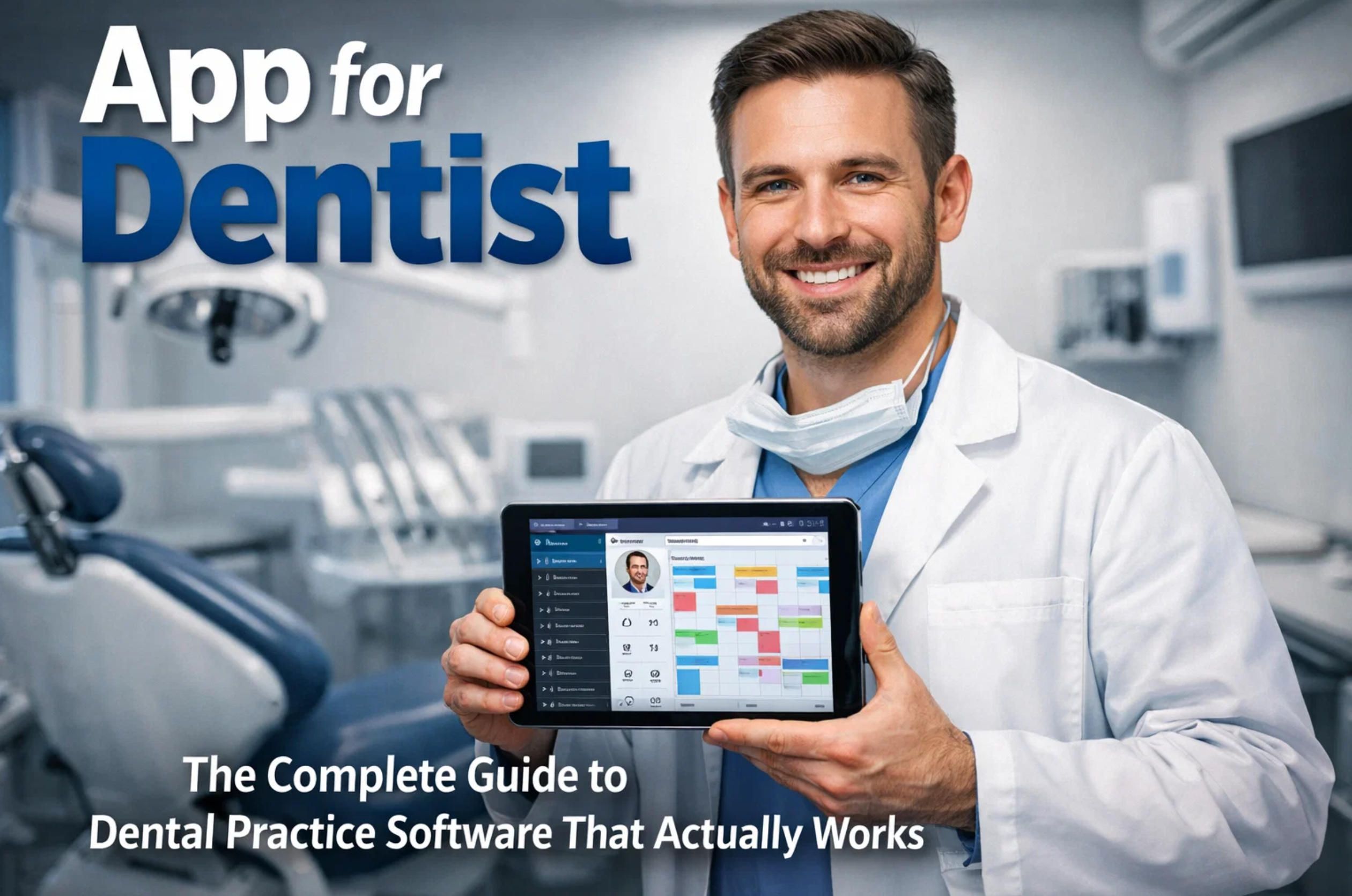
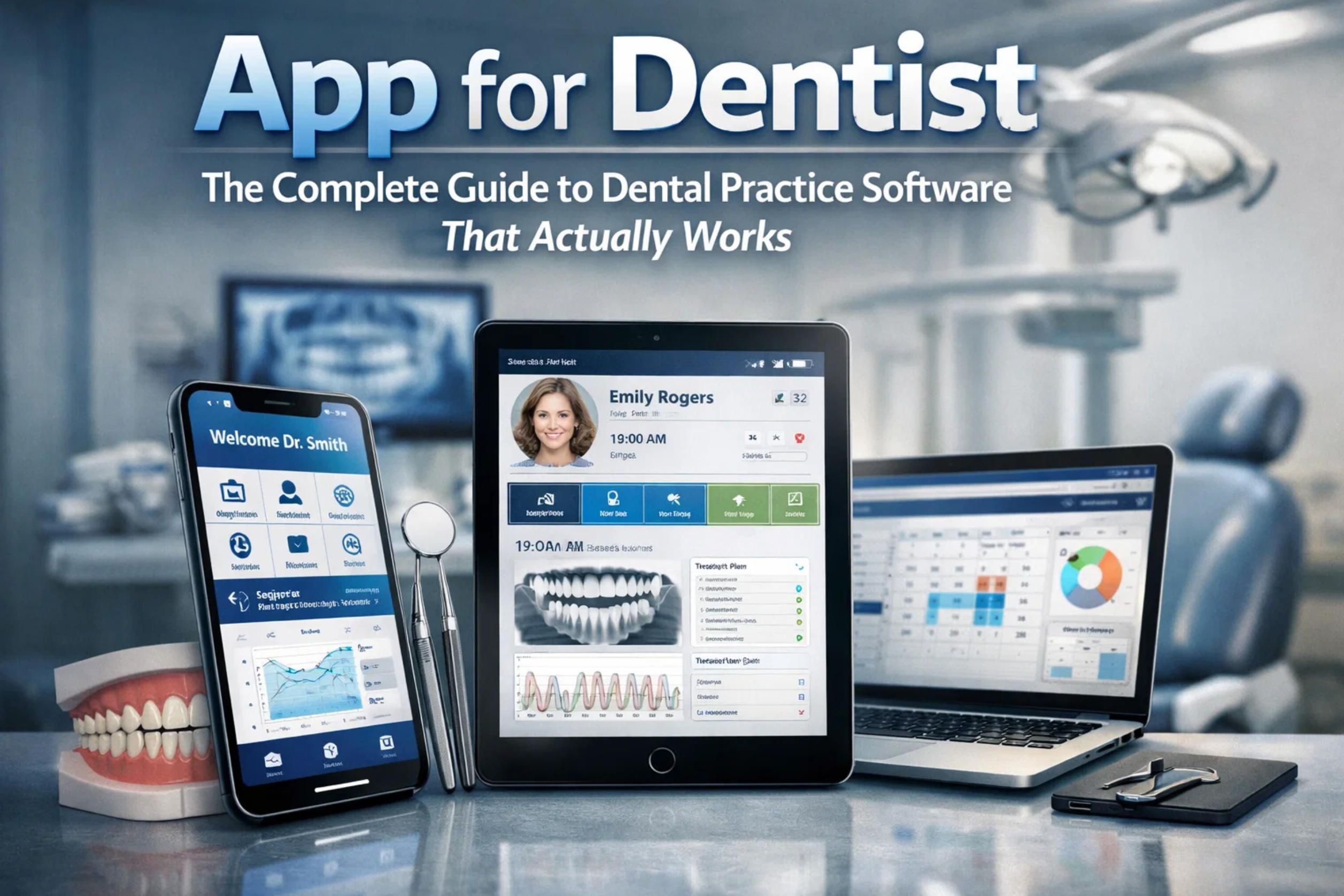
App for Dentist: The Complete Guide to Dental Practice Software That Actually Works
Running a dental practice in 2026 means juggling patient records, appointment schedules, insurance claims, billing cycles, and treatment plans — often all at once. The front desk is overwhelmed with phone calls, patients forget their appointments, and paper charts are slowly becoming relics of a less efficient era. This is exactly where a well-designed app for dentist steps in and changes how a practice operates from the ground up.
At A-Bots.com, we have spent years building custom mobile applications for businesses across healthcare, IoT, e-commerce, and beyond. With over 70 completed projects and client partnerships that stretch from 1.5 to more than 5 years, we understand that every dental practice has its own workflow, patient base, and growth ambitions. Whether you run a single-chair clinic or manage a network of dental offices across multiple cities, A-Bots.com has the engineering team and the technology stack — React Native, Node.js, Python, Django, and Swift — to deliver a custom app for dentist that fits your specific needs like a perfectly molded dental crown.
Our approach is straightforward. We sit down with you, define the goals, build a roadmap, and take your project from idea to a production-ready solution. We have done this for IoT device control apps, CRM platforms, e-commerce aggregators, and charity platforms across the United States, Europe, and beyond. A dental practice app for dentist is no different in terms of rigor — but it does require specialized knowledge of healthcare workflows, patient data security, and regulatory compliance. That is exactly what makes A-Bots.com the right partner for your dental software project.
Why Every Dental Practice Needs an App for Dentist in 2026
The dental practice management software market is booming. According to Grand View Research, the global market was valued at approximately USD 2.71 billion in 2024 and is projected to reach USD 6.77 billion by 2033, growing at a compound annual growth rate of 10.8%. North America alone accounted for over 40% of that market. These numbers are not abstract Wall Street projections — they reflect a genuine shift in how dental professionals manage their day-to-day operations.
The reason behind this growth is simple. Dental clinics face real operational challenges that an app for dentist solves directly. Staffing shortages remain the top concern among practicing dentists, followed by insurance reimbursement headaches and rising overhead costs, according to the American Dental Association's Health Policy Institute. When your staff spends hours on the phone confirming appointments or chasing down insurance authorizations, the practice bleeds money silently.
A well-built app for dentist automates these time-consuming tasks and lets your team focus on what matters most — patient care. Data from the ADA's quarterly economic reports shows that dentists are following through on their plans to invest in new software, even amid declining economic confidence. The message is clear: technology adoption is no longer optional for dental practices that want to stay competitive.
As reported by ADA Health Policy Institute, there were approximately 202,304 professionally active dentists in the United States as of 2023, and the dental workforce continues gravitating toward larger practices and dental support organizations. As of 2024, 16% of U.S. dentists are affiliated with a DSO, and among early-career dentists less than 10 years out of dental school, that number reaches 27%. This consolidation trend means more multi-location groups need centralized digital tools — and a custom app for dentist becomes a strategic asset, not just a convenience.
"The tooth fairy teaches children that you can sell body parts for money. A dental app teaches adults that they can save money by showing up on time." — Anonymous dental office manager
Core Features That Make an App for Dentist Essential
Not every app for dentist is created equal. The difference between a mediocre tool and a practice-changing platform lies in the features it offers and how well those features integrate with each other. Here is what a solid dental practice app should include.
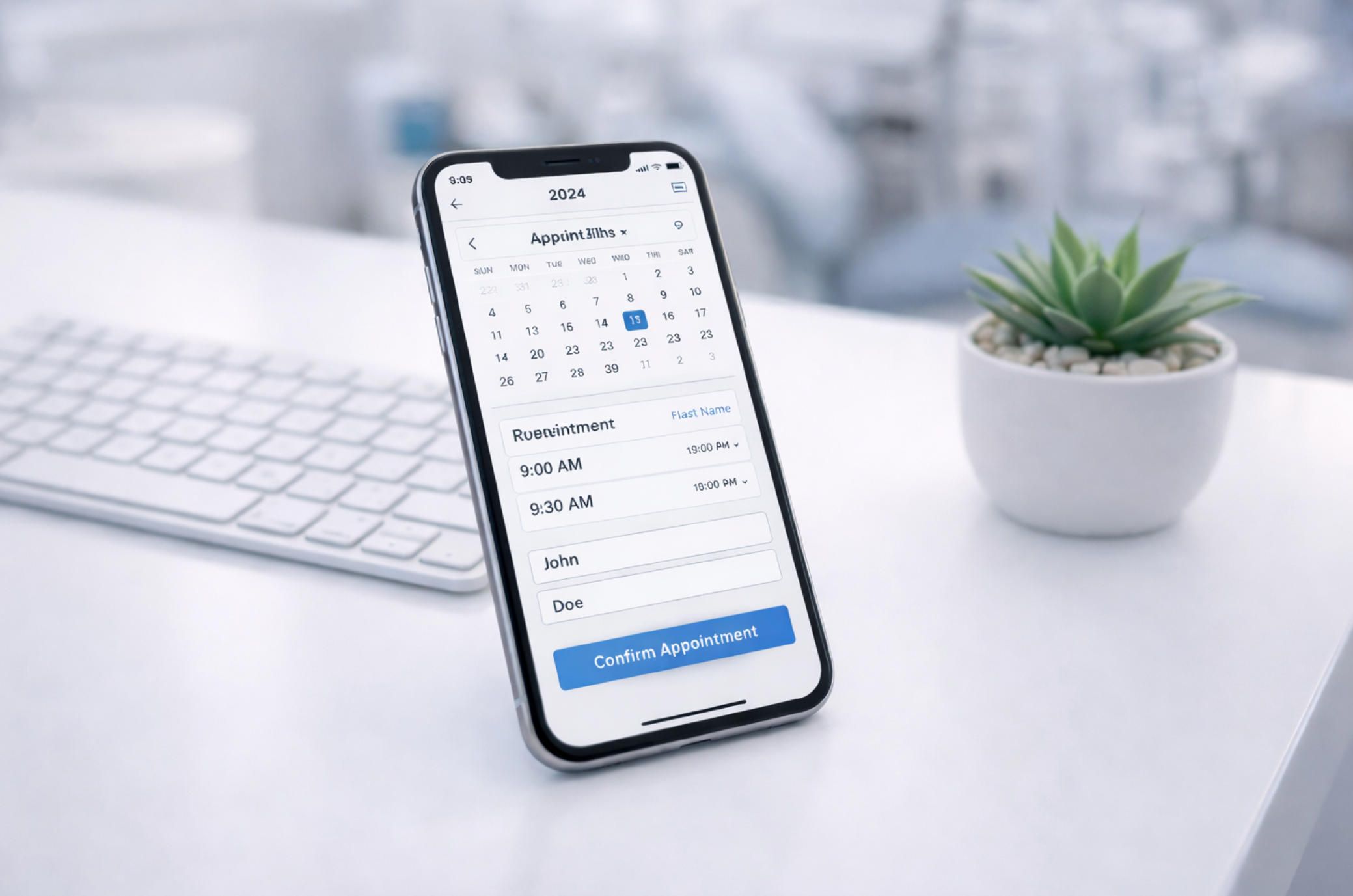
Online Appointment Scheduling is the foundation of any app for dentist. Patients expect to book appointments online at any hour, not just during business hours. Seamless integration with practice management systems like Dentrix, Open Dental, or Eaglesoft prevents double-entry errors and keeps the schedule accurate across all locations. Your app for dentist should allow patients to see available time slots, choose their preferred provider, and book or reschedule without ever calling the office.
Automated Appointment Reminders are the single most effective weapon against no-shows. Dental offices experience no-show rates between 10% and 30%, and practices lose an average of over $105,000 annually due to missed appointments, according to industry benchmarks from Arini AI. A landmark study analyzed by Dental Tribune found that automated reminders reduced no-shows by nearly 23%, translating to over $31,000 in recovered production per practice. Combining automated text reminders with a personal follow-up call can reduce no-shows by up to 41%. An app for dentist that sends text, email, and push notification reminders at strategic intervals — one week before, two days before, and the morning of the appointment — can fundamentally change your revenue picture.
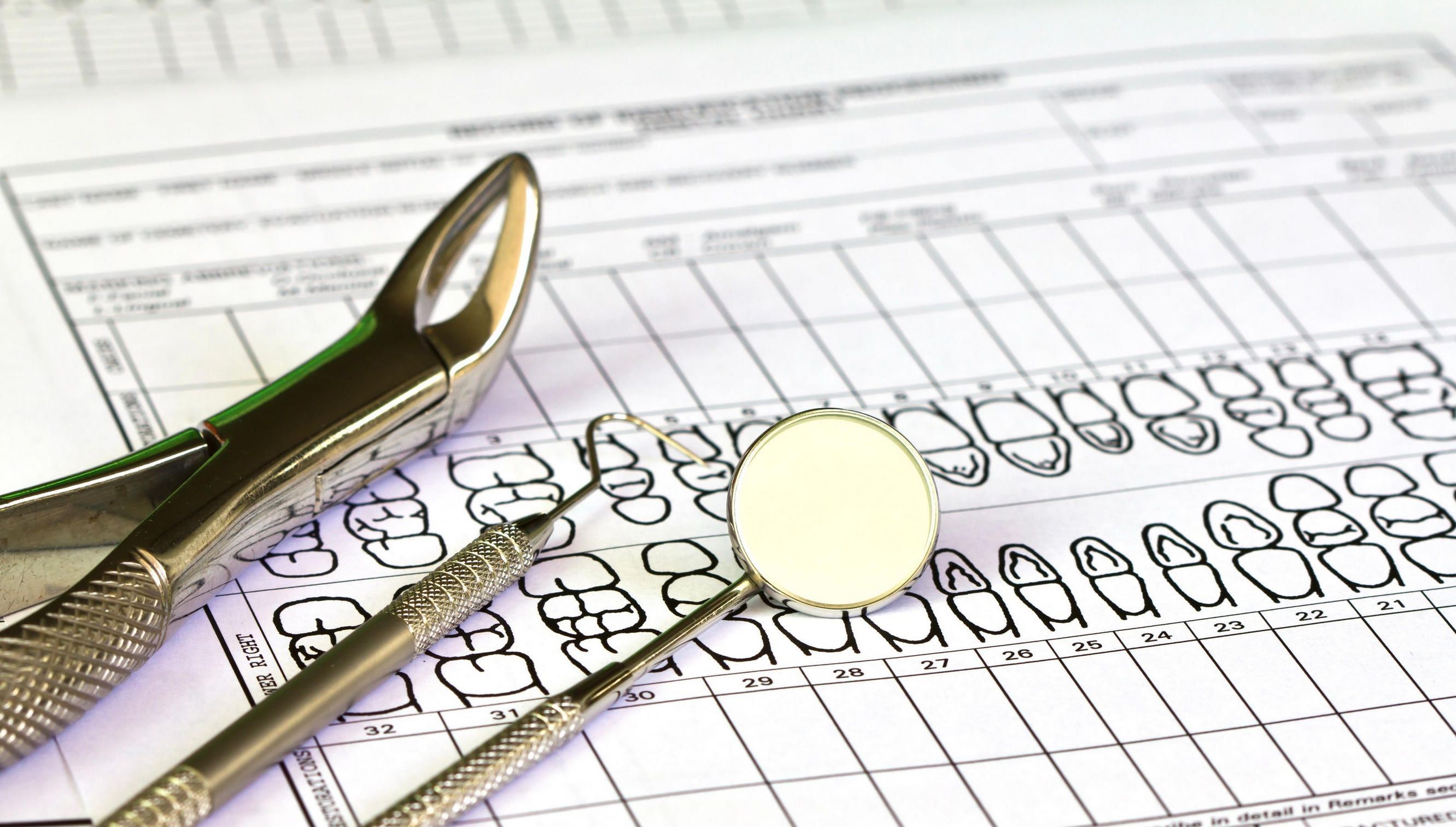
Patient Records and Electronic Health Records (EHR) integration is non-negotiable in a modern app for dentist. The platform should store and organize patient demographics, medical histories, treatment plans, progress notes, radiographic data, and scan results in one secure location. With HIPAA amendments requiring multi-factor authentication and stricter data controls, as noted by Mordor Intelligence, your app for dentist must be built with security at its core — not bolted on as an afterthought.
Insurance Verification and Claims Processing eliminates one of the biggest administrative headaches in dentistry. A strong app for dentist checks coverage in real time, auto-verifies eligibility before the patient arrives, and submits claims electronically to minimize denials. With roughly 15% of dental claims being denied, as reported by CertifyHealth, automated claim processing is not a luxury — it is a financial survival tool.
Billing and Payment Collection features within an app for dentist should support multiple payment methods, generate invoices, track outstanding balances, and send automated payment reminders. Text-based payment reminders, AutoPay enrollment, and upfront copay collection help practices maintain healthy cash flow without awkward conversations at the front desk.
Patient Communication Tools round out the core feature set. Two-way texting, secure messaging, post-visit follow-ups, and review request automation all strengthen the relationship between the practice and the patient. When patients feel connected to their dental provider through a responsive app for dentist, they are far more likely to return for follow-ups and recommend the practice to friends and family.
"I told my dentist I wanted a crown. He said, 'Great, so do I — let's start with a good scheduling app.'" — Overheard at a dental conference
How AI Is Transforming the App for Dentist Landscape
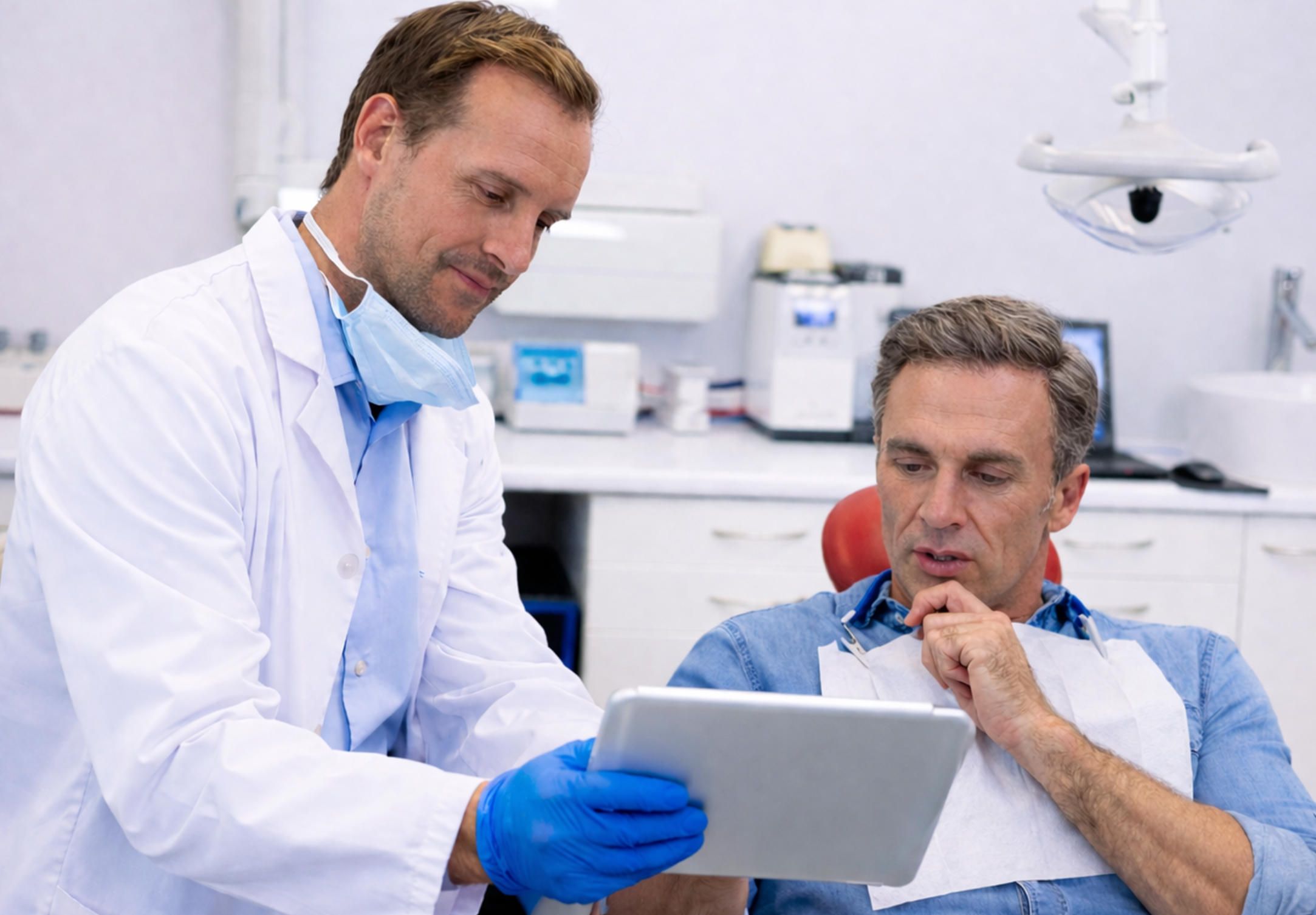
Artificial intelligence is no longer a futuristic concept in dentistry. It is a present-day reality reshaping how dental professionals diagnose, treat, and manage patient care. In December 2024, the American Dental Association made a strategic investment in Pearl, a dental AI platform, signaling the profession's commitment to supporting technologies that enhance diagnostic accuracy and patient communication, as reported by InsightAce Analytic.
The AI in dentistry market was valued at USD 421 million in 2024 and is projected to reach over USD 3.1 billion by 2034, growing at a remarkable 22.3% annually. For an app for dentist, AI integration opens up capabilities that were unthinkable just a few years ago.
AI-Powered X-Ray Analysis is one of the most impactful applications. Platforms like Overjet and Pearl's Second Opinion use AI to detect caries, bone loss, and periodontal conditions in dental radiographs in real time. These tools act as a second pair of eyes, improving diagnostic consistency and helping dentists explain findings more clearly to patients. VideaHealth released its Caries 3.0 detection model in January 2025, offering highly advanced cavity detection capabilities available to dental professionals.
Smart Scheduling and Predictive Analytics within an app for dentist can identify patients at high risk of no-shows based on historical attendance data, lead time, visit type, and payer information. Instead of sending the same generic reminder to everyone, AI enables targeted outreach that has been shown to outperform blanket reminder strategies.
Automated Clinical Documentation powered by AI helps reduce the charting burden on dentists. AI-assisted note summarization tools can turn voice notes or brief inputs into structured treatment records, saving time and improving accuracy.
Remote Patient Monitoring through platforms like DentalMonitoring allows patients to submit intraoral photos via smartphone. AI evaluates these images for changes in treatment progress — particularly useful for orthodontic cases — reducing unnecessary office visits and improving patient compliance.
A forward-thinking app for dentist should be built with AI integration points from the start, even if the practice does not plan to use every capability immediately. As Jotform's dental app review notes, digital tools in dentistry are no longer optional for practices that want to retain patients and stay competitive.
Off-the-Shelf vs. Custom: Choosing the Right App for Dentist
When it comes to selecting an app for dentist, practices face a fundamental choice: adopt an off-the-shelf solution or invest in a custom-built platform. Both paths have merit, and the right answer depends on the size, complexity, and ambitions of your practice.
Off-the-shelf dental software platforms like Dentrix, Eaglesoft, Open Dental, and Curve Dental have served the industry for years. Dentrix, developed by Henry Schein, is one of the most recognized names in dental practice management, offering scheduling, charting, billing, and patient communication in a single system. Open Dental appeals to practices that want flexibility and full data ownership through its open-source model. Curve Dental provides a cloud-native experience that eliminates the need for local servers and manual backups.
These solutions work well for practices with standard workflows. However, they come with limitations. Most off-the-shelf platforms follow a one-size-fits-all approach. They may not support the specific workflows your practice relies on, they often lock you into proprietary ecosystems, and customization options are limited to what the vendor decides to offer. For a single-location general dentistry practice with a straightforward workflow, a pre-built app for dentist might be sufficient.
But what if your needs are more complex? What if you run a multi-location dental group and need centralized scheduling, unified patient records, and cross-location analytics? What if you want to integrate AI diagnostic tools, custom patient loyalty programs, or a branded patient-facing mobile app that reflects your practice's identity? What if you need your app for dentist to connect with third-party imaging systems, lab management software, or marketing automation tools that no off-the-shelf solution supports natively?
This is where custom development makes a decisive difference. A custom app for dentist is built around your practice — not the other way around. It scales with you, integrates with whatever systems you need, and gives you full ownership of your data and intellectual property.
Why A-Bots.com Is the Right Partner for Your Custom App for Dentist
Building a custom app for dentist requires more than coding skills. It demands a team that understands healthcare compliance, user experience design, data security, and the practical realities of how dental offices operate. A-Bots.com brings all of this together under one roof.
Our full-cycle development process covers everything from initial strategy and product definition through design, development, testing, deployment, and ongoing support. We have built mobile applications for controlling IoT devices like the Shark robot vacuum, CRM systems for car dealerships with Telegram bot integrations, cross-platform e-commerce platforms aggregating over 12,000 brands, and nonprofit platforms serving refugees across multiple languages. Each of these projects demanded the same discipline and attention to detail that a healthcare app for dentist requires.
Here is what sets A-Bots.com apart when building your app for dentist. First, we specialize in cross-platform mobile development using React Native and Flutter, which means your dental app works seamlessly on both iOS and Android from a single codebase — cutting development time and cost without sacrificing quality. Second, our backend engineering team works with Node.js, Python, and Django to build scalable, secure server-side architectures that handle everything from appointment scheduling to HIPAA-compliant data storage. Third, we have extensive experience with chatbot and AI agent development, which means we can integrate intelligent virtual assistants directly into your app for dentist — handling appointment bookings, answering common patient questions, and sending personalized reminders without human intervention.
Our QA testing services also extend beyond our own builds. If you already have a dental app built by another team and need an independent assessment of its performance, security, and usability, A-Bots.com can conduct thorough testing and deliver actionable recommendations. We test both custom builds and existing third-party applications with the same rigor.
Ninety-eight percent of the experts, C-level executives, and companies we have worked with recommend A-Bots.com. Most of our clients have been working with us for at least 1.5 years, and several relationships span more than 5 years. That kind of long-term trust is earned — and it is exactly what you need from a partner building software that will handle sensitive patient data.

Dental App Solutions for Every Practice Size
One of the most common misconceptions about custom dental software is that it is only for large dental chains. In reality, a custom app for dentist can be tailored to any scale.
Solo Practices and Small Clinics often struggle with the overhead of managing appointments, patient follow-ups, and billing with limited staff. A streamlined app for dentist designed for a solo practitioner can automate appointment reminders, digitize patient intake forms, enable online booking, and provide simple reporting dashboards — all without the complexity and cost of enterprise-level platforms. For a small practice, even a lightweight custom solution can free up hours of administrative work each week, allowing the dentist and a small team to focus on clinical care.
Mid-Size Practices with Multiple Providers face coordination challenges that off-the-shelf tools sometimes fail to address. When three or four dentists share a practice, the app for dentist needs to manage multi-provider calendars, track chair utilization across operatories, and provide each provider with their own performance metrics. Custom development ensures that these workflows are built in from the start rather than patched together with workarounds.
Dental Support Organizations and Multi-Location Networks represent the most complex use case. DSOs need a centralized app for dentist that provides real-time visibility across all locations — unified scheduling, cross-location patient records, consolidated billing and revenue cycle management, and enterprise-level analytics. The trend toward DSO consolidation is accelerating, with 27% of early-career dentists now affiliated with a DSO according to ADA data. These organizations require custom-built platforms that no single off-the-shelf product can fully satisfy.
Specialty Practices — orthodontics, pediatric dentistry, oral surgery, periodontics — each have unique workflow requirements. An orthodontic app for dentist might prioritize treatment progress tracking and remote monitoring integrations, while an oral surgery practice might need more robust medical history management and sedation protocol documentation. Custom development addresses these nuances without forcing a specialty practice to adapt to a generic tool.
A-Bots.com works with practices of all sizes. We begin every engagement with a strategy and product definition phase where we map your specific requirements, identify the right technology approach, and build a realistic roadmap. Whether you need a minimum viable product to test the waters or a comprehensive platform to run an entire dental network, we scale the solution to match your goals and budget.
Key Trends Shaping the App for Dentist Market in 2026
Several major trends are driving the evolution of dental practice software and shaping what the ideal app for dentist looks like this year.
Cloud-First Architecture is now the dominant deployment model. According to GM Insights, the cloud-based segment of dental practice management software is growing at a CAGR of 10.9%, faster than any other deployment mode. Cloud solutions offer scalability, remote access, automatic updates, and reduced IT maintenance. For practices with multiple locations, a cloud-based app for dentist is essential for keeping data synchronized and accessible from any device.
Teledentistry Integration has matured significantly. Teledentistry visits grew from fewer than 50,000 in 2019 to 4.1 million in 2024, with payers now reimbursing virtual assessments at 85% of the in-office rate, according to Mordor Intelligence. A modern app for dentist should include or integrate with teledentistry capabilities, allowing patients to consult with their dentist remotely for initial assessments, follow-ups, and non-emergency consultations.
Patient-Centric Design is becoming a competitive differentiator. Patients increasingly expect the same digital convenience from their dental provider that they get from banking, shopping, and food delivery apps. An app for dentist with a polished, intuitive patient-facing interface — complete with online booking, secure messaging, digital intake forms, and easy payment options — creates a stronger first impression and builds long-term loyalty.
Interoperability and Data Standards are gaining importance as dental practices integrate more deeply with the broader healthcare ecosystem. The push toward SNODENT-coded claims and interoperability with medical EHR systems means that an app for dentist must be built with open API architecture and support for emerging data exchange standards. Practices that invest in interoperable systems now will avoid costly migrations later.
Cybersecurity as a Core Requirement cannot be overstated. Dental data breaches exposed 1.2 million records in 2024, with average HIPAA settlements reaching $475,000, as reported by the U.S. Department of Health and Human Services. EU GDPR fines can reach 4% of global turnover. Any app for dentist must incorporate end-to-end encryption, multi-factor authentication, role-based access controls, and comprehensive audit logging from day one.
"My dentist's office still uses a fax machine. I asked if they also accept payment in seashells." — A patient review, probably
The Real Cost of Not Having an App for Dentist
The cost of inaction is often higher than the cost of building a solution. Let us look at the numbers.
Dental practices with no automated reminder system experience no-show rates that can climb to 30% or beyond. At an average production value of $200 to $400 per appointment, a practice seeing 20 patients per day with a 15% no-show rate loses 3 appointments daily. That translates to roughly $600 to $1,200 per day in lost revenue — or $150,000 to $300,000 per year per provider. The industry data is consistent: practices that implement automated reminders through an app for dentist recover tens of thousands of dollars annually in production that would otherwise vanish.
Administrative labor is another hidden drain. Front desk staff spending 15 to 30 minutes per patient on manual scheduling, confirmation calls, and insurance verification tasks cannot also focus on patient engagement, marketing, or other high-value activities. An app for dentist with automation capabilities can reduce administrative workload by 25 hours per week, according to estimates from multiple dental software providers.
Then there is patient retention. Top-performing practices achieve cancellation rates of 8 to 9% and successfully fill 85 to 90% of cancelled appointments through waitlist management. Practices without these digital capabilities struggle to maintain full schedules and lose patients to competitors that offer a more convenient experience.
The return on investment for a custom app for dentist typically materializes within the first year. Practices implementing comprehensive digital management systems report revenue increases of 10 to 12% and payback periods averaging six months.
How to Get Started with A-Bots.com
Building your app for dentist with A-Bots.com follows a clear, proven process.
Step 1: Discovery and Strategy. We start with a detailed conversation about your practice — how many locations you have, what software you currently use, what your biggest pain points are, and where you see your practice in three to five years. Our business experts translate this into a product definition and a technical roadmap.
Step 2: Design and Prototyping. Our design team creates wireframes and interactive prototypes that let you see and interact with the app for dentist before a single line of production code is written. This phase is where we align on user flows, visual design, and the overall patient and staff experience.
Step 3: Development and Integration. Our engineering team builds the application using React Native or Flutter for mobile, Node.js or Django for the backend, and secure cloud infrastructure for data storage. We integrate with your existing systems — practice management software, imaging tools, payment processors, insurance verification APIs — to create a seamless ecosystem.
Step 4: QA Testing and Compliance. Every app for dentist we build goes through rigorous testing — functional, security, performance, and usability testing. We verify HIPAA compliance, data encryption standards, and accessibility requirements before launch.
Step 5: Launch and Ongoing Support. We deploy the app to the iOS and Android stores, train your staff, and provide ongoing support and updates. As your practice grows or regulations change, we evolve the app for dentist alongside your business.
If you already have a dental app that was built by another development team and you suspect it has performance issues, security vulnerabilities, or usability problems, A-Bots.com can also help. Our QA testing services cover both applications we have built and those developed by third parties. We deliver detailed reports with prioritized recommendations so you know exactly what needs to be fixed and why.
"I asked my developer how long it would take to build my dental app. He said, 'About as long as a root canal — but much less painful.'" — A satisfied A-Bots.com client
Choosing the Right App for Dentist: A Practical Checklist
Before you commit to any solution — off-the-shelf or custom — here is a practical checklist to guide your evaluation of any app for dentist.
Does the app support HIPAA-compliant data storage and transmission? Without this, nothing else matters. Does it offer online scheduling that patients can access 24/7 from any device? In 2026, phone-only booking is a competitive disadvantage. Does the app for dentist include automated multi-channel reminders via text, email, and push notifications? Single-channel reminders are better than nothing, but a layered approach delivers far better results.
Can the app integrate with your existing practice management system? Seamless PMS integration prevents double-entry and scheduling errors. Does it support insurance verification and electronic claims submission? Manual insurance processing is one of the most expensive administrative bottlenecks in any dental practice. Does the app for dentist provide reporting and analytics dashboards? You cannot improve what you do not measure.
Is the platform cloud-based with remote access capabilities? Cloud-first design offers flexibility, automatic backups, and multi-location support. Does the vendor or development team offer ongoing support and updates? Dental technology regulations and patient expectations evolve constantly, and your app for dentist must evolve with them. Can the platform scale from a single practice to multiple locations without a complete rebuild? Scalability should be a design principle, not an afterthought.
Finally, does the app for dentist align with your practice's brand identity and patient experience goals? A generic interface that looks like every other dental app will not help you stand out. A custom-built solution from A-Bots.com gives you full control over the look, feel, and functionality of the platform your patients and staff interact with every day.
Final Thoughts: Your Practice Deserves More Than a Generic App for Dentist
The dental industry is at an inflection point. The market for dental practice management software is growing at double-digit rates. AI is transforming diagnostics and patient communication. Patients expect digital convenience. DSOs are consolidating. Cybersecurity requirements are tightening. In this environment, settling for a one-size-fits-all app for dentist means accepting the limitations someone else designed into their product.
A-Bots.com exists to help businesses build custom software that matches their actual needs — not the other way around. We have the technology expertise across mobile, web, chatbot, and IoT development. We have the project management discipline honed across more than 70 successful projects. And we have the long-term commitment that our client retention rate reflects — most of our partnerships last years, not months.
Whether you need a streamlined mobile app for dentist for your solo practice, a multi-location management platform for your DSO, or an independent QA audit of your existing dental software, A-Bots.com is ready to help. Contact us at info@a-bots.com or visit a-bots.com to start the conversation. Your patients — and your bottom line — will thank you.
✅ Hashtags
#AppForDentist
#DentalPracticeManagement
#DentalAppDevelopment
#CustomDentalSoftware
#DentalTechSolutions
#DentistryApps
Other articles
OpenClaw without installation in 2026: Best Hosted Platforms, Hotel and Restaurant CRM Use Cases OpenClaw has become the fastest-growing open-source AI agent framework of 2026, surpassing 163,000 GitHub stars and powering autonomous workflows across industries. This expert guide reviews the top hosted platforms — OpenClawCloud, Amazon Lightsail, ArkClaw by ByteDance, and DigitalOcean — that let businesses test OpenClaw without complex installation. The article explores practical applications of OpenClaw for hotel and restaurant CRM data analysis, from guest behavior prediction and revenue optimization to menu intelligence and churn prevention. It also explains why production-grade deployments demand custom development, and how A-Bots.com delivers tailored AI agent solutions with proven expertise across 70+ projects.
Drone Detection 2026: Expert Guide to Modern Methods for Middle East This comprehensive guide examines every major drone detection method available in 2026, with a specific focus on detecting fixed-wing attack drones threatening the Middle East and Persian Gulf countries. From radar and acoustic sensor networks to 5G cellular detection and aerostat surveillance walls, the article provides detailed technical specifications, coverage ranges, real-world performance data, and deployment considerations for Saudi Arabia, the UAE, Qatar, Bahrain, Kuwait, and other regional nations. Based on current conflict data and expert analysis from CSIS, Carnegie Endowment, and defense industry sources, this is an essential resource for anyone seeking to understand modern drone detection technology.
Elderly Care App Development 2026: Features, Tech Stack & Market Trends The global population aged 60 and over will reach 1.4 billion by 2030, driving unprecedented demand for digital elderly care solutions. This article examines the technical and design requirements behind elderly care app development, covering core features such as medication management, fall detection, telehealth integration, and AI-driven predictive health monitoring. It explores the challenges of designing for senior users, building reliable offline-first architecture, integrating IoT wearables and smart home devices, and navigating HIPAA and GDPR compliance. With the elderly care apps market projected to reach $16.87 billion by 2033, the article outlines what development teams and healthcare organizations need to know to build apps that genuinely serve an aging population.
Custom Branded App for Veterinary Clinic | Build and Scale Your Practice The veterinary software market is projected to exceed $3 billion by 2030, and clinics without mobile tools risk losing clients to digitally equipped competitors. This guide explains how a custom branded app for veterinary clinic operations improves client retention, reduces no-show rates by up to 65%, and opens new revenue streams through telemedicine. It covers essential features including online appointment scheduling, automated reminders, electronic medical records, secure messaging, and in-app payments. The article compares custom development against generic off-the-shelf platforms, presents market data from Grand View Research, APPA, and Mordor Intelligence, and shows how A-Bots.com builds scalable solutions for practices ranging from a single clinic to a multi-location veterinary network.
App for Window Cleaning Company | Custom Software Guide for New York 2026 Managing a window cleaning company requires coordinating field crews, tracking safety certifications, handling client relationships, and processing payments across dozens of job sites every week. This guide explores every essential feature of a purpose-built app for window cleaning company operations, from CRM and smart scheduling to OSHA compliance tracking and AI-powered route optimization. Using real market data from Fortune Business Insights and MarketsandMarkets, alongside a detailed look at how established NYC operator Big Apple Window Cleaning manages complex high-rise operations, the article demonstrates why custom software built by A-Bots.com outperforms generic off-the-shelf field service tools.
App for Dentist: Custom Dental Practice Software Guide 2026 Dental practices in 2026 face mounting operational challenges — staffing shortages, rising no-show rates, insurance claim denials, and growing patient expectations for digital convenience. A purpose-built app for dentist addresses these pain points by automating appointment scheduling, sending multi-channel reminders, streamlining billing, and integrating AI-powered diagnostics. The global dental practice management software market is projected to exceed USD 6.7 billion by 2033, reflecting rapid adoption across solo clinics, multi-provider practices, and dental support organizations. This guide covers essential features, market trends, AI capabilities, and the advantages of choosing custom development with A-Bots.com over generic off-the-shelf platforms.
Top stories

Copyright © Alpha Systems LTD All rights reserved.
Made with ❤️ by A-BOTS