
Home
Services
About us
Blog
Contacts
Milwaukee App Development: Powering Innovation in America's Manufacturing Heart
Milwaukee stands as a testament to American industrial ingenuity, where traditional manufacturing meets cutting-edge digital innovation. As the city continues to evolve, mobile applications have become essential tools for businesses ranging from craft breweries to water technology startups. A-Bots.com specializes in Milwaukee app development, creating custom mobile solutions that address the unique challenges faced by Milwaukee's diverse industries, from food production logistics to IoT-enabled water monitoring systems.

With over 70 completed projects spanning multiple continents, A-Bots.com brings proven expertise in Milwaukee app development to companies seeking competitive advantages through mobile technology. Our team understands that Milwaukee businesses don't need generic solutions – they need applications built specifically for their operational realities, whether that's managing craft beer inventory during Summerfest or coordinating water quality testing across Lake Michigan facilities. Milwaukee app development requires industry-specific knowledge combined with technical excellence.
Mobile app development in Milwaukee requires more than technical proficiency; it demands an understanding of local industry ecosystems. A-Bots.com works closely with Milwaukee businesses to develop applications that integrate seamlessly with existing workflows, from warehouse management systems in Menomonee Valley to quality control databases in food processing facilities. Our Milwaukee app development process emphasizes practical functionality over flashy features, ensuring that every app delivers measurable value to its users.
Beyond custom development, A-Bots.com provides comprehensive testing services for existing applications. Many Milwaukee companies have inherited legacy apps that require optimization, security updates, or compatibility improvements. Our testing protocols identify vulnerabilities, performance bottlenecks, and user experience issues before they impact business operations. Whether building from scratch or refining an existing solution, A-Bots.com serves as a technical partner committed to long-term success.

The Milwaukee App Development Ecosystem: Where Innovation Meets Manufacturing
Milwaukee's mobile app development landscape reflects the city's dual identity as both a manufacturing powerhouse and an emerging tech hub. The Milwaukee 7 region houses over 150 water-related companies and more than 3,700 food and beverage businesses, creating substantial demand for specialized mobile solutions. According to Market Research Future, the global mobile app development market reached $94.4 billion in 2024 and is projected to grow at a compound annual growth rate of 22.9% through 2032, hitting $399.8 billion by decade's end.
This explosive growth isn't limited to consumer apps – enterprise and industrial applications represent the fastest-growing segment. Milwaukee businesses increasingly recognize that mobile apps can solve problems that desktop software never could. A production manager can't check factory equipment status from a laptop while walking the floor, but a well-designed mobile app makes this trivial. Similarly, water quality inspectors need real-time data access at remote testing sites, not back at headquarters. Milwaukee app development companies that understand these industrial use cases deliver superior value.
The Wisconsin Economic Development Corporation reports that Milwaukee app development has become a critical component of the region's economic strategy, with the Milwaukee Tech Hub Coalition investing $25 million specifically to foster innovation and attract technical talent. This investment reflects a broader recognition that Milwaukee's future depends on successfully integrating digital capabilities with its manufacturing heritage.
Grand View Research data indicates that North America accounts for the largest share of the mobile application market, with the U.S. specifically projected to grow at a CAGR of 14.1% from 2024 to 2030. Milwaukee finds itself at the intersection of this growth, with unique opportunities to develop niche applications that serve industries where the city maintains competitive advantages. Unlike oversaturated markets in Silicon Valley or New York, Milwaukee app development focuses on solving real industrial challenges rather than chasing the latest consumer trends.

Food & Beverage Manufacturing: Mobile Apps Transforming Milwaukee's Kitchens and Breweries
Milwaukee's food and beverage sector employs nearly 15,000 people across more than 250 manufacturing companies, generating over $10 billion in annual revenue. Yet many of these businesses still rely on paper checklists, spreadsheet inventory tracking, and manual quality control processes. The opportunity for Milwaukee app development in this sector is enormous, particularly for applications that address food safety compliance, supply chain optimization, and direct-to-consumer sales.
Consider the daily challenges faced by a Milwaukee brewery like Lakefront or a food manufacturer like Palermo's Pizza. Production managers must track raw material inventory across multiple suppliers, ensure that all equipment maintenance schedules are current, coordinate delivery logistics to dozens of retail locations, and maintain detailed records for FDA compliance. Milwaukee app development specialists can consolidate these functions into a single platform accessible from anywhere on the facility floor.
The food processing market is estimated to reach $186.4 billion by 2027, growing at a 6.2% CAGR, according to industry research cited by Solopoint Solutions. Wisconsin leads the nation as the number one producer of food product machinery manufacturing, with Milwaukee serving as a major hub. This creates unique opportunities for Milwaukee app development focused on equipment monitoring, preventive maintenance scheduling, and production line optimization.
Mobile apps designed for Milwaukee's food and beverage sector must address specific regulatory requirements. The FDA's Food Safety Modernization Act demands detailed record-keeping and traceability throughout the supply chain. A well-designed Milwaukee app development solution can automate this compliance burden, using QR codes to track ingredients from supplier to finished product, generating required reports automatically, and flagging potential contamination risks before they become crises. These specialized Milwaukee app development capabilities distinguish professional solutions from generic software.
Local examples illustrate the potential. Goodie Bag Food Co., a Milwaukee startup connecting restaurants with consumers to offer surplus food at discounts, launched in October 2023 and quickly expanded to over 40 business partners. Their mobile-first approach demonstrates how apps can address both operational efficiency and sustainability goals – reducing food waste while generating additional revenue from products that would otherwise be discarded.

For companies producing specialty foods – from Sargento's cheese to Sendik's prepared meals – mobile apps offer opportunities to build direct relationships with consumers. Loyalty programs, recipe suggestions based on purchase history, and personalized promotions all become possible through well-designed mobile interfaces. These aren't just nice-to-have features; in an increasingly competitive market, direct consumer engagement often determines which brands thrive and which merely survive.
Milwaukee app development for food and beverage companies also needs to solve the "last mile" challenge. Even companies focused primarily on wholesale distribution increasingly find themselves managing delivery logistics, particularly as COVID-19 permanently shifted consumer expectations toward direct delivery. Mobile apps that optimize delivery routes, provide real-time tracking to customers, and allow drivers to collect digital signatures can transform what was once a cost center into a competitive advantage.

The integration of IoT sensors with mobile apps represents another frontier. Imagine a Milwaukee brewery where every fermentation tank includes temperature and pressure sensors connected to a mobile monitoring system. Brewmasters receive instant alerts if any parameter drifts outside acceptable ranges, preventing batch spoilage and ensuring consistent quality. This isn't futuristic speculation – the technology exists today and becomes more affordable every year. What's needed is Milwaukee app development expertise to make these systems practical and user-friendly for working brewers.

Water Technology and IoT: Smart Solutions for Milwaukee's Liquid Gold
Milwaukee's emergence as a global water technology hub creates exceptional opportunities for specialized Milwaukee app development. The Water Council, headquartered at the Global Water Center near downtown Milwaukee, has positioned the city as "Where Water Works" – a concentration of over 150 water-related companies ranging from giants like A.O. Smith and Badger Meter to innovative startups developing next-generation monitoring technologies.
The Milwaukee region's water industry represents a $10.5 billion market supporting 20,000 jobs and accounting for 4% of the total world water business. This isn't just about traditional utilities – it's about smart sensors, IoT networks, predictive analytics, and mobile interfaces that bring sophisticated water management capabilities to users worldwide. Mobile apps serve as the critical link between complex sensor networks and the humans who need to interpret and act on that data.
Consider the challenge facing a municipal water utility manager in Milwaukee. They're responsible for monitoring water quality across hundreds of miles of distribution pipes, tracking consumption patterns in real-time, identifying potential leaks before they become emergencies, and ensuring regulatory compliance with dozens of federal and state standards. Desktop dashboards help, but mobile apps enable truly proactive management. An inspector in the field can pull up complete testing history for a specific location, log new measurements instantly, and receive automatic alerts if results fall outside acceptable parameters.
The Water Council's BREW 2.0 accelerator program, which selects cutting-edge water technology startups for intensive development support, has featured numerous companies whose innovations depend on mobile app interfaces. Capta Hydro offers integrated hardware and software IoT solutions for water distribution management. Varuna provides sensors and cloud-based software for real-time monitoring. These companies succeed or fail based on the quality of their mobile user experience – sensors mean nothing if users can't access and understand the data they generate.

Milwaukee app development for water technology must address unique technical challenges. IoT sensors often operate in harsh environments – buried underground, submerged in water, or exposed to industrial chemicals. Mobile apps need to handle intermittent connectivity gracefully, storing data locally when network access is unavailable and syncing automatically when connections resume. Battery life becomes critical when sensors operate in locations where frequent maintenance isn't practical. These considerations require experienced Milwaukee app development expertise.
The tech challenge competitions hosted by The Water Council illustrate the innovation occurring at the intersection of water technology and mobile apps. Recent challenges have focused on water quality sensors for hardness, scale and biofilm monitoring in pipe networks, as well as sensors for phosphate, ammonia and other nutrients. Winners receive not just prize money but access to R&D resources from sponsors like A.O. Smith Corporation, Badger Meter, and Watts Water Technologies. These partnerships often result in mobile apps that bring laboratory-grade monitoring capabilities to field technicians.
Real-world implementation matters more than theoretical possibilities. The Milwaukee Metropolitan Sewerage District operates treatment plants that serve millions of people. Their adoption of pilot programs for testing new water technologies – often controlled and monitored via mobile apps – provides valuable proof-of-concept for innovations before they reach broader markets. This practical testing environment makes Milwaukee unique among water technology hubs; startups can deploy their solutions in real-world conditions with meaningful support.

The convergence of water technology and mobile apps extends beyond municipal utilities. Industrial manufacturers in Milwaukee's Menomonee Valley use tremendous quantities of water in their production processes. A mobile app that optimizes water usage, identifies opportunities for recycling, and provides early warning of potential contamination can deliver both cost savings and environmental benefits. Similarly, agricultural operations in surrounding Wisconsin counties increasingly deploy IoT sensors to monitor soil moisture and irrigation effectiveness, with mobile dashboards giving farmers actionable insights.

Milwaukee's leadership in water technology creates opportunities for Milwaukee app development that extend far beyond local boundaries. Solutions proven in Milwaukee's Great Lakes environment find ready markets worldwide as water scarcity becomes an increasingly critical global challenge. Mobile apps developed in Milwaukee are monitoring water quality in developing nations, optimizing agricultural irrigation in drought-prone regions, and helping industries reduce their water footprint. This global reach transforms local expertise into international opportunity.
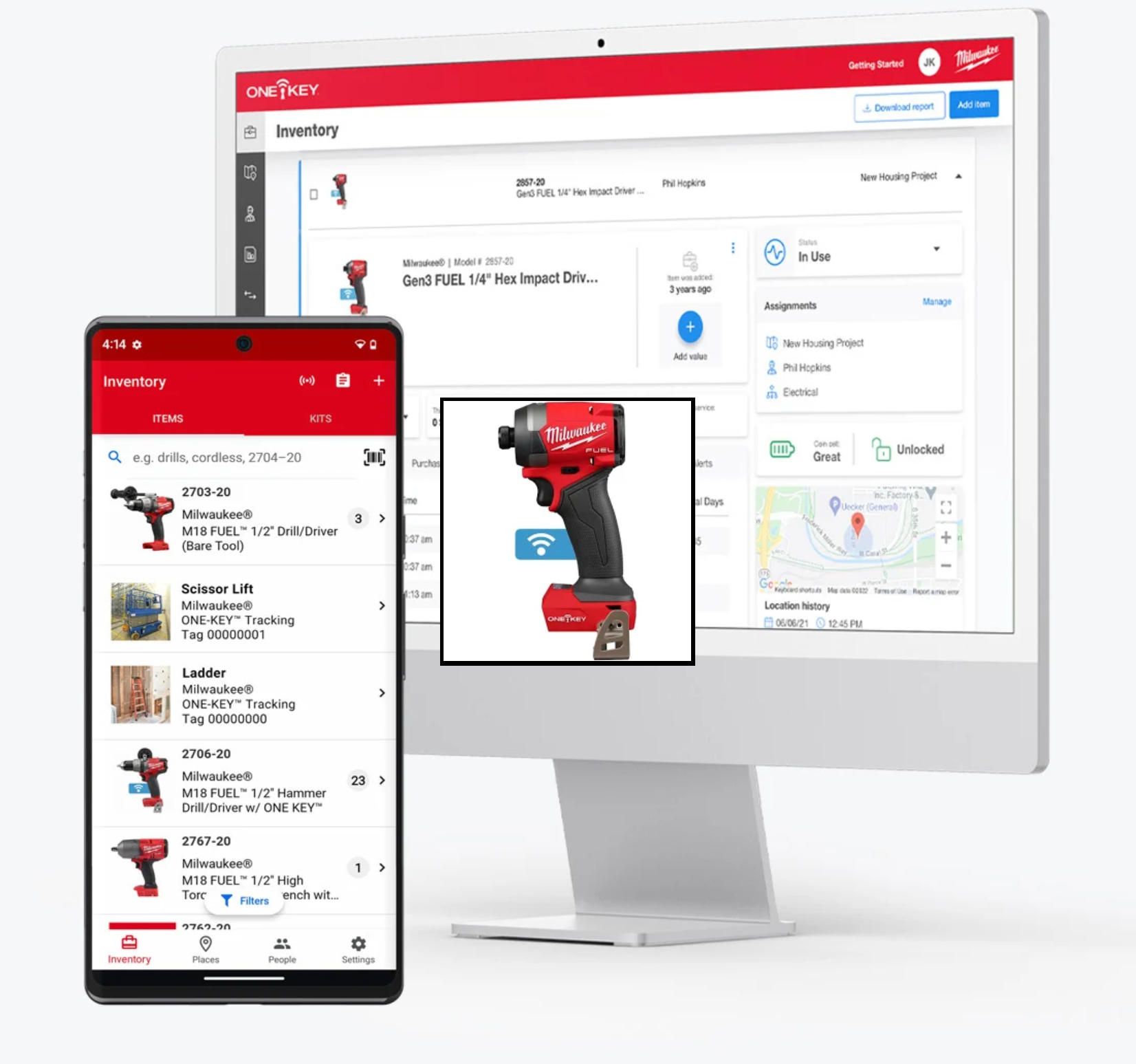
Milwaukee ONE-KEY App: The Digital Revolution in Tool Management
The milwaukee one key app represents one of the most sophisticated industrial applications ever deployed on mobile devices, demonstrating what's possible when traditional manufacturing expertise meets modern software development. Developed by Milwaukee Tool, the Brookfield-headquartered company that has defined professional-grade power tools since 1924, the milwaukee one key app transforms how construction professionals, manufacturers, and tradespeople manage their equipment.
At its core, the milwaukee one key app solves a problem that costs the construction industry billions annually: tool theft and loss. The Bureau of Labor Statistics estimates construction equipment theft alone exceeds $1 billion yearly in the United States, with hand tools and power tools adding substantially to that figure. The milwaukee one key app addresses this through integrated Bluetooth tracking that lets users know the last location any ONE-KEY enabled tool was detected, creating a crowd-sourced network where any user's app automatically logs nearby tools reported as missing.
The milwaukee one key app goes far beyond simple GPS tracking – which wouldn't work anyway for tools used inside buildings or underground. Instead, the milwaukee one key app uses Bluetooth Low Energy technology combined with a coin-cell battery that provides over a year of operation even when the main tool battery is removed. This means a stolen drill remains trackable even if thieves remove its battery pack. When the milwaukee one key app on any user's phone comes within 100 feet of a missing tool, it automatically logs that location and time, creating a trail that often leads to recovery.
But tracking represents just one dimension of what makes the milwaukee one key app revolutionary. The app provides remote tool lockout capabilities that render stolen equipment useless. Imagine a construction contractor whose tools are stolen from a job site. Within seconds of discovering the theft, they open the ONE-KEY app and remotely disable every missing tool. The next time those tools come within range of any phone running the ONE-KEY application, they receive the shutdown command and become permanently inoperable until the legitimate owner reactivates them. This feature doesn't just enable recovery – it eliminates the resale market for stolen tools, dramatically reducing theft incentives.

The customization capabilities within the milwaukee one key app demonstrate sophisticated understanding of how professionals actually work. Different fasteners and materials require different speed and torque settings. The app allows users to create custom profiles for specific applications – one setting for drywall screws, another for deck screws, a third for self-tapping metal screws. Once programmed, these settings sync directly to the tool's onboard memory, ensuring consistent results regardless of who's using the equipment. This functionality proves particularly valuable for training new workers or maintaining quality standards across large teams.
For companies managing tool inventories across multiple job sites, the milwaukee one key app provides enterprise-level management capabilities wrapped in a mobile interface. Users can assign specific tools to individual workers, vehicles, or locations. They can set up geofencing alerts that notify management if tools leave designated areas. They can schedule maintenance reminders based on runtime hours rather than calendar dates, ensuring equipment receives service when it actually needs it rather than on arbitrary schedules. The application even tracks tool usage patterns, identifying which equipment gets heavy use (and might need earlier replacement) versus which tools sit idle (suggesting potential excess inventory).
The milwaukee one key app's reporting capabilities transform how contractors document work and maintain compliance. For example, companies using ONE-KEY enabled Force Logic hydraulic crimping tools can generate instant reports proving that electrical connections were made to specification, with date, time, pressure, and cycle count all recorded automatically. These reports satisfy inspector requirements that previously demanded manual documentation, saving hours of paperwork while providing more reliable records. Similar reporting applies to ONE-KEY compatible torque wrenches, where the app logs every fastener tightened, the torque applied, and whether it met specifications.
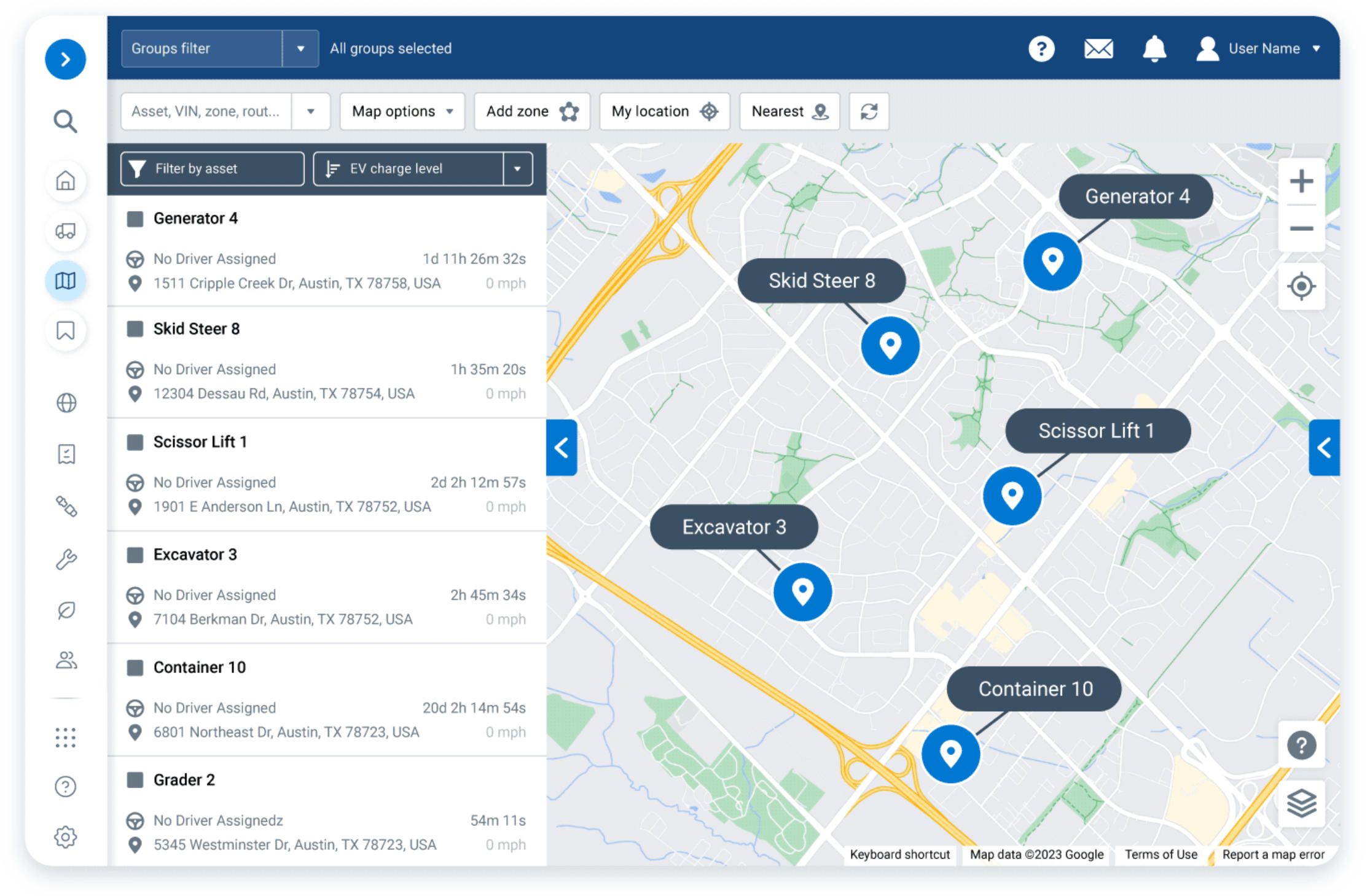
Battery management represents another practical advantage of the milwaukee one key app. The system tracks battery charge cycles, usage patterns, and performance degradation over time. Users receive alerts when batteries approach end-of-life, allowing proactive replacement before failures occur on critical jobs. For companies operating large tool fleets, this battery intelligence prevents unexpected downtime and optimizes replacement spending by identifying which batteries truly need replacement versus which have years of remaining life.
The milwaukee one key app demonstrates that industrial applications demand different design priorities than consumer apps. The interface prioritizes clarity and speed over visual flourishes. Critical functions remain accessible within one or two taps, recognizing that users often operate in challenging conditions – wearing gloves, in poor lighting, or while balancing on scaffolding. The app works offline when necessary, storing data locally and syncing automatically when connectivity resumes. This reliability matters enormously to professionals who can't afford apps that fail at critical moments.
Security features in the milwaukee one key app extend beyond physical tool protection. The platform supports multi-user access with granular permission controls. A company owner might grant full administrative access to project managers while giving field workers view-only access to tool locations and limited ability to check tools in and out. This hierarchical permission structure prevents accidental deletions or unauthorized changes while still providing needed transparency across the organization.
The milwaukee one key app also demonstrates the importance of ecosystem thinking in mobile app development. The system doesn't exist in isolation – it's part of a comprehensive platform that includes over 120 ONE-KEY enabled tools and devices spanning everything from hand drills to portable power stations. The app serves as the unified interface that makes this diverse equipment fleet manageable. Users don't need different apps for different tool categories; this single platform handles everything from compact drill drivers to heavy-duty demolition hammers.
Integration capabilities make the milwaukee one key app even more valuable for larger organizations. The platform can export data to construction management platforms, accounting systems, and asset management databases. This prevents the creation of data silos where valuable equipment information remains trapped in a mobile app, inaccessible to other business systems. The ability to pull usage reports, maintenance histories, and location data into enterprise systems enables more sophisticated analysis of total cost of ownership, equipment utilization rates, and optimal replacement timing.

Real-world adoption validates the milwaukee one key app's practical value. According to user reviews on both the Apple App Store and Google Play Store, the platform has over 4 million downloads combined, with thousands of five-star ratings from construction professionals, facility managers, and maintenance teams. Users particularly praise the reliability of tool tracking, the effectiveness of theft deterrence, and the time savings from automated inventory management. While some reviewers note limitations – particularly the wish that standard Milwaukee batteries included ONE-KEY capability – the overall sentiment indicates that this system delivers genuine value in demanding work environments.
The development of the milwaukee one key app required solving numerous technical challenges that don't appear in typical mobile applications. Bluetooth reliability across varying distances and through obstacles. Power management to extend battery life while maintaining responsive tracking. Data synchronization across thousands of users without creating network congestion. User interface design that works for tradespeople wearing heavy gloves. These challenges demanded extensive field testing and iterative refinement – precisely the kind of specialized Milwaukee app development expertise that separates functional enterprise apps from those that look good in demos but fail under real-world conditions.
Future Trajectories: AI, Predictive Analytics, and the Next Generation of Milwaukee Apps
The current state of Milwaukee app development represents just the beginning of what's possible as artificial intelligence, machine learning, and predictive analytics mature. The mobile applications dominating Milwaukee's industrial landscape in 2030 will make today's solutions seem primitive by comparison. Understanding these emerging trajectories helps businesses prepare for investments that will remain valuable rather than quickly obsolescent.
AI-powered predictive maintenance represents perhaps the most immediate opportunity. Rather than scheduling equipment service on fixed intervals or reacting to failures, future Milwaukee apps will predict when components actually need attention based on usage patterns, performance trends, and environmental conditions. A food processing facility's mobile app might warn that a specific motor bearing will likely fail within the next 72 hours based on vibration signatures, enabling planned replacement during scheduled downtime rather than emergency repairs during production.
Computer vision integration will transform quality control across Milwaukee industries. Imagine a brewery where workers use smartphones to photograph fermentation tank interiors, with AI instantly analyzing images to detect potential contamination or process inconsistencies. Or a water treatment facility where mobile devices scan pipe interiors during inspections, with algorithms identifying corrosion or scale buildup too subtle for human inspectors to notice. These capabilities already exist in research laboratories; the challenge is packaging them into mobile interfaces that working professionals can use effectively.
Natural language interfaces will make complex data more accessible. Instead of navigating through multiple screens to find specific metrics, users will simply ask questions: "What was the water pH at Station 7 yesterday afternoon?" or "Which food safety inspections are due this week?" Voice interfaces become particularly valuable in industrial environments where touching screens with dirty or gloved hands isn't practical. Milwaukee app development increasingly needs to accommodate voice interaction as a primary rather than supplementary interface mode.
The Internet of Things will continue expanding, creating demand for Milwaukee apps that manage ever-larger networks of connected devices. A single food manufacturing facility might eventually monitor thousands of sensors tracking everything from ambient temperature to equipment vibration to ingredient storage conditions. The mobile app becomes the command center where users configure alerts, investigate anomalies, and respond to problems. Designing interfaces that present this complexity in understandable ways without overwhelming users requires sophisticated Milwaukee app development expertise.

Augmented reality presents opportunities for training, maintenance, and quality assurance. A new employee learning to operate complex equipment could use an AR-enabled mobile app that overlays step-by-step instructions directly onto the machinery. A maintenance technician repairing a malfunctioning water pump could see exploded-view diagrams superimposed on the physical device, making disassembly and reassembly more intuitive. These aren't distant science fiction scenarios – the hardware and software exist today. What's needed is practical implementation that solves real problems rather than demonstrating cool technology.
Blockchain integration might seem like buzzword-chasing, but it offers genuine value for supply chain transparency and regulatory compliance. A Milwaukee food manufacturer could use blockchain-backed mobile apps to provide consumers with complete, verifiable product histories – which farm produced the milk, when it was processed, how it was transported, where it was stored. This level of transparency, accessible via a simple smartphone scan, builds consumer trust while simultaneously creating immutable records that satisfy regulatory requirements.
Edge computing will enable more sophisticated processing directly on mobile devices rather than requiring round-trips to cloud servers. This becomes critical for applications where split-second decisions matter or where network connectivity is unreliable. A water quality monitoring app that can identify potential contamination locally, using on-device AI models, provides faster alerts than one dependent on cloud analysis. Milwaukee app development increasingly needs to balance what processing happens locally versus remotely.
The convergence of mobile apps with other Milwaukee industries creates unexpected opportunities. Consider how the milwaukee one key app could integrate with project management platforms to automatically track which tools are on which job sites, or with accounting systems to depreciate tool values based on actual usage rather than age. These integrations transform standalone mobile apps into components of comprehensive business intelligence ecosystems.
Conclusion: Building Milwaukee's Digital Future
Milwaukee stands at an inflection point where traditional industrial strength meets digital innovation potential. The city's manufacturing heritage – from Harley-Davidson to Milwaukee Tool to Allen-Bradley – provides deep expertise in building reliable, professional-grade solutions. This same commitment to quality, applied to Milwaukee app development, creates opportunities to develop mobile applications that solve real industrial challenges rather than chasing ephemeral consumer trends.
A-Bots.com specializes in exactly this type of practical, value-driven Milwaukee app development. We don't build apps because mobile-first is trendy; we build them because they solve problems that couldn't be addressed any other way. Whether developing custom inventory management systems for breweries, IoT monitoring dashboards for water utilities, or quality control applications for food manufacturers, our focus remains on measurable business outcomes rather than technological showmanship.
The milwaukee one key app demonstrates what's achievable when developers truly understand user needs, technical constraints, and real-world operating conditions. That level of insight doesn't come from reading specifications; it comes from spending time in factories, talking with workers, understanding workflows, and iteratively refining solutions based on actual usage. A-Bots.com brings this same approach to every project, regardless of industry or scale.
For Milwaukee businesses considering mobile app development, the question isn't whether to invest but how to ensure that investment delivers value. The mobile app market's projected growth from $522.7 billion in 2024 to $673.8 billion by 2027 reflects real demand for solutions that improve efficiency, reduce costs, and enable new business models. Companies that deploy thoughtfully designed mobile applications gain competitive advantages that compound over time. Those that delay increasingly find themselves at a disadvantage.
Whether you operate a food manufacturing facility seeking better quality control, a water technology company needing intuitive IoT interfaces, or an industrial operation where tool management costs erode profitability, A-Bots.com offers Milwaukee app development expertise grounded in real-world results. Our portfolio spans custom application development, legacy app optimization, comprehensive testing protocols, and ongoing technical support. We serve as long-term partners in digital transformation, not just vendors delivering one-time projects.
Milwaukee's future depends on successfully merging its industrial heritage with digital capabilities. Mobile applications serve as the interface between physical operations and digital intelligence, between human expertise and algorithmic analysis, between legacy systems and modern capabilities. Done right, Milwaukee app development doesn't replace what works – it amplifies it, making good companies better and better companies exceptional.
The opportunities are substantial. The challenges are real. The companies that navigate this transition successfully will define Milwaukee's next chapter. A-Bots.com exists to ensure our clients number among those success stories, providing the Milwaukee app development expertise that transforms digital possibilities into operational realities.
FAQ
**Q: What is Milwaukee app development?**
A: Milwaukee app development refers to creating custom mobile applications for industries prominent in Milwaukee, Wisconsin, including food and beverage manufacturing, water technology, and industrial tool management.
**Q: What is the Milwaukee ONE-KEY app?**
A: The Milwaukee ONE-KEY app is an industrial tool management application developed by Milwaukee Tool that provides Bluetooth-based tracking, remote lockout, customizable performance profiles, and enterprise inventory management for construction equipment.
**Q: How much is the mobile app development market worth?**
A: The global mobile app development market reached $94.4 billion in 2024 and is projected to grow at a CAGR of 22.9% through 2032, reaching $399.8 billion.
**Q: What industries in Milwaukee need mobile apps?**
A: Key Milwaukee industries requiring mobile apps include food and beverage manufacturing ($10B market), water technology (150+ companies), and industrial manufacturing and tool management.
✅ Hashtags
#MilwaukeeAppDevelopment
#MilwaukeeTech
#WisconsinTechnology
#MilwaukeeONEKEY
#IndustrialApps
#ManufacturingTech
#MobileAppDevelopment
#IoTSolutions
#WaterTechnology
#FoodTechApps
#AppDevelopment
#SoftwareDevelopment
#TechStartups
#B2BSolutions
#DigitalTransformation
#IndustrialIoT
#SmartCities
#FoodAndBeverage
#ToolManagement
#MidwestTech
Other articles
Madison App Development | Custom Mobile Solutions by A-Bots Madison, Wisconsin has emerged as a dynamic technology ecosystem generating $3.5 billion in economic impact with over 24,000 tech jobs. This guide explores Madison mobile app development opportunities across healthtech, biotech, university research, and the rapidly growing startup scene. Discover how Epic Systems, Google, Microsoft, and innovative startups create diverse demands for custom mobile applications. A-Bots.com provides expert Madison app development services including iOS, Android, and cross-platform solutions, plus comprehensive testing and QA. Learn why Madison's unique combination of academic innovation, healthcare leadership, and emerging technologies demands specialized mobile development expertise.
App Development Boulder, Colorado for IoT and Smart Living Boulder, Colorado stands at the crossroads of nature and innovation — where outdoor living meets intelligent technology. This article explores how A-Bots.com supports Boulder’s ecosystem through IoT-driven mobile app development, sustainability platforms, and research partnerships that transform data, devices, and everyday life into one connected experience.
Denver Mobile App Development: Livestock Tech & Sports Apps Denver mobile app development targets unique market opportunities including the National Western Stock Show with 660,000 annual visitors generating $171 million economic impact, and altitude training applications leveraging the city's 5,280-foot elevation. Analysis covers existing solutions, market gaps, and custom development potential for livestock event management, athlete performance tracking, and specialized fitness applications serving Denver's distinctive geographic and economic characteristics.
App Development Nashville, TN: Healthcare Technology and Medical IoT Revolution Nashville, TN is rapidly becoming a powerhouse in healthcare innovation, blending its world-renowned medical ecosystem with next-generation mobile and IoT solutions. This article explores how custom app development is reshaping clinical workflows, patient monitoring, and connected medical devices across hospitals, start-ups, and health systems. From HIPAA-compliant architectures to medical IoT integrations, Nashville’s tech landscape is full of opportunities for companies seeking high-quality engineering talent. A-Bots.com brings deep expertise in building secure, scalable healthcare applications tailored to the needs of modern medical organizations.
Portland Parking App: Custom Development Solutions for Smart City Infrastructure Portland manages over 20,000 metered parking spaces generating $42.1 million annually, yet faces growing infrastructure challenges. While Parking Kitty serves as the city's official Portland parking app, opportunities exist for enhanced solutions integrating IoT sensors, predictive analytics, and event-specific management. A-Bots.com specializes in custom Portland app development for smart parking systems, delivering scalable solutions for municipalities and private operators. With the smart parking market projected to reach $33.82 billion by 2033, Portland's infrastructure demands comprehensive applications addressing Rose Festival crowds, downtown congestion, and real-time availability guidance that current solutions don't fully provide.
ParkChicago, SpotHero and Custom Parking App Development in Chicago Comprehensive analysis of Chicago's parking application ecosystem, examining ParkChicago's official municipal system managing 36,000 metered spaces and SpotHero's commercial reservation platform serving 300+ cities. Explores custom mobile app development opportunities for parking operators, event venues, and municipalities seeking smart parking solutions. Covers technical architecture including IoT sensor integration, payment processing, license plate recognition, and dynamic pricing algorithms. Analyzes the $587 million U.S. parking meter apps market projected through 2035. Details A-Bots.com's capabilities in developing and testing parking applications for diverse stakeholders from single facilities to citywide networks.
Top stories

Copyright © Alpha Systems LTD All rights reserved.
Made with ❤️ by A-BOTS