
Home
Services
About us
Blog
Contacts
Portland Parking App: Custom Development Solutions for Smart City Infrastructure
A-Bots.com specializes in custom mobile application development for smart city infrastructure, with particular expertise in parking management systems. Our Portland-based development team creates scalable solutions that integrate IoT sensors, payment processing, and real-time occupancy tracking. We deliver both iOS and Android applications designed for municipal deployment and private parking operators, ensuring seamless integration with existing infrastructure.
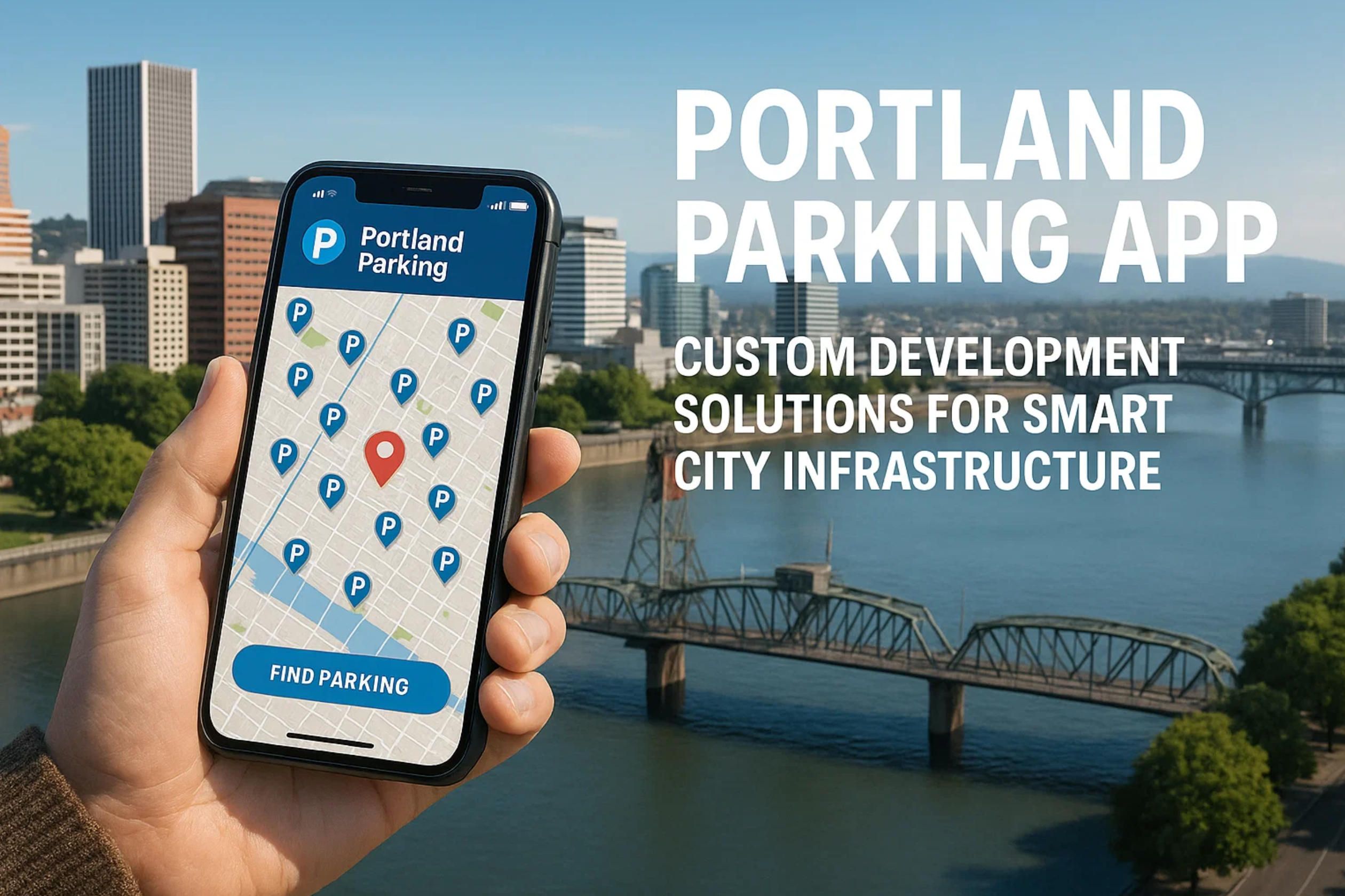
With over 70 completed projects spanning mobile development, IoT integration, and smart city solutions, A-Bots.com brings proven expertise to Portland's parking challenges. Our development approach combines native app development with cloud-based backend systems, enabling real-time data synchronization and predictive analytics. We work directly with city transportation departments and private parking facility operators to design custom solutions that address specific operational requirements.
A-Bots.com provides comprehensive testing services for existing parking applications, identifying performance bottlenecks, security vulnerabilities, and user experience issues. Our QA team evaluates Portland parking app functionality across diverse device configurations, network conditions, and peak usage scenarios. We deliver detailed reports with actionable recommendations for optimization, ensuring your parking solution performs reliably during Portland's major events and daily commuter traffic.
Our mobile app development services extend from initial requirements analysis through deployment and ongoing maintenance. Whether you need a Portland parking app for a single venue with 300 spaces or a city-wide system managing 20,000 metered spots, A-Bots.com architects solutions that scale with demand. We integrate with payment gateways, license plate recognition systems, and IoT sensor networks to create comprehensive parking management platforms.
Portland's Parking Challenge: Numbers Behind the Problem
Portland's transportation infrastructure faces mounting pressure as urban development accelerates. The Portland Bureau of Transportation manages over 20,000 metered parking spaces across five distinct districts, generating $42.1 million in annual revenue through traditional meters and digital payment systems. Between 2018 and 2019, Portland issued 468,000 parking tickets, the highest among comparable cities including Minneapolis and Austin, with average fines reaching $80 per violation.
Downtown Portland experiences particular strain during peak hours, with occupancy rates in SmartPark garages fluctuating dramatically from 85-96% capacity in 2018-2019 to 36-52% in 2024-2025. This volatility demonstrates the need for real-time parking guidance systems that can direct drivers to available spaces efficiently. Current parking rates range from $1.80 to $6.00 per hour depending on district and time of day, with extended evening hours implemented to accommodate growing demand from restaurants, entertainment venues, and event districts.
The Portland Rose Festival exemplifies the city's parking challenges at scale. With over 500,000 spectators attending the Grand Floral Parade alone and 1.2 million total attendees across festival events, parking demand surges dramatically during the three-week celebration. The Starlight Parade draws 250,000 downtown visitors in a single evening, creating concentrated parking pressure that existing infrastructure struggles to accommodate efficiently.
Portland's parking ecosystem generates substantial economic activity beyond direct revenue. The city collected $37 million from parking violations in 2018-2019, ranking among the highest per-capita amounts in comparable cities. However, enforcement costs and infrastructure maintenance consume significant portions of this revenue, with parking operations covering only 60% of their operational expenses under the current model. This financial gap drives interest in automated solutions that reduce overhead while improving user experience.
Parking Kitty: Portland's Official Solution
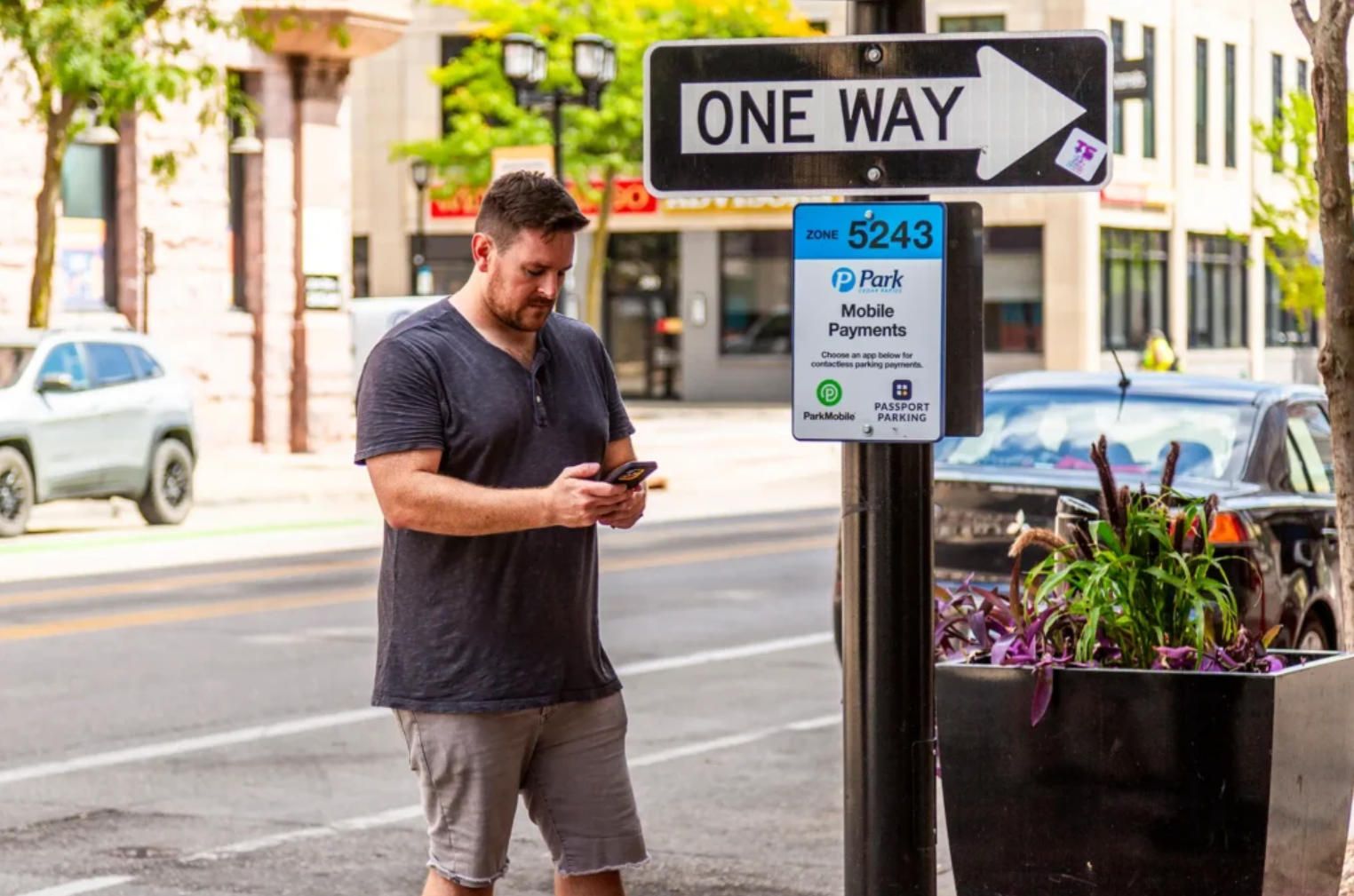
Parking Kitty serves as Portland's official Portland parking app, developed by the City of Portland to streamline meter payments and parking session management. Available on both iOS and Android platforms, the application eliminates the need for physical payment at meter stations by enabling smartphone-based transactions. Users enter zone numbers displayed on parking signage, select parking duration, and receive "meow" notifications when their session approaches expiration.
The Portland parking app charges a $0.10 convenience fee per transaction, supplementing mandatory fees totaling $0.50 that apply to all parking transactions regardless of payment method. These additional charges include a $0.10 technology fee supporting parking enforcement equipment modernization, $0.20 for climate and equitable mobility initiatives passed by Portland City Council in 2022, and $0.20 for transportation infrastructure maintenance approved in 2024. The fee structure aims to balance user convenience with funding for transportation improvements.
Parking Kitty operates across Portland's five parking districts with varying hourly rates: Downtown charges $3.00 per hour, Marquam Hill (home to Oregon Health & Science University) charges $2.60 per hour, and Lloyd District charges $1.80 per hour. The application enables remote time extensions up to posted maximums, allowing users to add parking time without returning to their vehicles. This feature proves particularly valuable during extended meetings, medical appointments, or weather events.
User feedback on app stores reveals both satisfaction and areas for improvement. Positive reviews emphasize the convenience of avoiding physical meter interactions during Portland's frequent rain, with one user describing Parking Kitty as life-changing for mobility-impaired residents. However, critical reviews request enhanced features including heat maps showing parking availability, more granular time increments beyond full-hour additions, and the ability to purchase longer parking durations upfront for workers requiring extended stays.
The Portland parking app utilizes a pay-by-plate system, eliminating paper receipts and window displays. Parking enforcement officers verify payments through handheld devices that match license plate numbers with transaction records. This technology requires users to enter plates carefully, distinguishing between the number zero and the letter O, as mismatches can result in citations despite valid payment. The system accommodates temporary registration permits and trip permits, expanding accessibility for vehicles without permanent plates.
Alternative Parking Apps for Portland
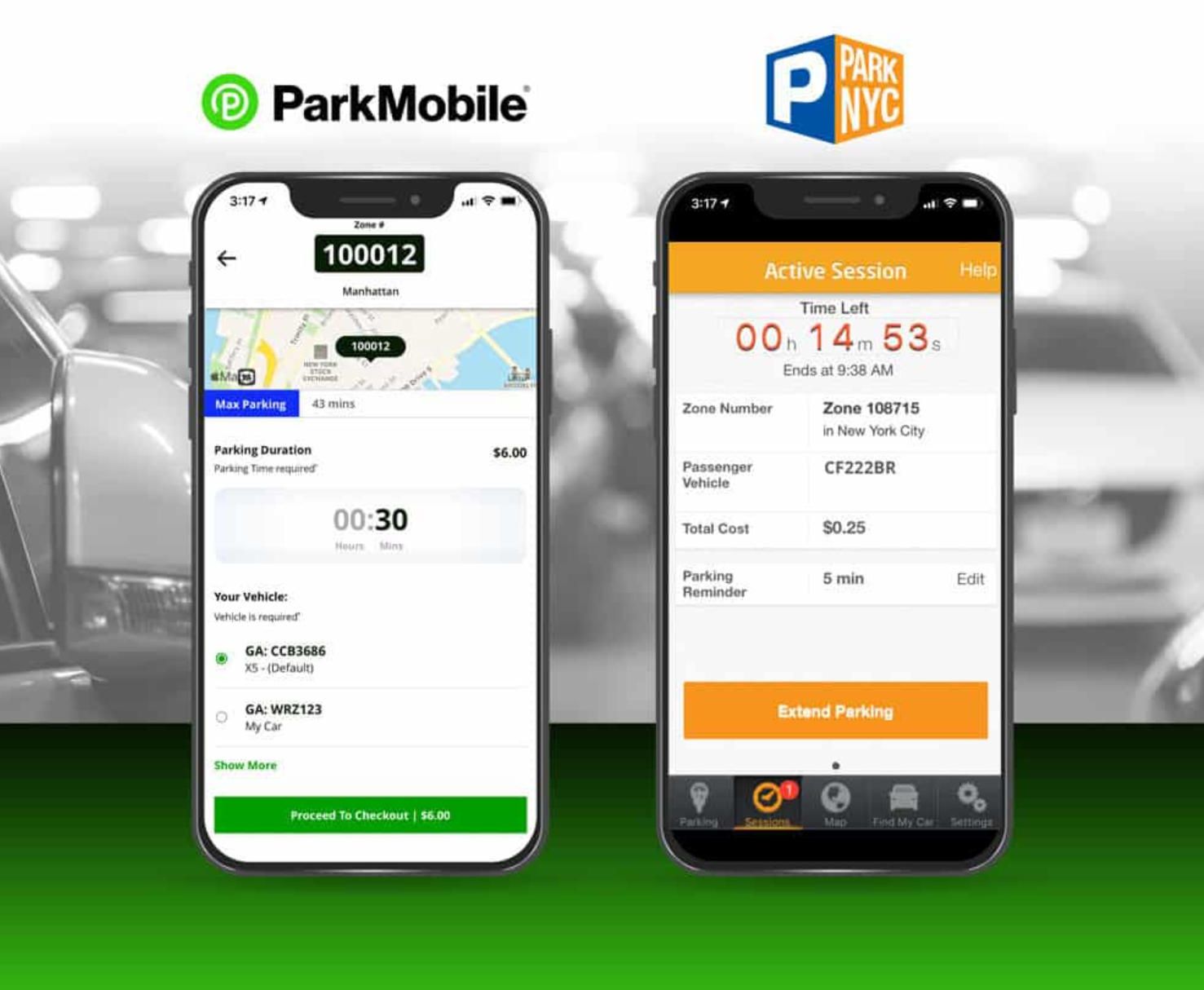
While Parking Kitty serves as Portland's official Portland parking app, ParkMobile operates in select Portland locations, providing an alternative payment platform with different features and pricing structures. ParkMobile's broader national network spans over 400 cities, offering 18 million users familiar interface consistency when traveling between metropolitan areas. However, ParkMobile's Portland presence focuses primarily on private lots rather than city-managed street parking.
SpotHero and similar reservation-based platforms complement real-time payment apps by enabling advance booking of parking spaces at commercial garages and private lots. These services prove particularly valuable during Portland Rose Festival events, Portland Timbers and Portland Thorns matches at Providence Park, and Oregon Convention Center conferences. Pre-booking eliminates uncertainty during peak demand periods, though pricing typically exceeds standard hourly rates due to guaranteed availability.
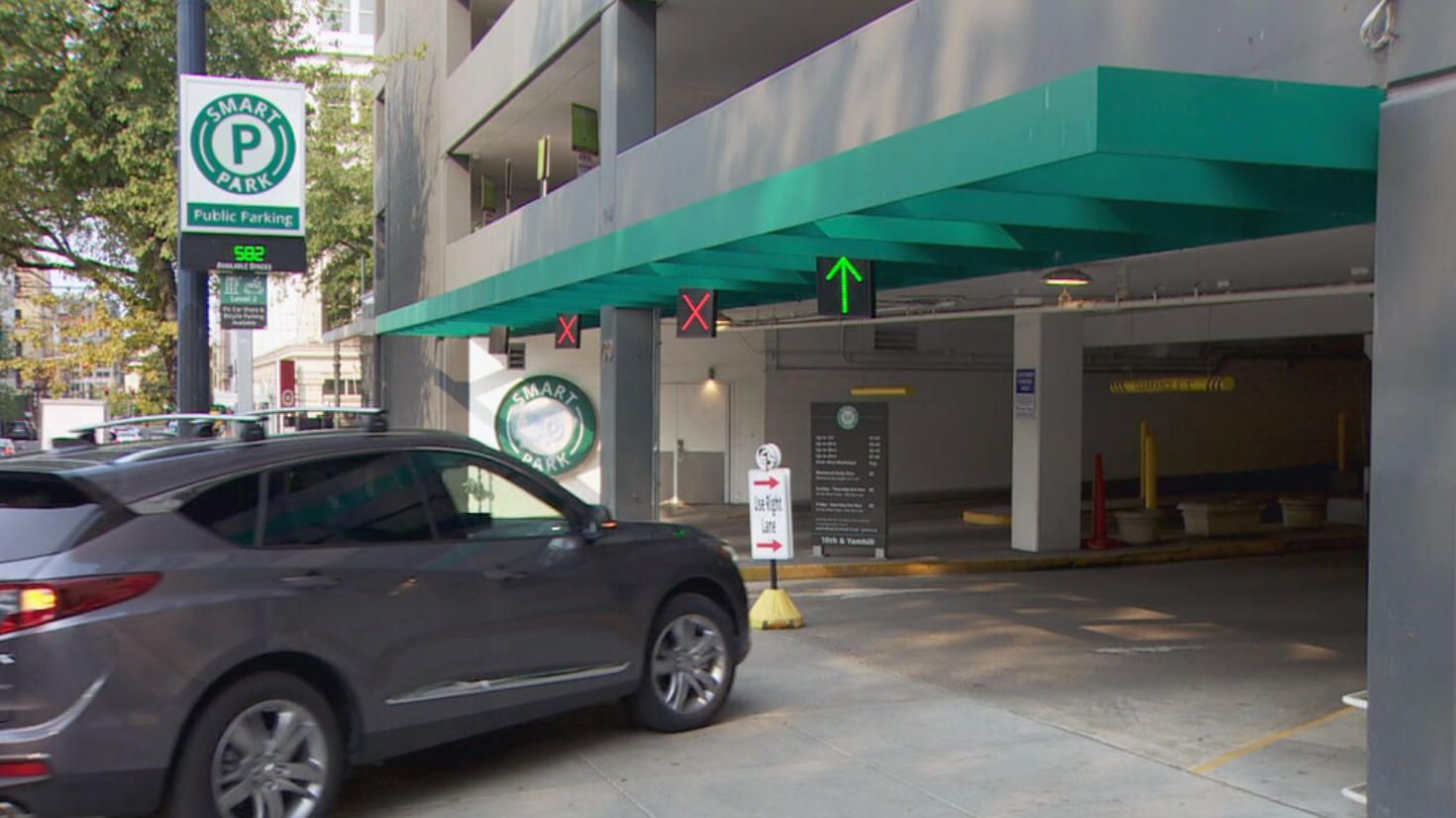
SmartPark public garages maintain their own payment systems separate from street-level Portland parking app integration, offering approximately 4,000 spaces across five downtown locations. While SmartPark facilities display real-time availability above entrance gates, they lack comprehensive mobile integration that would enable remote reservation or payment through a unified Portland parking app. This fragmentation creates user experience challenges as drivers navigate between different payment systems depending on parking type.
Portland State University, Washington Park, and Oregon Museum of Science and Industry (OMSI) each utilize Parking Kitty within their specific jurisdictions, expanding the official Portland parking app's coverage beyond standard city meters. The City of Vancouver, Washington also employs Parking Kitty for its parking management, creating some regional standardization across the greater metropolitan area. However, each jurisdiction maintains separate zone numbering and rate structures within the application.
The competitive landscape for Portland app development in the parking sector includes opportunities for enhanced features that current solutions don't fully address. Real-time availability data, predictive analytics for parking space forecasting, integration with electric vehicle charging station locations, and automated payment for frequent users represent feature gaps that custom Portland parking app development could fill. Event-specific parking management, particularly for venues like Providence Park, the Oregon Convention Center, and Rose Festival locations, requires specialized functionality beyond standard meter payment.
IoT Integration: The Future of Smart Parking
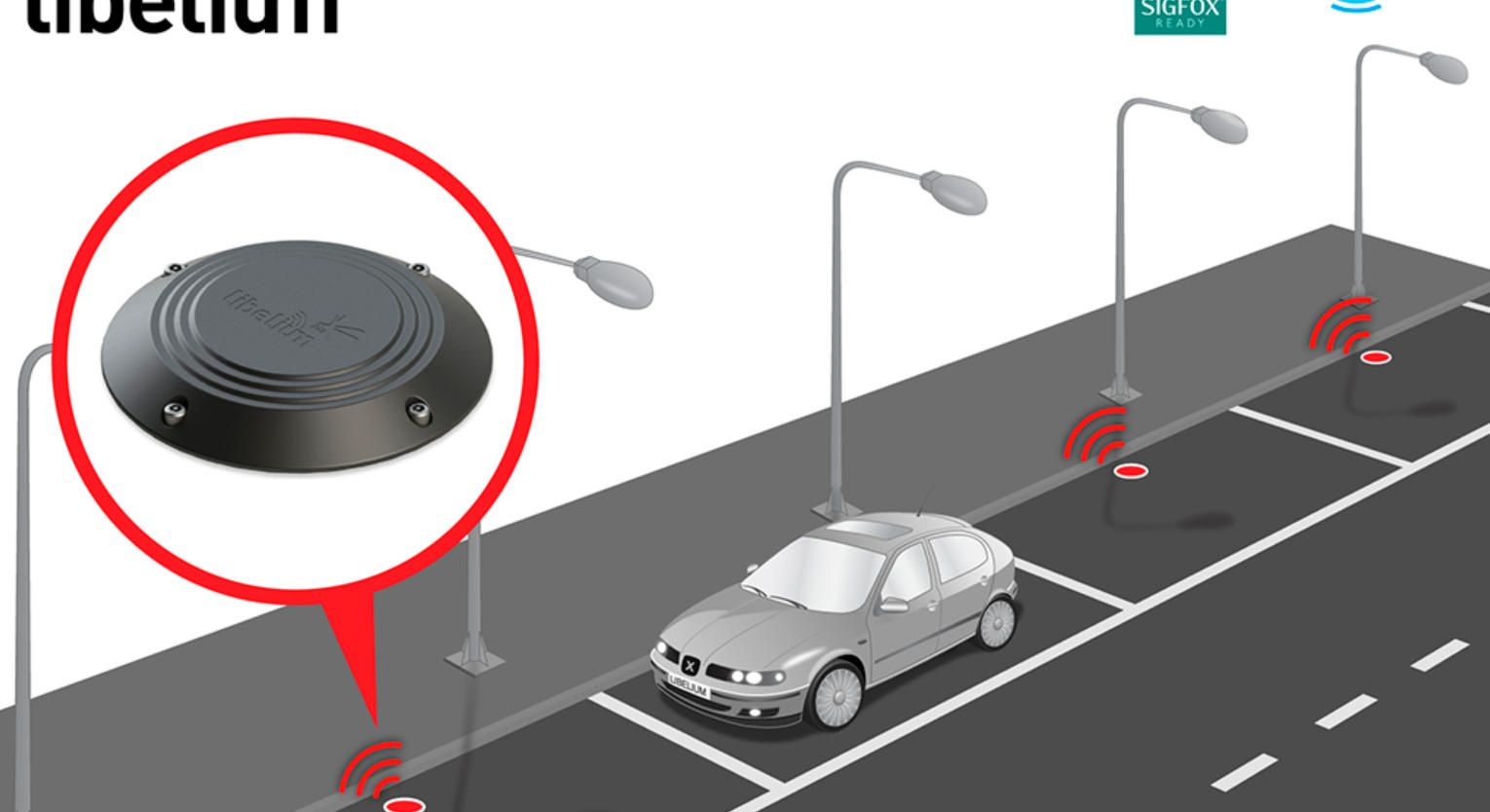
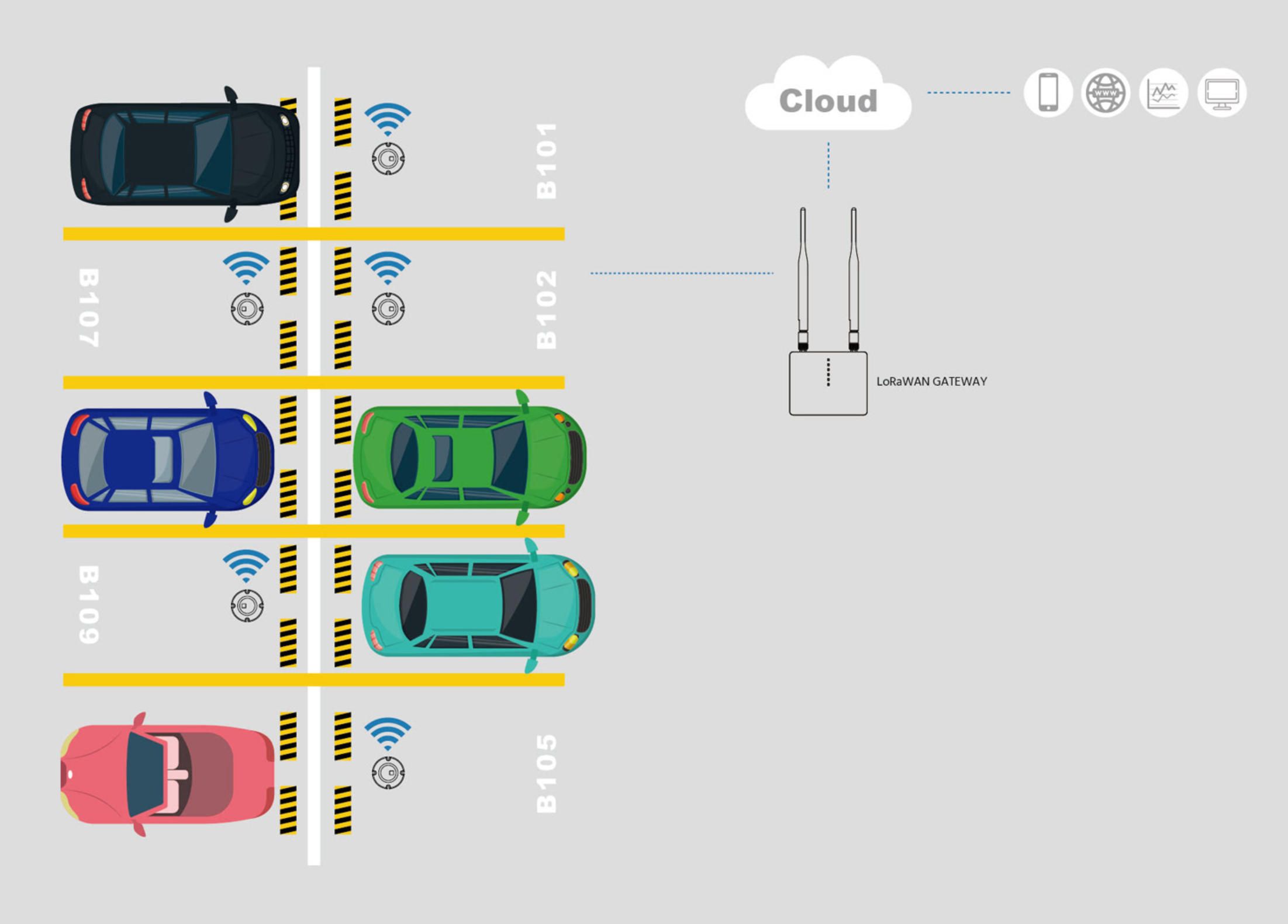
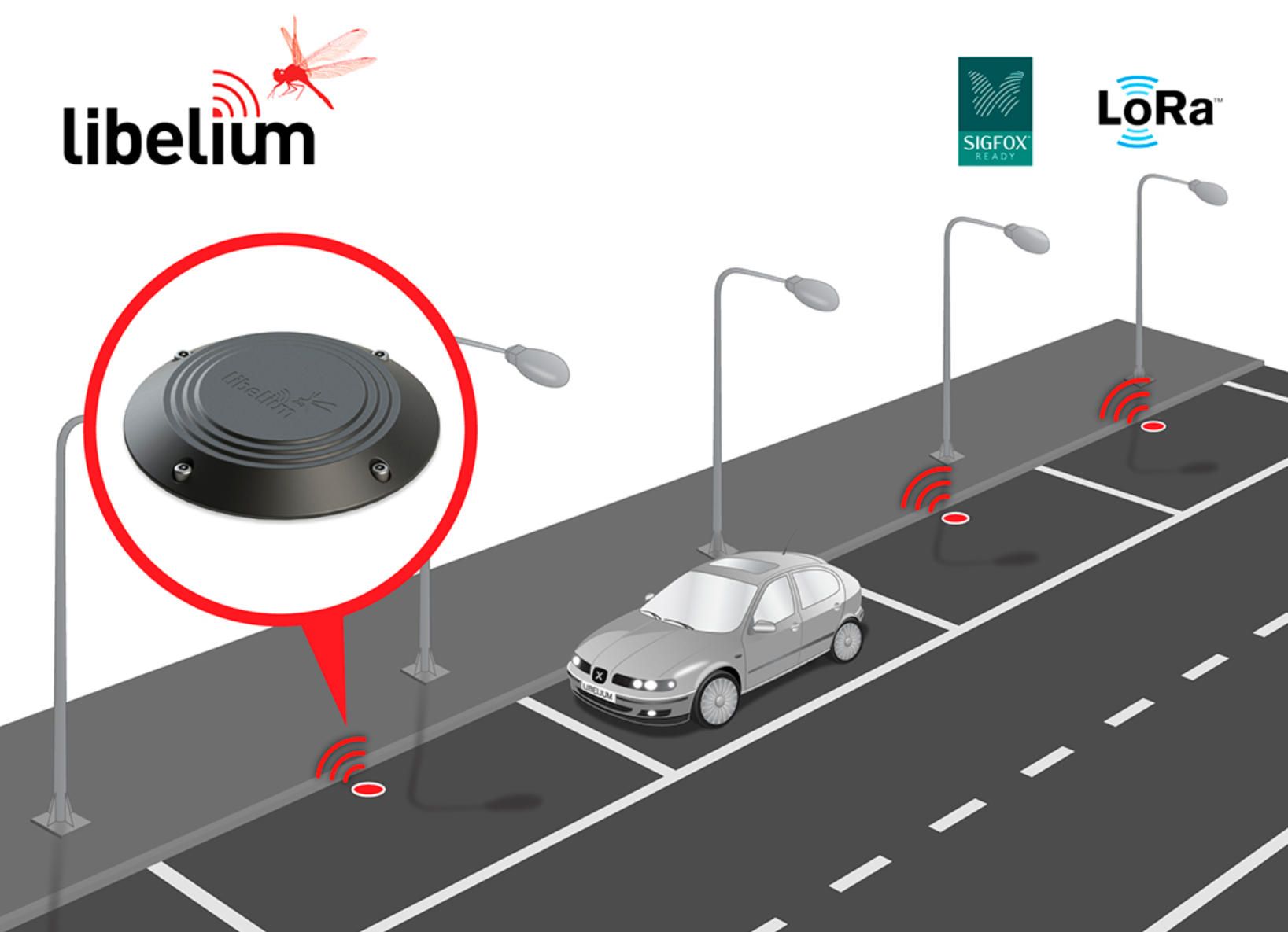
IoT sensor networks represent the technological foundation for next-generation Portland parking app capabilities, enabling real-time occupancy detection with over 95% accuracy. Ground-mounted sensors utilizing magnetometer, radar, or ultrasonic technology detect vehicle presence in individual parking spaces, transmitting status updates every 15 seconds via LoRaWAN or NB-IoT protocols. These sensor networks generate the real-time availability data that transforms parking apps from payment processors into intelligent parking guidance systems.
Portland's current infrastructure lacks comprehensive IoT sensor deployment across its 20,000 metered spaces, limiting the official Portland parking app to payment functionality rather than availability guidance. Implementing citywide sensor coverage would require capital investment in hardware installation and ongoing network maintenance, but would enable driver guidance to open spaces, reducing the "circling the block" behavior that contributes to congestion. Research indicates that drivers spend an average of 43% less time searching for parking when using IoT-enabled guidance systems.
License plate recognition cameras complement ground sensors by providing automated enforcement and access control for parking facilities. Integration with a Portland parking app enables features like automatic payment initiation upon entry, eliminating manual zone selection and time estimation. Computer vision algorithms achieve 95% accuracy in daylight conditions, 90% in low light, and 93% for plates at 45-degree angles, according to recent scientific studies on parking management systems.
Smart parking barriers and gates integrate with IoT platforms through servo motors and network connectivity, enabling automated access control for restricted parking areas. For event venues like Providence Park or Oregon Convention Center parking structures, these systems can open automatically for pre-paid users identified through license plate recognition or mobile app authentication. A-Bots.com develops custom integrations between mobile applications and physical access control systems, ensuring seamless user experience from reservation through exit.
The global smart parking market demonstrates strong investment trends supporting IoT infrastructure development. Market valuations reached $9.37 billion in 2025 with projections to $33.82 billion by 2033, representing a 17.4% compound annual growth rate. North America leads adoption with 65% of major cities deploying smart parking solutions as of 2023, increasing from 55% in 2022. This rapid growth reflects municipal recognition that automated parking management reduces operational costs while improving revenue collection and user satisfaction.
Portland App Development Ecosystem
Portland's technology sector ranks among the top-10 U.S. cities for tech employment, supported by robust educational infrastructure including Oregon Institute of Technology's computer science programs. The city hosts major technology employers including Intel's primary R&D facility in Hillsboro since 1974, creating a stable talent pool for Portland app development across enterprise, startup, and agency contexts. This concentration of technical expertise enables rapid prototyping and deployment of specialized applications like smart parking systems.
Mobile app development companies in Portland specialize in diverse technical stacks including native iOS development with Swift and Objective-C, Android development with Kotlin and Java, and cross-platform frameworks like React Native. For a Portland parking app requiring real-time data synchronization, background location services, and payment processing, native development typically delivers superior performance compared to hybrid approaches. Portland app development teams bring experience with Core Location for geofencing parking zones, Apple Pay and Google Pay integration, and push notification systems for time-expiring alerts.
Portland's software development ecosystem benefits from supportive infrastructure including numerous incubators, accelerators, coworking spaces, and technology-focused networking events. The Technology Association of Oregon provides industry coordination, while organizations like Portland State University's Business Accelerator support startup ventures in mobile technology. This ecosystem facilitates partnerships between parking operators, municipal agencies, and Portland app development teams needed to deploy comprehensive parking management solutions.
Healthcare technology expertise particularly strong in Portland transfers directly to parking application development through shared requirements for HIPAA-compliant data handling, secure payment processing, and reliable real-time system performance. Companies like Kaiser Permanente and Oregon Health & Science University have driven demand for mission-critical mobile applications, raising local development standards that benefit all Portland app development projects including parking systems where payment security and system reliability prove essential.
The Portland app development cost structure reflects the city's position as a mid-tier technology market with competitive rates compared to San Francisco or Seattle while maintaining high quality standards. Basic Portland parking app development with payment functionality ranges from $50,000-$100,000 for small implementations, while comprehensive systems integrating IoT sensors, predictive analytics, and multi-venue management span $200,000-$500,000. These investments prove cost-effective when measured against increased parking revenue, reduced enforcement costs, and improved user satisfaction metrics.

Custom Parking App Development for Events
Portland's event calendar creates specific opportunities for specialized Portland parking app development beyond general meter payment functionality. The Portland Rose Festival's three-week span with 60+ events presents parking management challenges that generic applications don't address effectively. Event-specific features include pre-purchase of parking for Grand Floral Parade attendance, dynamic pricing during Starlight Parade hours, and capacity alerts for CityFair waterfront parking as lots approach maximum occupancy.
Providence Park, home to Portland Timbers and Portland Thorns matches, operates an event parking district with $5.00 hourly rates beginning three hours before kickoff and extending three hours post-game. A custom Portland parking app designed for stadium events would integrate with ticket purchasing systems, offering bundled parking and admission packages. Real-time occupancy monitoring prevents overselling while directing late-arriving fans to available spaces closest to the venue.
Oregon Convention Center parking requirements vary dramatically by event size, from small conferences with 500 attendees to major trade shows drawing 15,000+ visitors over multiple days. A specialized Portland app development project for convention center parking would incorporate advance reservation systems, multi-day parking packages, and integration with event registration platforms. Attendees could pre-pay parking during conference registration, receiving QR codes for barrier-free entry without additional transaction steps.
Washington Park, encompassing the International Rose Test Garden, Oregon Zoo, and Portland Japanese Garden, charges $2.00 per hour or $8.00 for all-day parking across multiple lots serving different attractions. Peak demand during summer weekends and special events creates availability challenges, with current systems providing limited guidance to drivers seeking open spaces. A custom Portland parking app for Washington Park would direct visitors to less-congested lots, balance demand across multiple parking areas, and reduce traffic congestion on narrow park roadways.
Private event venues, corporate campuses, and commercial developments represent additional markets for specialized Portland parking app development. Shopping centers like Lloyd Center and office complexes downtown benefit from parking management that ensures customer access during business hours while maximizing space utilization. A-Bots.com develops white-label parking applications customizable for individual venue branding and operational requirements, providing alternatives to one-size-fits-all solutions like Parking Kitty.
Smart Parking Market Growth and Opportunities
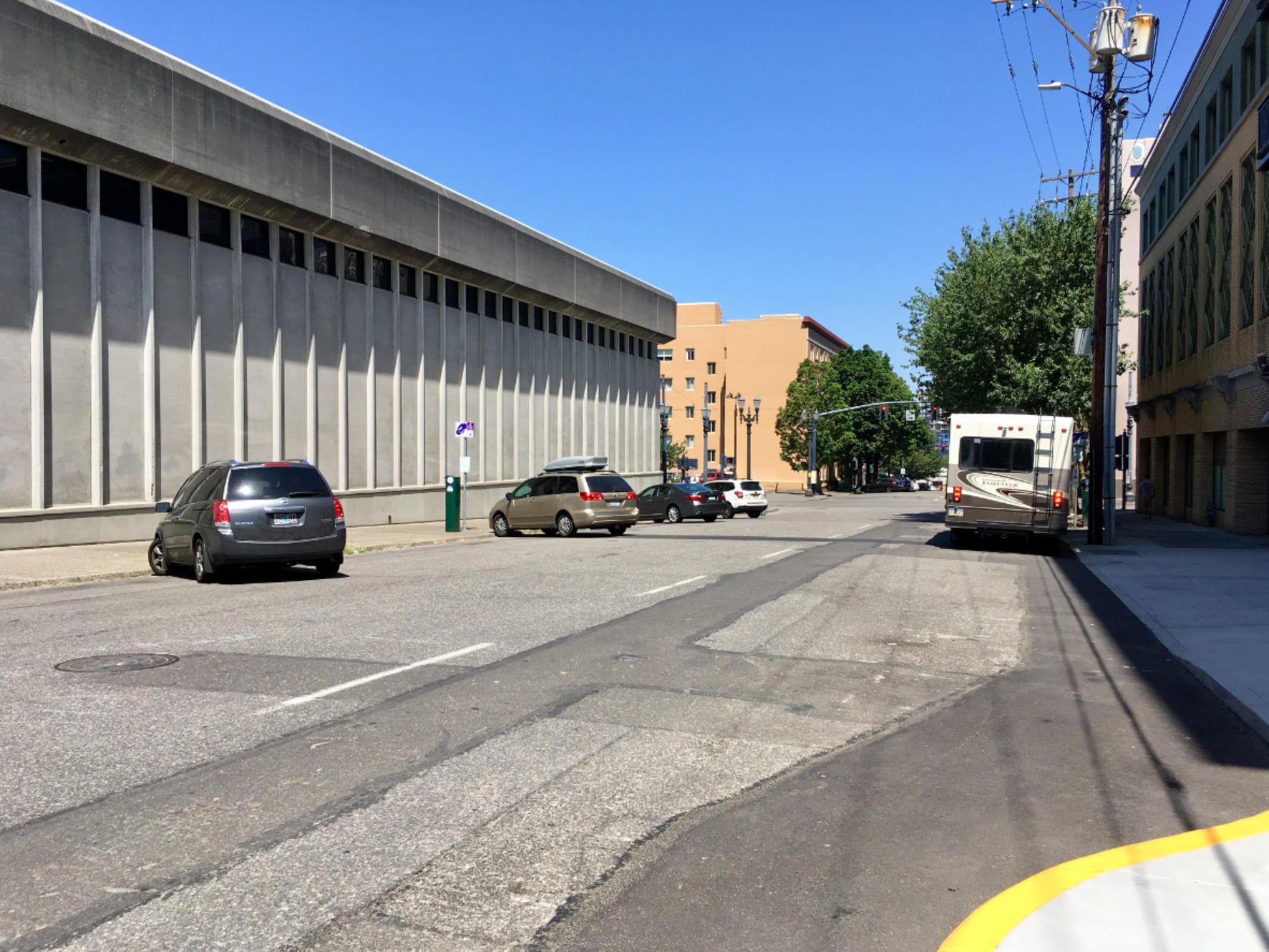
The smart parking systems market in the United States reached $2.47 billion in 2024 with projections to $17.78 billion by 2034, representing 21.82% compound annual growth. This expansion reflects increasing urbanization, rising vehicle ownership, and government investment in smart city infrastructure. Mobile app parking services specifically show the fastest growth segment as smartphone penetration reaches 85%+ among adults and digital payment adoption accelerates across demographics.
Nearly 40% of smart parking adoption stems from urbanization pressures as cities seek efficient space utilization for growing vehicle populations. Another 35% relates to connected vehicle penetration, with modern cars featuring built-in parking assistance technology that integrates with mobile applications. The remaining 25% originates from demand for IoT-enabled infrastructure supporting broader smart city initiatives. Portland's participation in smart city planning creates favorable conditions for comprehensive Portland parking app deployment beyond current limited implementations.
Government segments show particular growth potential, with 23.9% projected compound annual growth through 2030 as municipalities implement smart city development projects. Smart parking systems offer local governments reserved space management, reduced operational costs, and mobile payment options that increase revenue collection while cutting administrative overhead. Portland Bureau of Transportation's current deficit projections exceeding $30 million within five years create fiscal pressure supporting investment in automated parking management that improves cost recovery.
European adoption patterns demonstrate successful smart parking implementations that inform Portland app development strategies. London maintains 45,000 smart parking spaces while German cities average 180 smart parking spaces per hospital facility. These European systems reduce annual energy consumption by 18,000 kWh per facility through automated lighting and ventilation tied to occupancy sensors. Portland's environmental goals align with these efficiency metrics, creating additional justification for IoT-integrated parking infrastructure beyond revenue optimization.
Mobile app parking services revenue growth outpaces hardware sales as recurring transaction fees and subscription models generate ongoing returns from initial infrastructure investments. Portland's current $42.1 million annual parking revenue provides a substantial base for calculating potential returns from improved payment collection, reduced enforcement costs, and higher space utilization. Even modest improvements in collection efficiency and occupancy optimization could generate millions in additional annual revenue while improving user experience through reduced search times.
Technical Architecture for Portland Parking App
Modern Portland parking app architecture requires cloud-based backend infrastructure supporting real-time data synchronization across thousands of parking spaces. Amazon Web Services, Google Cloud Platform, or Microsoft Azure provide scalable hosting environments capable of handling peak loads during events like Portland Rose Festival when parking transactions surge dramatically. Backend systems must maintain sub-second response times for critical operations like payment processing while managing concurrent usage from thousands of simultaneous users.
Database design for a comprehensive Portland parking app centers on geospatial data structures enabling efficient location-based queries. PostgreSQL with PostGIS extensions or MongoDB with geospatial indexing provide foundational capabilities for storing parking space coordinates, occupancy status, and pricing zone boundaries. Real-time updates from IoT sensors require time-series database components optimized for high-frequency write operations, with InfluxDB or TimescaleDB handling occupancy telemetry streams.
Payment processing integration represents a critical security concern requiring PCI DSS compliance and robust encryption. Portland app development for parking must integrate with payment gateways like Stripe, Square, or established parking industry vendors including Passport (which powers Parking Kitty) and ParkMobile's payment infrastructure. Tokenization of credit card data, secure transmission protocols, and fraud detection systems protect users while ensuring reliable payment processing during high-traffic periods.
Push notification infrastructure enables the time-expiring alerts that differentiate mobile parking apps from traditional meters. Apple Push Notification Service (APNS) for iOS and Firebase Cloud Messaging for Android require careful implementation to ensure reliable delivery while respecting battery consumption and user preference settings. Background location monitoring for automatic parking session initiation adds complexity requiring careful permission management and power-efficient implementation.
API design for a Portland parking app must accommodate future expansion including third-party integrations with navigation apps like Google Maps, Apple Maps, and Waze. RESTful API architecture with comprehensive documentation enables other services to query parking availability, current pricing, and payment options. For municipal deployments, open data standards supporting public access to anonymized parking statistics benefits transportation planning and research while demonstrating transparency.
Municipal Partnership: Developing for City-Scale Implementation
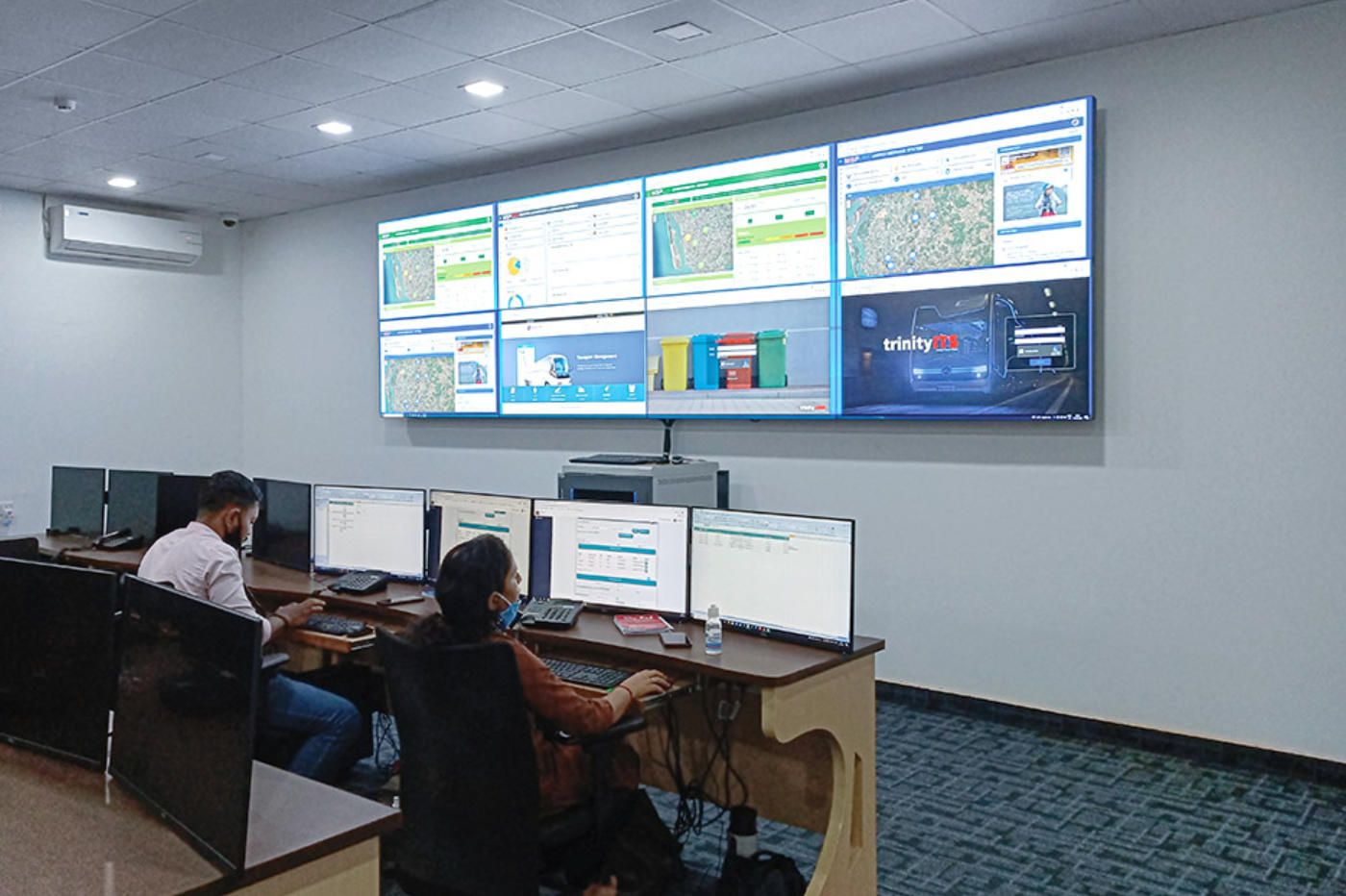
Portland Bureau of Transportation faces unique constraints when implementing city-wide parking technology, including procurement regulations, accessibility requirements, and public accountability standards. Municipal Portland parking app development requires formal bidding processes, detailed security assessments, and compatibility with existing city IT infrastructure. A-Bots.com navigates these requirements through experience with governmental clients and understanding of public sector development cycles.
Americans with Disabilities Act (ADA) compliance mandates specific features for Portland parking app accessibility, including screen reader compatibility, sufficient color contrast ratios, and alternative input methods for users with motor impairments. Audio feedback options, haptic notifications, and voice-activated controls expand usability beyond visual interfaces. These accessibility features benefit all users while ensuring legal compliance and equitable access to parking services.
Data privacy regulations including California Consumer Privacy Act (CCPA) influence Portland parking app development even though Oregon lacks equivalent state legislation. User data collection must serve legitimate operational purposes with clear disclosure and opt-in consent. Location tracking, payment history, and vehicle information require secure storage with restricted access and defined retention policies. Municipal implementations face heightened scrutiny regarding data handling compared to private sector applications.
Interoperability with existing parking enforcement systems represents a technical challenge requiring careful integration work. Portland's current meter infrastructure, payment processing systems, and citation database must connect seamlessly with new Portland parking app functionality. Legacy system interfaces may require custom middleware development to bridge modern mobile applications with older municipal technology platforms. Migration strategies phasing in new capabilities while maintaining operational continuity prevent service disruptions during deployment.
Community engagement throughout Portland app development ensures the final system meets diverse user needs across Portland's varied neighborhoods and demographics. Public feedback sessions, beta testing programs, and gradual rollout strategies build user confidence and identify issues before full-scale deployment. Portland's tech-savvy population provides valuable testing ground for innovative parking solutions while demanding high quality standards and reliable performance.
Cost Analysis and ROI for Custom Parking Solutions
Investment analysis for comprehensive Portland parking app development weighs upfront costs against ongoing operational savings and revenue improvements. A city-wide system covering Portland's 20,000 metered spaces would require substantial capital expenditure for IoT sensor installation ($150-$300 per space), software development ($300,000-$800,000), and backend infrastructure ($50,000-$150,000 annually). However, these investments enable operational efficiencies that compound annually.
Automated payment collection through a Portland parking app reduces cash handling costs, armored transport fees, and meter maintenance associated with coin mechanisms. Digital payments also improve collection rates as drivers less frequently dispute citations when payment records exist electronically. Portland's current 60% cost recovery on parking operations suggests significant improvement potential through automation reducing labor requirements for enforcement and maintenance.
Dynamic pricing capabilities enabled by smart parking infrastructure allow revenue optimization based on real-time demand. Surge pricing during peak hours or events captures additional willingness-to-pay while lower rates during off-peak times encourage utilization. Portland's current flat hourly rates regardless of demand leave money on the table during high-demand periods while discouraging usage when spaces sit empty. Predictive analytics identify optimal pricing strategies maximizing both revenue and space utilization.
Reduced traffic congestion from efficient parking guidance generates environmental and quality-of-life benefits beyond direct revenue. Portland drivers currently spend significant time circling for parking, burning fuel and contributing to emissions. Studies indicate smart parking reduces parking search time by 43%, translating to fewer vehicle miles traveled and lower greenhouse gas output. These benefits align with Portland's climate goals while improving resident experience.
For private parking operators including shopping centers, office buildings, and event venues, custom Portland parking app development improves customer satisfaction while enabling premium pricing for convenience. Contactless entry and exit, pre-booking capabilities, and integration with loyalty programs differentiate premium parking offerings. Return on investment calculation must include competitive positioning advantages beyond direct revenue from parking fees.
Future Trends: AI and Predictive Parking
Artificial intelligence integration represents the next frontier for Portland parking app evolution, enabling predictive models that forecast space availability based on historical patterns, events, weather, and traffic conditions. Machine learning algorithms trained on months of occupancy data can predict with 85-90% accuracy which parking zones will fill during specific time windows. This predictive capability allows a Portland parking app to recommend optimal parking locations before drivers reach congested areas.
Computer vision advances enable camera-based parking detection that complements or replaces ground sensors. Cloud-based image processing analyzes overhead camera feeds from existing security infrastructure, identifying occupied versus vacant spaces without additional sensor installation. For Portland's SmartPark garages, retrofitting with AI-powered camera systems proves more cost-effective than ground sensor installation in structured parking environments where concrete slab installation creates construction complexity.
Autonomous vehicle integration will fundamentally transform parking operations as self-driving cars eliminate the need for parking near final destinations. However, near-term partially autonomous vehicles with remote parking capabilities still require app-based reservation and payment systems. A forward-looking Portland parking app must accommodate both human-driven and autonomous vehicle scenarios, perhaps enabling car owners to direct their vehicles to distant lower-cost parking after passenger drop-off.
Blockchain technology offers potential applications in parking payment and occupancy verification, creating immutable transaction records and enabling peer-to-peer parking space sharing. Private parking space owners could monetize unused capacity through decentralized marketplaces mediated by smart contracts. While speculative, these blockchain use cases represent possible disruption vectors that Portland app development must monitor for emerging opportunities or competitive threats.
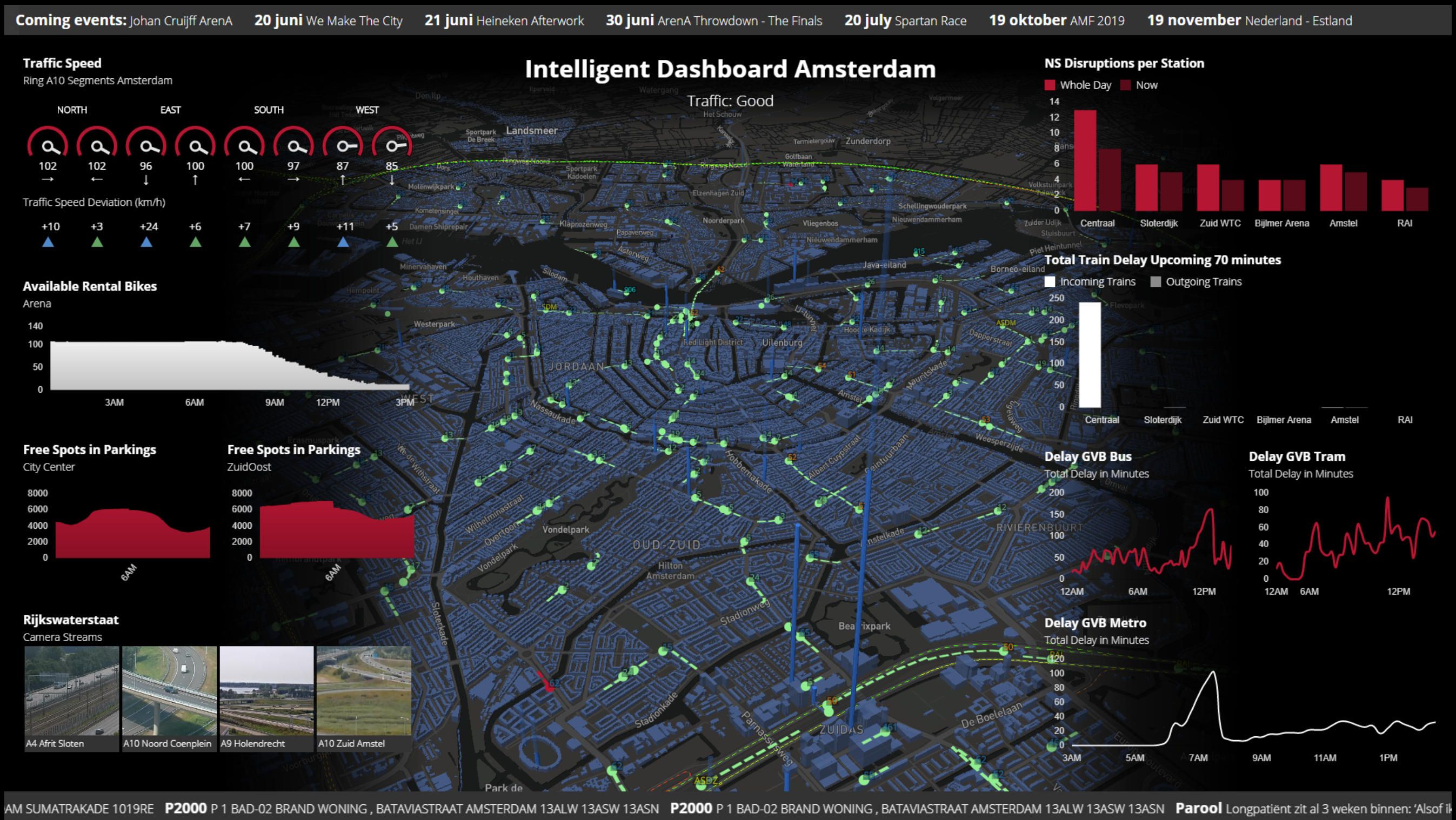
Integration with multimodal transportation planning expands Portland parking app utility beyond car storage, incorporating transit schedules, bike share availability, and ride-hailing options. A comprehensive mobility app helps users evaluate whether driving and parking proves optimal compared to alternative transportation modes. Portland's MAX Light Rail, Portland Streetcar, and bus network could integrate with parking guidance, suggesting park-and-ride options when destination parking proves limited or expensive. This holistic approach aligns with sustainable transportation goals while maximizing existing infrastructure utilization.
Key Facts Included:
- Portland manages 20,000+ metered parking spaces
- Parking Kitty is official city app (iOS/Android)
- $42.1M annual parking revenue
- 468,000 tickets issued in 2018-2019
- Rose Festival attracts 1.2M attendees
- Smart parking market: $9.37B in 2025 → $33.82B by 2033
- IoT sensors achieve 95%+ accuracy
- Portland tech ecosystem ranks top-10 nationally
✅ Hashtags
#PortlandParkingApp
#PortlandAppDevelopment
#SmartParkingSolutions
#IoTParkingSensors
#MobileAppDevelopmentPortland
#ParkingKittyAlternative
#SmartCityPortland
#PortlandTechEcosystem
#ParkingManagementSystem
#UrbanMobilityTech
#RealTimeParkingData
#PortlandRoseFestival
#CustomAppDevelopment
#ParkingAutomation
#SmartCityInfrastructure
#PortlandTransportation
#MobileParkingPayment
#PBOTParkingSolutions
Other articles
XAG P100 Pro vs DJI Agras T50 - Top Agro Drones Compared This in-depth expert article compares the DJI Agras T50 and XAG P100 Pro — two leading agro drones shaping precision farming in 2025. It explains payload, AI navigation, droplet control, ROI and integration with A-Bots.com software platforms that turn hardware into data-driven farming intelligence.
Madison App Development | Custom Mobile Solutions by A-Bots Madison, Wisconsin has emerged as a dynamic technology ecosystem generating $3.5 billion in economic impact with over 24,000 tech jobs. This guide explores Madison mobile app development opportunities across healthtech, biotech, university research, and the rapidly growing startup scene. Discover how Epic Systems, Google, Microsoft, and innovative startups create diverse demands for custom mobile applications. A-Bots.com provides expert Madison app development services including iOS, Android, and cross-platform solutions, plus comprehensive testing and QA. Learn why Madison's unique combination of academic innovation, healthcare leadership, and emerging technologies demands specialized mobile development expertise.
App Development Boulder, Colorado for IoT and Smart Living Boulder, Colorado stands at the crossroads of nature and innovation — where outdoor living meets intelligent technology. This article explores how A-Bots.com supports Boulder’s ecosystem through IoT-driven mobile app development, sustainability platforms, and research partnerships that transform data, devices, and everyday life into one connected experience.
Denver Mobile App Development: Livestock Tech & Sports Apps Denver mobile app development targets unique market opportunities including the National Western Stock Show with 660,000 annual visitors generating $171 million economic impact, and altitude training applications leveraging the city's 5,280-foot elevation. Analysis covers existing solutions, market gaps, and custom development potential for livestock event management, athlete performance tracking, and specialized fitness applications serving Denver's distinctive geographic and economic characteristics.
App Development Nashville, TN: Healthcare Technology and Medical IoT Revolution Nashville, TN is rapidly becoming a powerhouse in healthcare innovation, blending its world-renowned medical ecosystem with next-generation mobile and IoT solutions. This article explores how custom app development is reshaping clinical workflows, patient monitoring, and connected medical devices across hospitals, start-ups, and health systems. From HIPAA-compliant architectures to medical IoT integrations, Nashville’s tech landscape is full of opportunities for companies seeking high-quality engineering talent. A-Bots.com brings deep expertise in building secure, scalable healthcare applications tailored to the needs of modern medical organizations.
Top stories

Copyright © Alpha Systems LTD All rights reserved.
Made with ❤️ by A-BOTS