
Home
Services
About us
Blog
Contacts
Mobile App Development Boulder,CO: Connecting Nature, Innovation, and IoT
1. Outdoor Tech & Smart Living: Where Nature Meets Apps
2. Sustainability, Smart Energy & IoT Platforms
3. Startups, Research & Future of Boulder Mobile App Development
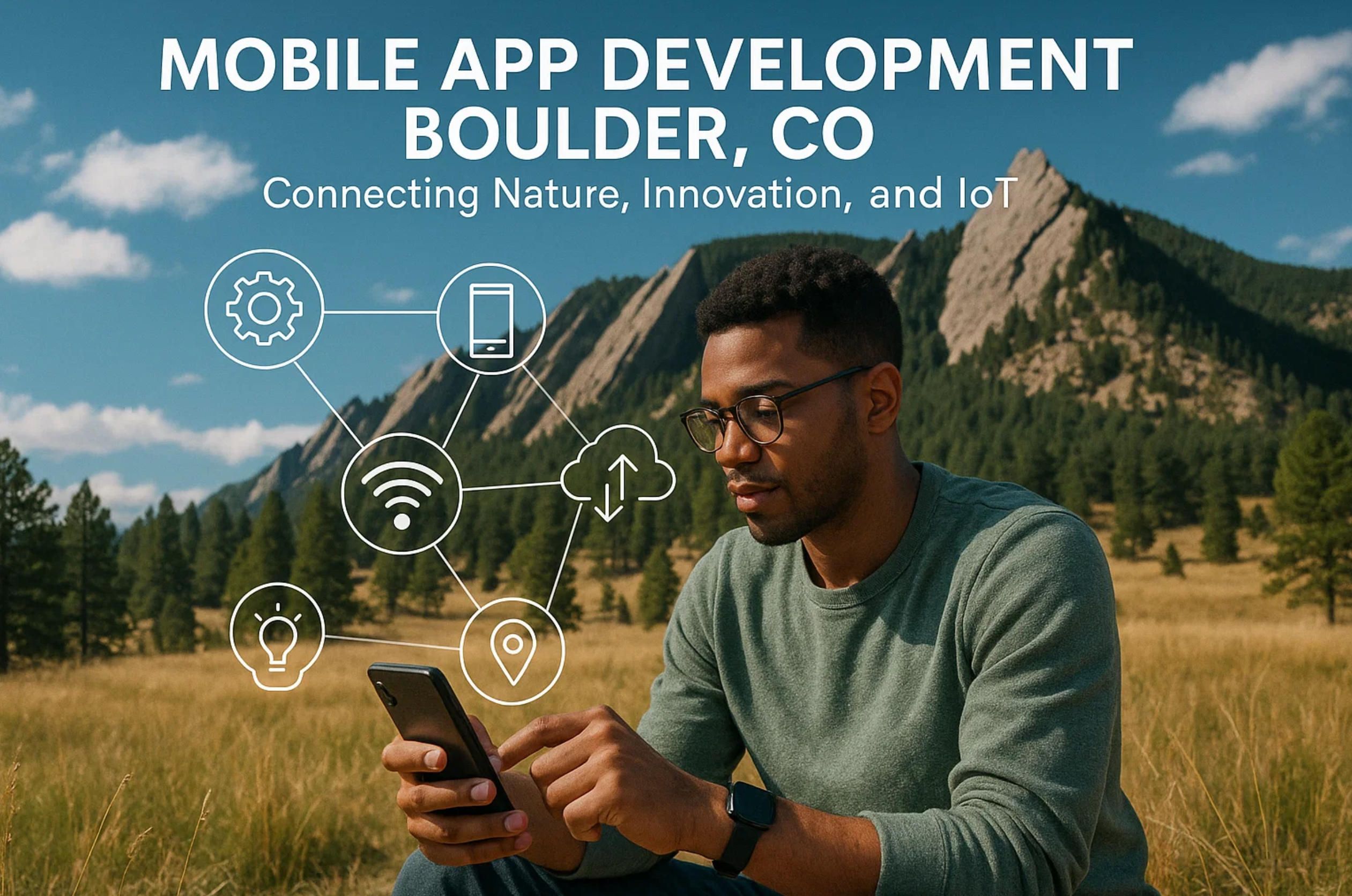
Boulder, Colorado, has long been known as the city where nature and innovation coexist in perfect balance. Nestled against the Rocky Mountains, it’s a place where you can hike a trail in the morning, prototype a sensor board in the afternoon, and join a climate-tech meetup in the evening. But beyond its postcard views, Boulder is one of America’s strongest hubs for smart, sustainable technology — and that’s exactly where mobile app development becomes a key enabler of progress.
For startups, research labs, and outdoor-tech pioneers in Boulder, mobile apps are no longer just digital accessories — they are the core of connected ecosystems. From IoT-driven wearables and solar-powered devices to environmental data analytics and e-mobility, every innovation here needs a strong software layer to interact with users, visualize data, and drive real-time decisions. That’s where A-Bots.com comes in — a company specializing in custom mobile app development for IoT, robotics, and smart device ecosystems.
As an experienced Boulder mobile app development partner, A-Bots.com helps local innovators design, build, and test the digital foundations of their products. Whether it’s a Bluetooth-enabled cycling tracker, a city-wide sensor dashboard, or an enterprise app for energy analytics, our team builds tailored, scalable solutions that connect devices, users, and data seamlessly. We collaborate with both established enterprises and early-stage startups to accelerate innovation without compromising reliability.
What makes Boulder unique is its interdisciplinary approach — a blend of engineering, environmental science, and entrepreneurship. This culture demands software that’s equally versatile: apps that can work offline in the mountains, communicate securely with IoT gateways, and visualize complex data intuitively. A-Bots.com understands this intersection deeply, bringing together mobile UX design, backend architecture, and embedded integration into one cohesive development process.
Whether you need a full-cycle project or a specific development phase — prototyping, firmware integration, or app testing — A-Bots.com provides the technical expertise and creative vision to make it happen. Boulder’s innovation spirit deserves software that reflects its ambition — and we’re here to build it, one intelligent mobile solution at a time.
1. Outdoor Tech & Smart Living: Where Nature Meets Apps
Few cities illustrate the harmony between technology and the natural world as vividly as Boulder, Colorado. Here, mobile innovation isn’t confined to office buildings or coworking spaces — it breathes the same mountain air as hikers, climbers, and cyclists. The city’s passion for outdoor living has sparked a wave of startups focused on smart fitness, connected gear, and environmental monitoring — and at the heart of every product lies software. That’s why Boulder mobile app development is as much about code as it is about lifestyle design.
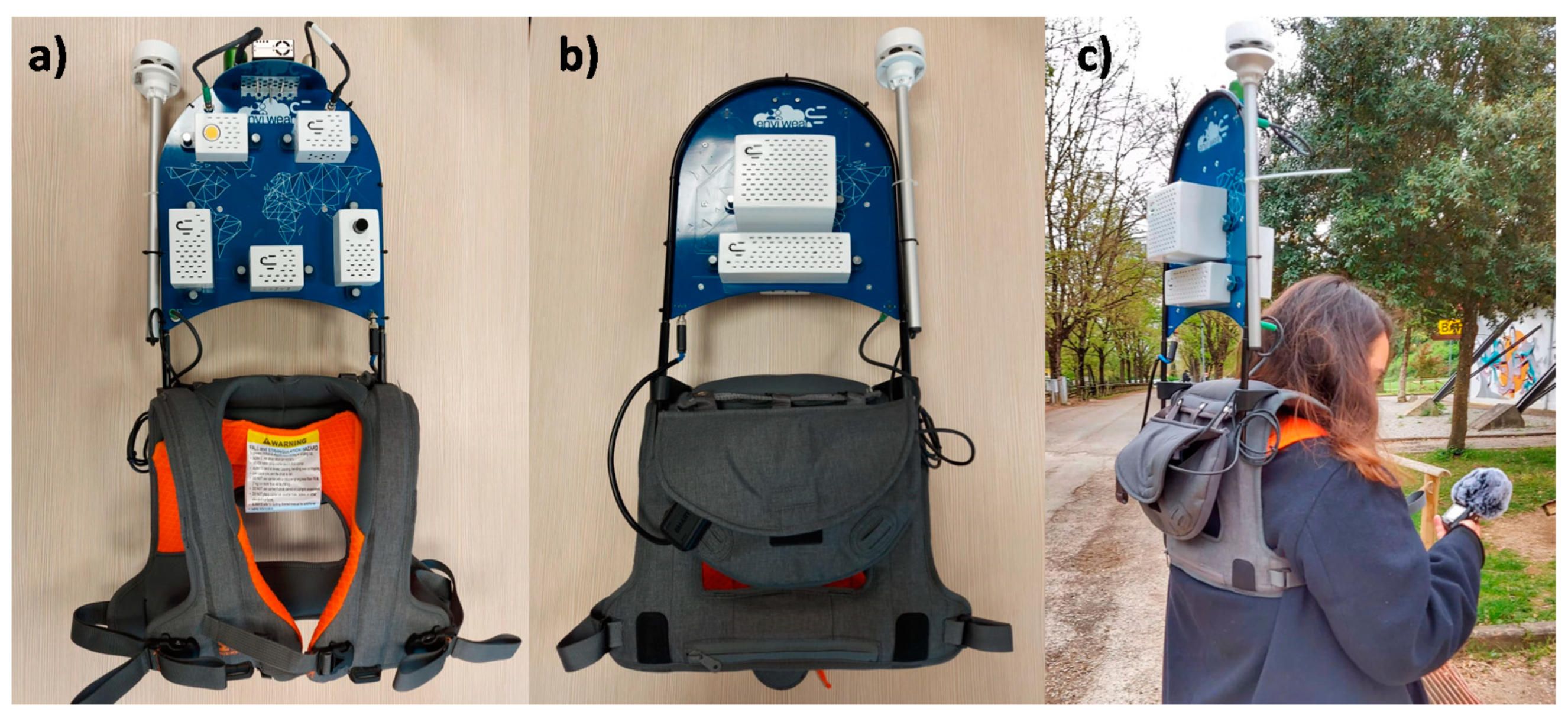
The landscape surrounding Boulder has always encouraged experimentation. When your users spend half their day in nature, your apps must perform where Wi-Fi doesn’t reach, where battery life is limited, and where usability can be a matter of safety. Companies building wearable sensors, hydration trackers, avalanche beacons, or solar-powered camping gear all rely on mobile apps as their human interface — a bridge between hardware and experience.
The rise of “Outdoor-First” software thinking
Traditional app design begins with the screen. Outdoor-tech design begins with the environment. Boulder’s developers and innovators have gradually shaped a new discipline we might call Outdoor-First UX. Instead of optimizing for convenience, these apps optimize for endurance, visibility, and clarity under sunlight or gloves. The design philosophy goes beyond aesthetics — it’s engineering empathy into the wild.
For instance, consider a mountain-bike telemetry system that logs power output, altitude, and vibration through a set of IoT sensors on the frame. The accompanying app must sync through Bluetooth Low Energy, cache data offline, and present analytics in a minimal, glanceable dashboard. Such challenges are everyday reality for Boulder mobile app development teams, and exactly where A-Bots.com excels.
Our engineers often apply a three-layer model when developing for outdoor or field conditions:
- Resilient Connectivity — hybrid BLE + LoRa or LTE-M networking with dynamic fallback.
- Edge Processing — on-device data filtering to reduce cloud dependency and conserve energy.
- Context-Adaptive UX — interfaces that shift contrast, icon density, or map layers according to ambient-light and motion-sensor input.
This layered logic transforms an ordinary app into a dependable companion — one that doesn’t fail when users venture beyond the grid.
A local ecosystem built around performance and sustainability
Boulder’s proximity to brands like Garmin, GoPro, Spyder, La Sportiva USA, and Osprey has made it an informal capital of outdoor engineering. These companies continuously explore how sensors, firmware, and mobile platforms can merge to enhance real-world performance. The next generation of smart gear — boots measuring foot-pressure distribution, climbing helmets with accelerometers, or hydration packs that signal depletion levels — all demand seamless software.
Mobile apps become the orchestrators of these connected systems. They receive data, apply interpretation models, and return actionable feedback: pace suggestions, rest alerts, or route deviations. A-Bots.com supports such workflows through:
- Custom Bluetooth LE and ANT+ protocol stacks for wearables.
- Map and navigation SDK integration (Mapbox, Google Maps API, OpenTopo).
- Predictive analytics modules built with TensorFlow Lite for on-device inference.
Each element contributes to Boulder’s vision of smart living — technology that amplifies human capability without intruding on the outdoor experience.
“The best technology in Boulder doesn’t distract from the landscape — it helps you listen to it,” says an R&D lead from a local wearable-tech startup. “Our goal is not to digitize the mountain, but to make the mountain communicate.”
This mindset perfectly aligns with A-Bots.com’s product philosophy: build digital bridges that respect physical realities.
Power management, data ethics, and sustainability
While user experience dominates most app discussions, Boulder’s community adds another layer — environmental responsibility. Developers are increasingly judged by the efficiency of their code and the energy footprint of their solutions. Battery drain is not merely a UX flaw; it’s a sustainability issue. The difference between a sensor pinging every second and every 10 seconds can translate into measurable carbon savings when thousands of devices are deployed.
A-Bots.com integrates adaptive sampling algorithms that dynamically adjust data-collection frequency based on motion or environmental conditions. Combined with progressive data sync, it minimizes both network and cloud overhead. Our developers use lightweight serialization formats like CBOR or Protocol Buffers instead of verbose JSON to reduce payload size, reflecting the minimalist ethos that Boulder prizes.
The same ethical lens applies to data ownership. Outdoor devices often record routes, biometric patterns, and geolocation trails. In a city that champions privacy and open-source collaboration, responsible handling of that information is non-negotiable. Hence, our mobile architectures incorporate on-device encryption, user-controlled sharing, and GDPR/CCPA-ready data exports.
Human-centric innovation at altitude
Perhaps the most intriguing trait of Boulder’s tech scene is its human scale. You won’t find skyscraper HQs dominating the skyline; innovation happens in repurposed warehouses, labs adjacent to climbing gyms, and coffee shops where firmware engineers and trail-guides exchange ideas. The closeness of the community accelerates experimentation: a prototype tested in the foothills at noon can inspire an app update by sunset.
Boulder mobile app development thus operates like a living laboratory. Feedback loops are fast, users are passionate, and failure is treated as part of the learning terrain. This culture suits A-Bots.com’s agile model perfectly — rapid iteration, real-time analytics, and continuous deployment pipelines that mirror the pace of Boulder’s creativity.
Looking beyond wearables: the future of outdoor intelligence
While current products focus on individual performance tracking, the next wave aims at collective intelligence — networks of sensors distributed across parks, trails, and campsites. Imagine an ecosystem where your smartwatch not only measures your pulse but also contributes to trail-safety alerts, wildlife detection, or micro-climate mapping. To make such systems viable, we need robust mobile platforms capable of edge coordination, anomaly detection, and secure cloud synchronization.
A-Bots.com is already developing modular frameworks for these scenarios. Our stack includes:
- IoT gateways with adaptive mesh topology, balancing data between devices in proximity.
- Cross-platform mobile interfaces (Flutter / React Native) for unified UX across iOS and Android.
- Predictive AI modules trained on geospatial and sensor datasets to forecast environmental risk.
These building blocks empower Boulder innovators to think beyond single-device experiences — toward ecosystems that sense, respond, and evolve.
A convergence of passion and precision
In the end, what distinguishes Boulder from other tech hubs is not just its mountains but its mindset. Here, technology is measured by authenticity: does it truly enhance the connection between people and their surroundings? Mobile apps are the language translating that connection — a digital dialect shaped by trails, sunlight, and snow.
A-Bots.com embraces that dialect. We see every project as a collaboration between engineering and environment, between silicon and soil. From concept to deployment, our teams merge aesthetic restraint with algorithmic depth — creating software that feels as natural as the landscape it serves.
As Boulder continues to pioneer the frontier of smart outdoor living, its developers need partners fluent in both IoT architecture and human experience. That is precisely the promise of A-Bots.com: to deliver Boulder mobile app development that is not just technically excellent, but philosophically aligned with the city’s ethos — sustainable, adaptive, and quietly revolutionary.
2. Sustainability, Smart Energy & IoT Platforms
If outdoor technology represents Boulder’s love of motion, sustainability represents its conscience. Few American cities have pursued environmental intelligence with such conviction — from community solar gardens and micro-grids to zero-waste goals and electric-bike fleets. What unites all these initiatives is a layer of digital infrastructure quietly orchestrating sensors, data, and decisions. And that layer increasingly depends on sophisticated Boulder mobile app development to turn invisible processes into tangible experiences for residents and businesses alike.
From energy independence to data independence
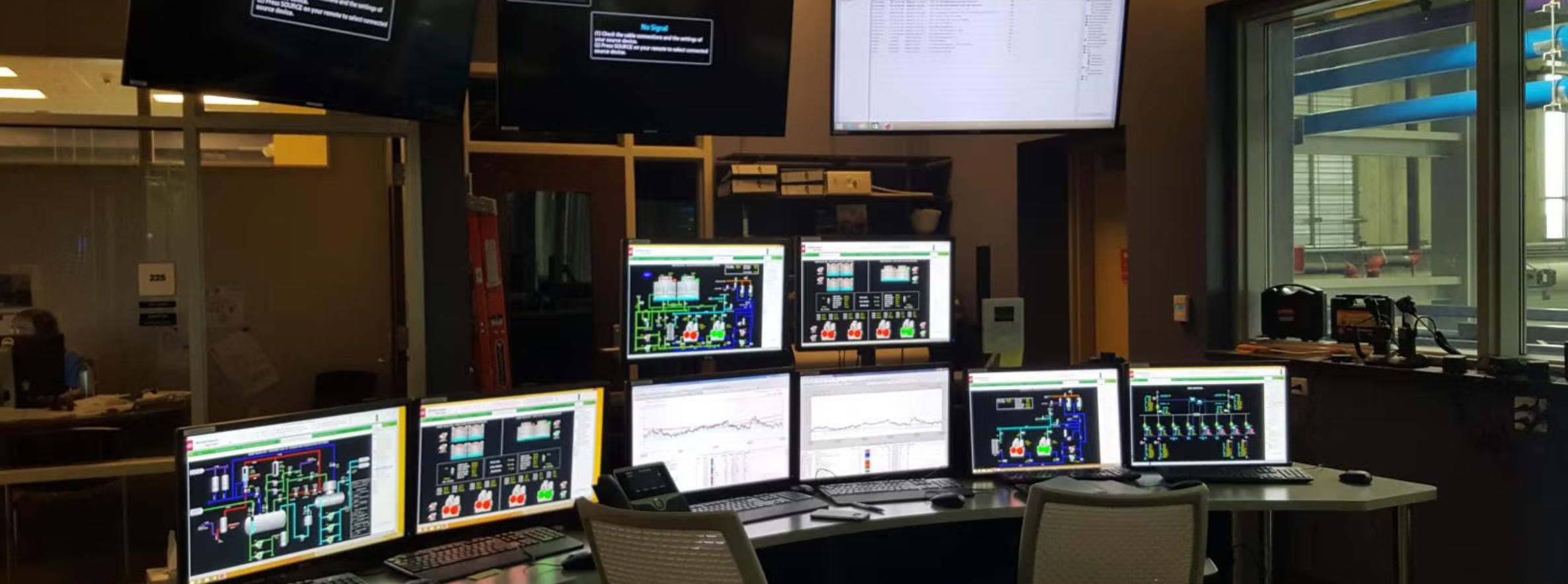
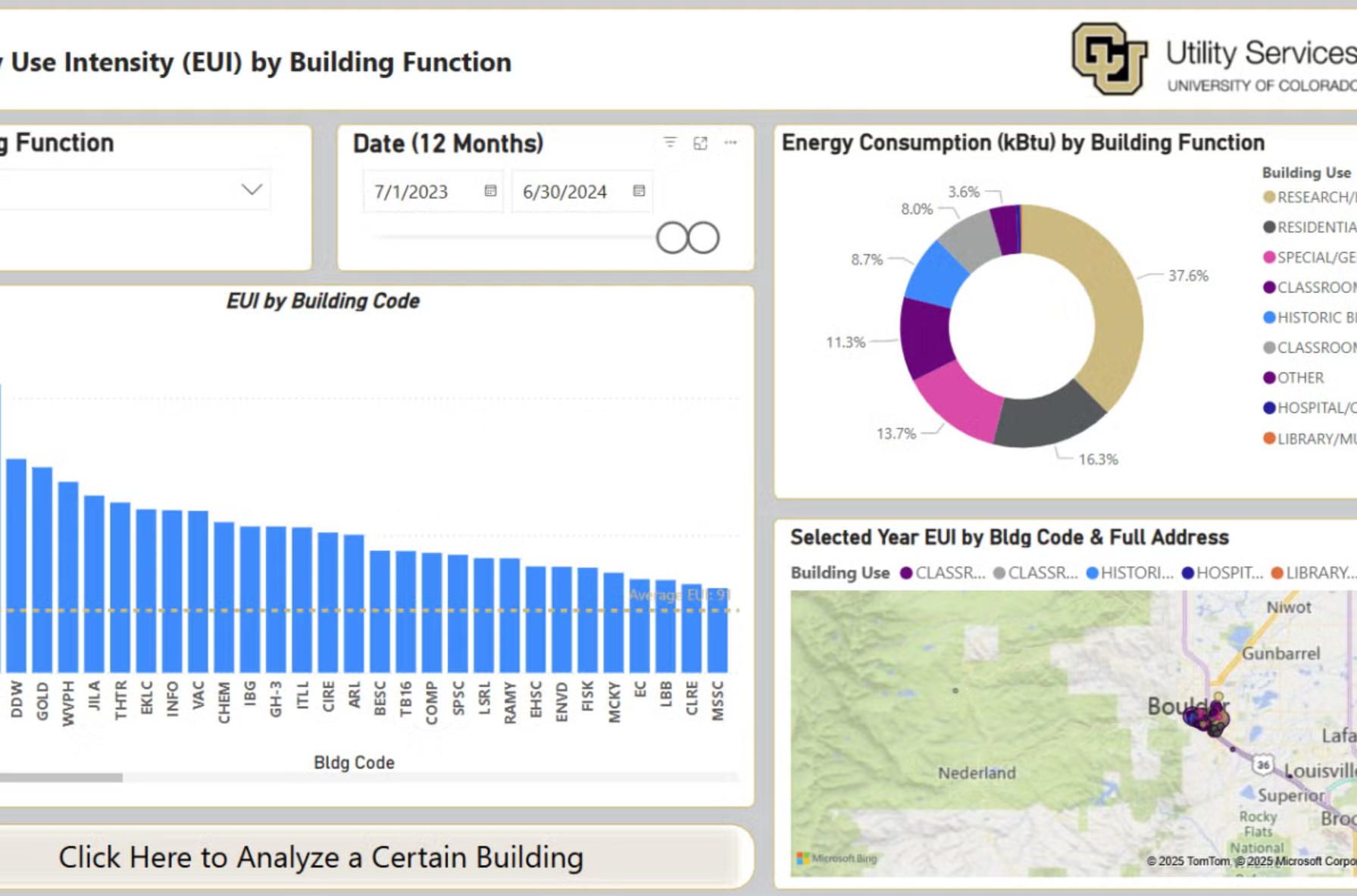
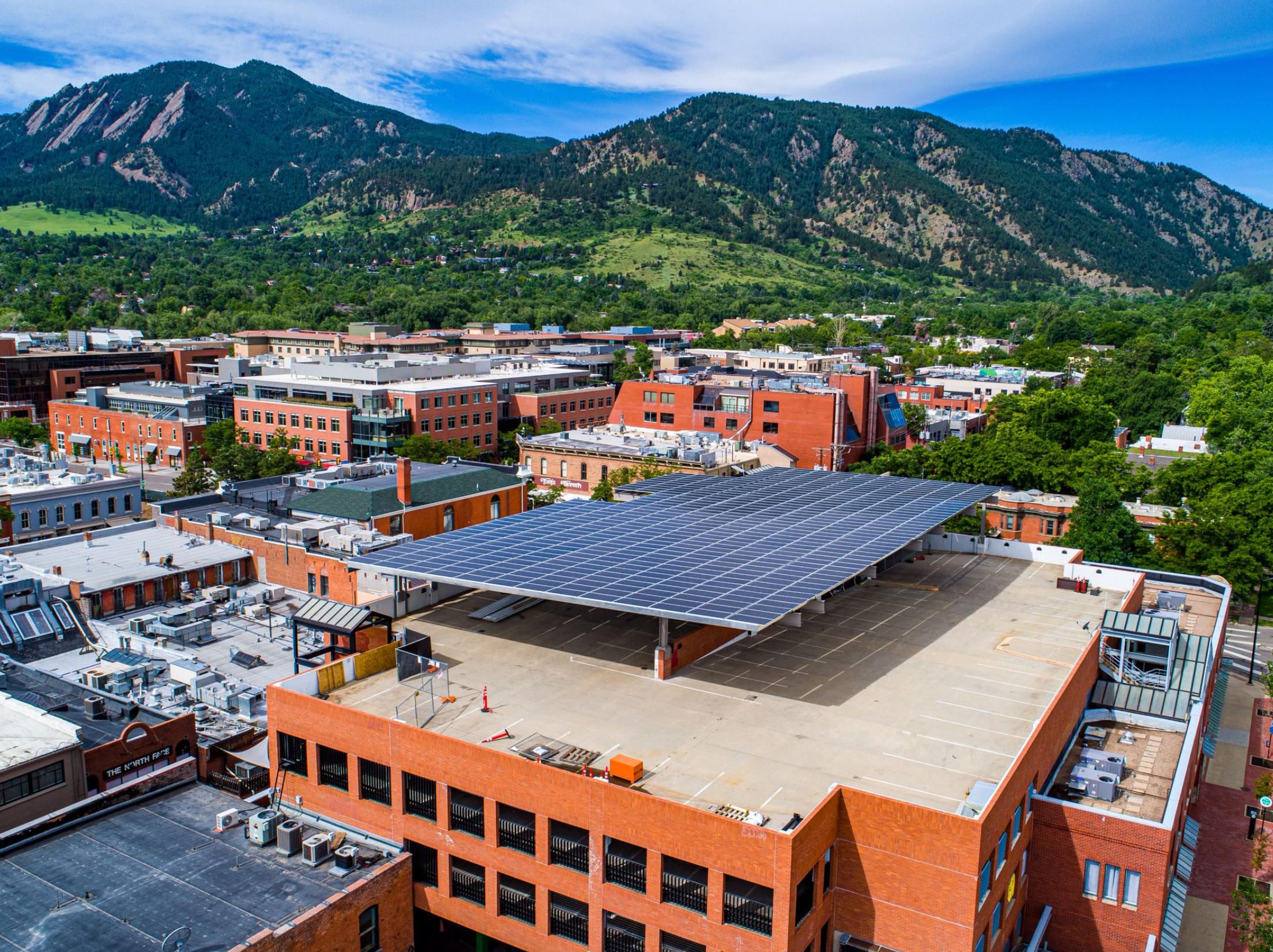
Boulder was among the first municipalities to experiment with localized power generation and community-owned renewable networks. Today, energy dashboards in public buildings display live solar output, household apps estimate grid load in real time, and EV chargers communicate directly with power utilities. Each of these systems relies on mobile interfaces that interpret complex flows of energy data into actionable insight — helping people consume less by understanding more.
A-Bots.com collaborates with companies pursuing this type of transparency. Our mobile developers design apps that integrate with IoT devices, energy meters, and cloud analytics platforms, forming a digital nervous system that links consumers to the infrastructure around them. When an EV owner checks charge efficiency or a solar engineer receives a fault alert from a distant inverter, the interaction is mediated through software designed for clarity, speed, and environmental accountability.
At the heart of sustainable innovation lies a simple truth: data is only valuable when it changes behavior. Whether it’s adjusting thermostat patterns, rerouting charging cycles, or alerting maintenance crews before faults cascade, the power of Boulder mobile app development is its ability to convert sensor feedback into sustainable action.
How IoT makes sustainability measurable
Sustainability once meant long-term ideals; now it’s a real-time metric. IoT platforms equipped with mobile endpoints have turned ecological awareness into a quantifiable science. In Boulder, these networks stretch across smart homes, corporate campuses, and municipal grids, capturing everything from CO₂ emissions to water flow.
To make such complexity accessible, apps must unify fragmented systems — solar panels, batteries, weather stations, HVAC units — under a single UX layer. A-Bots.com specializes in this integration through a combination of technologies:
- Edge data aggregation – local gateways that pre-process sensor data before sending to the cloud, reducing latency and bandwidth.
- Machine-learning inference on mobile – using frameworks like TensorFlow Lite to detect anomalies in energy output directly on the device.
- Adaptive visualization dashboards – dynamically rendered charts that highlight critical deviations in consumption or generation without overwhelming users.
These architectures make sustainability measurable not just at the city level but in everyday life. Residents can see how last night’s storm affected their solar production, how efficient their heat pump was this week, or whether their EV charging aligns with grid-friendly hours.
For enterprises, such visibility translates into ROI. Facilities managers use mobile apps to balance loads across multiple buildings, while sustainability officers export compliance reports directly from phone dashboards. Every feature that makes an app more intuitive also makes the ecosystem more resilient.
The clean-tech triangle: energy, mobility, and materials
Boulder’s sustainability strategy doesn’t stop at electricity. It extends into smart mobility and materials management — both areas deeply intertwined with mobile connectivity. The city’s bike-share systems, electric buses, and car-pooling apps collectively form a living laboratory of mobility data.
A-Bots.com has contributed to similar ecosystems worldwide, developing applications that connect vehicle telematics with urban energy grids. Such apps analyze driving patterns, predict charging demand, and help optimize renewable integration. Imagine a city where every parked EV becomes a distributed battery, feeding excess energy back into the grid during peak hours. The coordination of this dynamic exchange depends entirely on mobile software capable of real-time negotiation between thousands of devices.
Waste management is evolving in the same direction. Smart bins equipped with fill-level sensors communicate via narrowband networks, while sanitation routes are dynamically recalculated through app dashboards. By optimizing collection frequency, cities reduce fuel consumption and emissions — small efficiency gains that add up to major impact.
Each of these innovations reinforces the broader mission of Boulder mobile app development: to transform sustainability from a static policy into an interactive, data-driven experience.
Why mobile UX matters in environmental tech
Sustainability apps operate at the intersection of engineering and human psychology. The challenge is not only to gather data but to present it in ways that inspire engagement rather than fatigue. Users need clarity, motivation, and trust — qualities that depend on design as much as on computation.
A-Bots.com’s designers employ behavioral design patterns proven in energy and wellness sectors. For instance, micro-feedback loops deliver small rewards for efficient actions, such as weekly badges for reduced consumption. Progressive disclosure hides complex analytics until the user requests deeper insight, maintaining simplicity without sacrificing depth. And ambient visualization — subtle color shifts or motion cues — communicates system state without demanding attention.
These micro-interactions may appear cosmetic, but they drive measurable outcomes. Studies in Boulder’s sustainability programs show that residents using well-designed mobile interfaces reduce energy waste by up to 18 % compared to those relying on static reports. The implication is clear: UX is environmental strategy by another name.
Platform interoperability and the challenge of scale
As Boulder’s sustainability infrastructure expands, interoperability becomes the defining test. Solar installations use one protocol, grid meters another, and environmental sensors yet another. Without cohesive integration, the vision of a smart, sustainable city fragments into digital silos.
A-Bots.com addresses this through modular API orchestration layers built around MQTT, OPC UA, and RESTful architectures. By designing mobile clients that communicate through standardized gateways, we ensure future-proof compatibility with both legacy and emerging systems. For developers in the Boulder mobile app development ecosystem, this approach reduces technical debt and allows rapid onboarding of new data sources without rewriting entire apps.
Scalability isn’t purely technical, however. It also concerns governance and security. Every new sensor adds a potential vulnerability; every cloud connection introduces privacy considerations. To maintain trust, A-Bots.com implements end-to-end encryption, secure OTA update mechanisms, and role-based access control across our IoT and mobile stacks. These safeguards make sustainability infrastructure robust enough to handle real-world adoption — from neighborhood pilot projects to statewide deployments.
The business case for sustainable apps
For startups and investors, environmental responsibility is no longer a moral footnote; it’s a market driver. Clean-tech venture funding in the Boulder-Denver corridor has grown steadily, with particular interest in software layers that manage renewable assets and consumer engagement. A-Bots.com positions itself within this momentum, offering technical partnerships that accelerate go-to-market timelines for green-tech innovators.
Our development process often begins with a Proof of Concept (PoC): a simplified mobile interface that validates sensor logic and data flow. Once the system demonstrates stability, we scale toward production, integrating advanced features such as anomaly prediction, geofencing alerts, or blockchain-based carbon credit tracking. This iterative model lowers initial risk while preserving the flexibility to pivot as regulatory frameworks evolve.
The financial logic is compelling. Every kilowatt optimized, every liter of water conserved, every kilometer avoided through smarter logistics represents quantifiable savings. By embedding these efficiencies into mobile apps, Boulder’s companies can articulate ROI not only in profit but in environmental metrics — an advantage increasingly valued by investors and consumers alike.
Toward a circular digital economy
Sustainability doesn’t end at energy use; it extends to the software lifecycle itself. Boulder’s community advocates for digital circularity — codebases that can be reused, modularized, and shared to avoid duplication. A-Bots.com contributes by developing open APIs and documentation that enable local developers to build upon existing work rather than start from zero.
Our mobile frameworks for IoT energy systems, for example, are designed with pluggable data-model adapters, allowing new sensors or data types to be added with minimal overhead. This not only accelerates innovation but also reduces the hidden carbon cost of redundant computation. It’s a philosophy of software as ecosystem — dynamic, recyclable, and self-improving.
The next frontier lies in combining sustainability data with AI-driven optimization. Imagine a Boulder where every building’s energy model feeds into a city-wide neural network forecasting resource demand hours in advance. Such systems require mobile endpoints capable of continuous synchronization and local inference. Through federated learning techniques, A-Bots.com enables these endpoints to improve collectively without centralizing sensitive data — a sustainable AI by design.
A vision shared between code and community
Ultimately, the story of Boulder mobile app development in the sustainability domain is the story of collaboration. Engineers, policymakers, educators, and citizens all contribute to a feedback loop that defines what responsible innovation means in the 21st century.
In this loop, A-Bots.com serves as both architect and translator — converting environmental goals into digital structures that work, scale, and inspire. Our role is to make the invisible visible: to let data speak clearly enough that action becomes inevitable.
Boulder doesn’t just want smarter cities; it wants kinder ones — systems that reduce waste, respect privacy, and reward participation. Through thoughtful mobile design and IoT integration, that ideal is not a distant horizon but a tangible interface, glowing in the palm of your hand.
3. Startups, Research & Future of Boulder Mobile App Development
In the tech-ecosystem of Boulder, Colorado, where the Rocky Mountains meet the white-board, we find a dynamic convergence of research institutions, agile startups and mobile-app innovation. It is here that the phrase “Boulder mobile app development” moves beyond SEO keywords and becomes a lived practice: apps that integrate hardware, data and user-experience in real-world, high-altitude conditions. For a company like A‑Bots.com — specialising in mobile apps and IoT systems — this is fertile ground. Let’s explore how Boulder’s startup culture, research pipeline and future trajectories create a unique environment for mobile app development, and how A-Bots.com can plug in.
A vibrant startup ecosystem with mobile in its DNA
Boulder boasts a richly entrepreneurial community. According to local economic data, the region is ranked by StartupBlink among the top startup ecosystems in the U.S., thanks to its high density of educated workers, research collaborations and VC activity. (bouldereconomiccouncil.org) What’s notable is how many of these ventures involve mobile or edge-device interactions: wearables, sensors, remote controllers, data dashboards.
Consider a few representative companies:
- Simple Energy (founded in Boulder in 2010) built a SaaS platform and mobile apps that help utilities and households visualise energy consumption and engage in efficiency behaviour.
- Cloud Campaign, headquartered partially in Boulder, is a marketing-SaaS company with mobile/desktop interfaces for agencies to schedule, approve and analyse social media content. (Wiki)
- Atom Computing, with a commercial operations facility in Boulder, develops quantum computing hardware and software — while not purely mobile, its innovations signal how advanced mobile/Ux layers may interface with next-gen devices. (Wiki)
These examples underscore a key point: mobile app development in Boulder is rarely “stand-alone”. It is usually tethered to hardware, environment, sensor nets or advanced algorithms. For A-Bots.com, that means we are especially well-positioned: our IoT and embedded-mobile expertise aligns exactly with the local paradigm.
Research institutions fuelling innovation pipelines
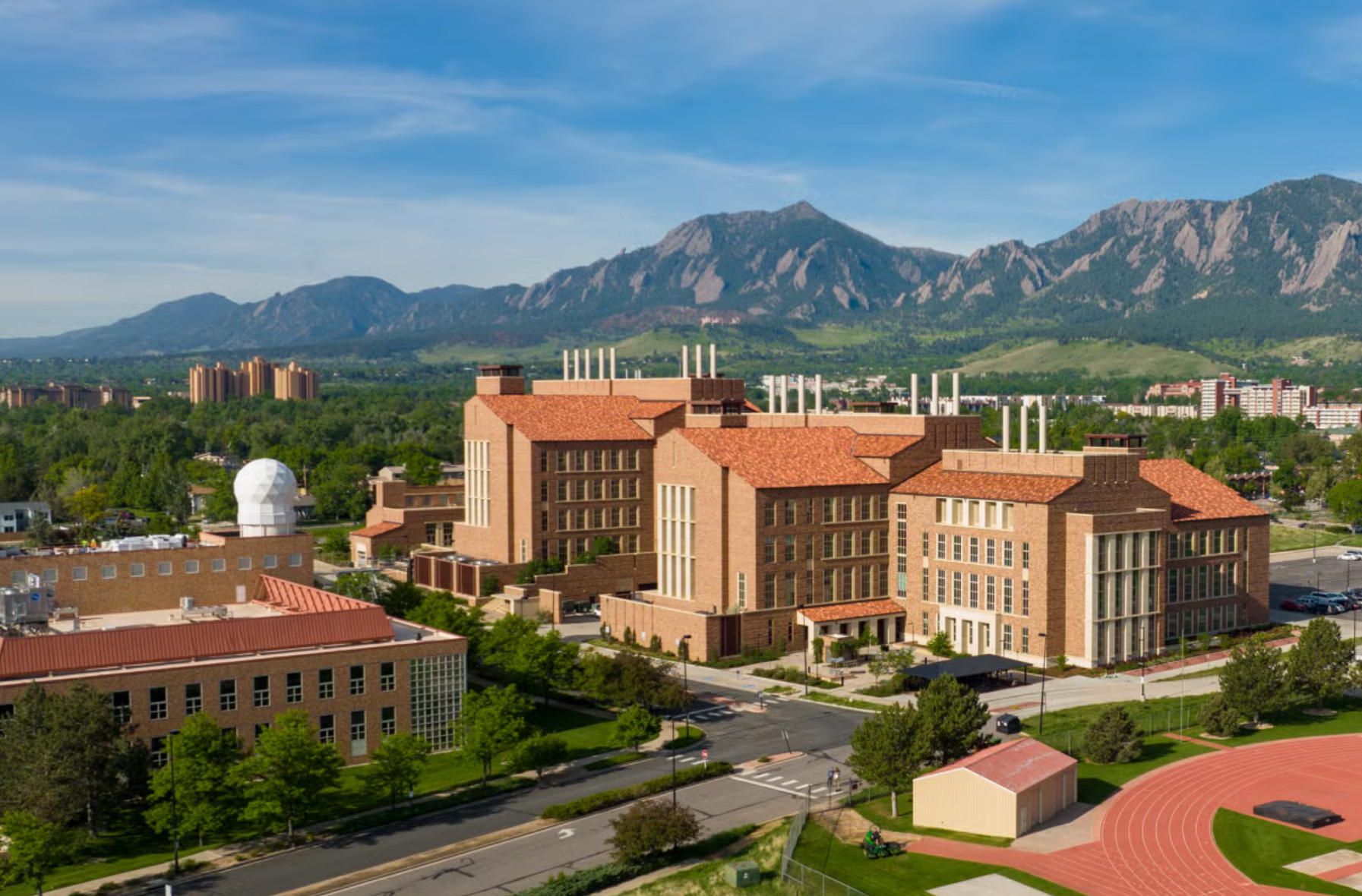
One of Boulder’s strategic advantages is the presence of high-calibre research institutions like University of Colorado Boulder (CU Boulder). In FY 2024, CU Boulder launched 34 startups, achieving a rate of 5.1 startups per US$100 million of research funding — more efficient than almost any other major campus. (University of Colorado Boulder) Many of these spin-outs touch on mobile, sensor or app-based technologies: clean-energy storage, biometric diagnostics, quantum sensing.
This research-to-startup pipeline matters for mobile app development in two ways:
- First, it means mobile apps in Boulder often emerge as part of a broader hardware-oriented project (sensors, labs, prototype devices) rather than pure consumer apps. This corresponds directly to A-Bots.com’s strength in embedded + mobile development.
- Second, it gives A-Bots.com access to highly specialised early-stage collaborations: custom app modules, ProofofConcept (PoC) builds, rapid prototyping for researchers turning into startups.
In sum, for Boulder mobile app development, the research layer is not an after-thought — it is part of the front-end: research generates devices and sensor arrays; apps become the human interface; and data-flows complete the loop.
Mobile apps at the crossroads of hardware, data and UX
In Boulder’s “smart outdoor” and “clean-tech” environment, mobile apps occupy a unique niche as system integrators. They must connect:
- Embedded hardware (sensors, wearables, microcontrollers)
- Connectivity layers (BLE, LoRa, LTE-M, mesh networks)
- Data pipelines (edge processing, cloud analytics, mobile dashboards)
- User interfaces (mobile screens, notifications, offline capabilities)
For example: a startup developing a smart water-meter system may deploy sensors in residential houses, use a mobile app to show usage patterns, send alerts when consumption thresholds are exceeded, and integrate with utility backend dashboards. This scenario is increasingly common in Boulder’s sustainability and IoT experiments.
A-Bots.com’s role in this framework can be described as mobile orchestration: we build the app that becomes the “dashboard + control panel + alert engine” for such systems. Our approach:
- Early stage: prototype mobile UI/UX fitted to sensor outputs
- Mid stage: integrate connectivity, edge-sync logic, data visualisation
- Late stage: build production-grade apps that scale, secure, support offline/low-connectivity environments
Since Boulder mobile app development tends to require tight coupling with hardware and the physical environment (e.g., outdoor sensors, solar arrays, EV chargers), A-Bots.com’s combined IoT + mobile expertise provides a meaningful differentiator.
Spotlight on key Boulder startups and what they tell us
Let’s take a deeper look at a handful of Boulder-based firms — not all mobile-native, but all relevant — and draw lessons relevant to mobile-app development.
Simple Energy — As noted, Simple Energy built applications to help households engage with energy consumption. It was among the first to adopt the “Green Button” standard for energy data access. (Wiki) Lesson: mobile apps around utility data should emphasise clarity, gamification, and secure data feeds.
Cloud Campaign — This company emphasizes how mobile/desktop applications are embedded in broader SaaS platforms. Even when the core product is “marketing workflow”, the app becomes a critical interface. Lesson: mobile apps can form part of white-label SaaS, meaning A-Bots.com should consider offering modular mobile UI kits for clients who want mobile as a channel of a larger ecosystem.
Atom Computing — While focusing on quantum hardware, their facility in Boulder signals the high-tech ambition of the locale. Lesson: even mobile apps may need to integrate with advanced research environments (e.g., data from quantum sensors, edge-devices). It hints that “mobile” in Boulder often means “mobile + advanced back-end”.
These cases illustrate a broader pattern: mobile app development in Boulder is rarely an end in itself — it’s the interface to something bigger: sensors, grids, devices, ecosystems. A-Bots.com’s narrative can emphasise this: not just “we build mobile apps”, but “we build mobile gateways to connected systems”.
Looking ahead: future trajectories for Boulder mobile app development
What does the future hold for Boulder mobile app development, and how can A-Bots.com align its strategy accordingly? Several trends stand out:
1. Ecosystem apps and sensor networks
Rather than standalone apps, future projects will be multi-device networks. Users might have apps that coordinate wearable data, environmental sensors, vehicle telematics and infrastructure nodes. In Boulder’s context this means apps for trail monitoring, grid-edge energy systems, smart-mobility hubs. A-Bots.com should position itself as a partner delivering “mobile + network + data” solutions.
2. Offline-first, edge-aware mobile experiences
Given Boulder’s outdoor and sometimes remote setting, apps must handle low-connectivity or no-connectivity environments (e.g., hiking, remote sensors). This implies mobile app development with edge caching, sensor-fusion, intermittent sync and user-graceful fallback. A-Bots.com can highlight this competence.
3. Research-to-product loops
With CU Boulder’s high output of spin-outs (34+ startups in FY 2024) (University of Colorado Boulder), mobile apps will increasingly be built for research prototypes that become commercial devices. A-Bots.com can offer lightweight PoC services, quick mobile UI builds, and convertible prototypes that scale to production.
4. Data-driven mobile UIs & adaptive UX
As sensor networks proliferate, mobile apps become platforms for “data-in-motion”: streaming, analytics, alerts. Boulder’s sustainability and outdoor-tech culture demands interfaces that surface signal from noise. A-Bots.com can emphasise mobile dashboards that do more than display — they interpret and guide.
5. Modular, API-forward architecture for scale
Interoperability and scale will only increase. Mobile clients will need to plug into diverse back-ends (IoT gateways, cloud services, ML models, partner APIs). A-Bots.com can position its mobile architecture as modular, configurable for various domains (energy, mobility, environment) – useful for Boulder’s varied mix.
How A-Bots.com can uniquely participate in Boulder’s future
From the vantage of a mobile-app and IoT development company, here are concrete ways A-Bots.com can engage with Boulder’s ecosystem:
- Collaborate with research labs at CU Boulder and iterate mobile UI/UX quickly for prototypes.
- Offer turnkey mobile apps for Boulder-based outdoor tech firms (wearables, adventure sports gear) that already integrate sensors and need polished UX.
- Build mobile modules for sustainability firms (solar, smart-grid, EV charging) in Boulder, emphasising energy-data visualisation and citizen engagement.
- Provide mobile frameworks supporting “offline first / sensor fusion / BLE + mesh networks” suitable for Boulder’s terrain and outdoor lifestyle.
- Establish local case studies: “A-Bots.com built the mobile layer for a Boulder smart-trail system” or “mobile UI for Boulder-based energy-analytics startup”.
By doing so, the narrative becomes: A-Bots.com isn’t just a remote mobile-app vendor; it is embedded in Boulder’s mobile-app development culture. It understands the mix of hardware, environment, data and mobility that defines the region.
Concluding thoughts
In Boulder the phrase “Boulder mobile app development” is more than geography—it signifies an approach. One that blends exploration (trail, mountain, bike), instrumentation (sensor, device, meter), and experience (app, dashboard, alert). For A-Bots.com, this means our value proposition is precisely aligned: mobile applications as extensions of physical systems, tailored to an environment that demands innovation, resilience and usability.
As Boulder’s startup ecosystem continues to mature, mobile-first solutions will increasingly be the glue that holds together research, hardware and service. Companies will need agile mobile apps that interface with networks, adapt to intermittent connectivity, and deliver meaningful UX under real-world constraints. That is where A-Bots.com shines.
In short: Boulder is not merely a location; it is a mobile-app development paradigm. And A-Bots.com is ready to build the apps that define that paradigm.
✅ Hashtags
#BoulderTech
#MobileAppDevelopment
#IoTApps
#SmartLiving
#SustainabilityTech
#CleanTech
#OutdoorInnovation
#ABots
#ColoradoStartups
#MobileUX
Other articles
Komatsu Smart Construction Remote Komatsu Smart Construction Remote transforms how engineers, operators, and machines collaborate. Through real-time connectivity, file synchronization, and cloud analytics, it turns the job site into a connected digital workspace. Learn how A-Bots.com designs and customizes software that extends Komatsu’s ecosystem — from mobile apps to predictive dashboards — delivering efficiency, safety, and sustainability for modern construction enterprises.
Topcon 3DMC — Machine Control for Smart Construction The Topcon 3DMC platform revolutionises heavy-equipment operation through GNSS precision, hydraulic automation, and seamless data integration. From calibration logic to real-time grade control, it defines how digital design becomes physical reality on-site. This in-depth article examines its core mechanics — from sensor fusion and PID valve tuning to telematics reporting — revealing how machine control evolves into intelligent automation. The closing sections highlight how A-Bots.com develops and customises such systems, building software, UI/UX, and testing tools for Topcon-compatible environments and other advanced machine-control stations. A must-read for contractors and tech integrators aiming at next-generation construction efficiency.
Agriculture Drone Software Guide 2025 | DJI Terra & Pix4D The ultimate 2025 guide to agriculture drone software for precision farming. Detailed reviews of leading platforms: DJI Terra agriculture for desktop mapping, pix4d agriculture for field-edge processing, DroneDeploy for cloud-based solutions, and Agremo for AI-powered analytics. Hardware coverage includes DJI Mavic 3 Multispectral mapping drones and DJI Agras spray systems. Learn about farm management integration, NDVI mapping, prescription generation, and variable rate applications. A-Bots.com offers custom ag drone software development, testing services, and integration solutions for farms and agricultural cooperatives.
XAG P100 Pro vs DJI Agras T50 - Top Agro Drones Compared This in-depth expert article compares the DJI Agras T50 and XAG P100 Pro — two leading agro drones shaping precision farming in 2025. It explains payload, AI navigation, droplet control, ROI and integration with A-Bots.com software platforms that turn hardware into data-driven farming intelligence.
Madison App Development | Custom Mobile Solutions by A-Bots Madison, Wisconsin has emerged as a dynamic technology ecosystem generating $3.5 billion in economic impact with over 24,000 tech jobs. This guide explores Madison mobile app development opportunities across healthtech, biotech, university research, and the rapidly growing startup scene. Discover how Epic Systems, Google, Microsoft, and innovative startups create diverse demands for custom mobile applications. A-Bots.com provides expert Madison app development services including iOS, Android, and cross-platform solutions, plus comprehensive testing and QA. Learn why Madison's unique combination of academic innovation, healthcare leadership, and emerging technologies demands specialized mobile development expertise.
Top stories

Copyright © Alpha Systems LTD All rights reserved.
Made with ❤️ by A-BOTS