
Home
Services
About us
Blog
Contacts
Denver Mobile App Development: Untapped Opportunities in the Mile High City
Denver, Colorado has established itself as a rapidly growing technology hub with a population approaching 740,000 residents and a metropolitan area exceeding 2.9 million people. The city's unique combination of outdoor recreation culture, agricultural heritage, and mile-high elevation creates specialized demands for Denver mobile app development that remain largely unaddressed by existing technology solutions.
While Denver attracts significant attention for cannabis technology and outdoor recreation apps, two substantial market opportunities receive minimal mobile application support despite serving hundreds of thousands of users annually and generating hundreds of millions in economic impact. These gaps represent prime opportunities for custom Denver app development that can deliver measurable value to businesses, event organizers, and athletes.
A-Bots.com specializes in custom mobile app development for businesses and organizations that require specialized solutions beyond generic templates and off-the-shelf platforms. With over 70 completed projects and client relationships spanning one and a half to five years, the company brings proven expertise in creating mobile applications that solve specific business challenges. From initial concept through deployment and ongoing support, A-Bots.com delivers comprehensive development services tailored to each client's unique requirements.
The company's technical capabilities span iOS app development, Android app development, and cross-platform solutions that maximize reach while maintaining native performance. A-Bots.com works with clients across diverse industries including healthcare, agriculture, sports performance, events management, and emerging technology sectors. This breadth of experience enables the development team to bring insights from multiple domains to each new project, creating applications that benefit from proven approaches while meeting specific industry requirements.
Beyond development, A-Bots.com provides comprehensive testing and quality assurance services that ensure mobile applications perform reliably under real-world conditions. The testing process includes functional verification across devices and operating systems, performance testing under various load conditions, security assessment to protect user data, usability evaluation to ensure intuitive interfaces, and integration testing to confirm compatibility with existing systems. Many organizations engage A-Bots.com specifically for testing services to validate applications built by other developers or to prepare existing apps for major updates.
A-Bots.com embraces innovation and technological advancement as core values. The development team actively explores emerging technologies, adopts industry best practices, and implements cutting-edge solutions that position clients at the forefront of their markets. This commitment to innovation means applications built by A-Bots.com incorporate modern architecture, scalable design, and future-proof technology choices that serve clients well beyond initial deployment.
For Denver organizations seeking mobile app development expertise that combines technical excellence with business understanding, A-Bots.com delivers solutions that drive measurable results. Whether developing a new application from concept to launch, enhancing existing mobile solutions with additional features, or providing testing services to ensure quality and reliability, A-Bots.com brings the experience and capabilities that transform ideas into successful mobile applications serving real users in competitive markets.
Denver's Technology Ecosystem and Mobile App Development Landscape
Denver's technology sector has experienced substantial growth over the past decade, attracting major corporations including Google, Amazon, and numerous startups across various industries. The city's business-friendly environment, educated workforce, and quality of life factors continue driving technology adoption across traditional and emerging sectors.
However, Denver mobile app development remains concentrated in predictable categories. Cannabis dispensary apps like Weedmaps and Leafly serve the legal marijuana industry. Outdoor recreation apps including AllTrails, COTREX, and OpenSnow support hikers and skiers. Food delivery, transportation, and general consumer services receive abundant development attention.
Meanwhile, two significant Denver-specific opportunities remain dramatically underserved by mobile technology despite their scale, economic impact, and clear functional requirements. The National Western Stock Show operates as one of the nation's premier agricultural events with virtually no dedicated mobile application infrastructure. Altitude training represents a scientifically-proven performance enhancement method unique to Denver's elevation, yet comprehensive mobile tracking and management solutions remain absent.

The National Western Stock Show: A Mobile App Development Opportunity
The National Western Stock Show and Rodeo represents one of Colorado's most significant annual events and one of Denver's most distinctive characteristics. Established in 1906, this livestock show, rodeo, and agricultural trade show attracts more than 660,000 visitors annually over 16 days each January. The event generates approximately 171 million dollars in economic impact for Colorado and draws attendees from 45 states and 30 countries.
This massive event hosts more than 15,000 animals across 25 cattle breeds, multiple horse shows including Quarter Horses and Draft Horses, professional rodeo competitions sanctioned by the Professional Rodeo Cowboys Association and Professional Bull Riders, the Mexican Rodeo Extravaganza, the MLK Jr. African American Heritage Rodeo, livestock auctions including the prestigious Auction of Junior Livestock Champions where animals sell for six figures, and Colorado's largest Western trade show with hundreds of vendor booths spanning multiple buildings at the National Western Complex.
Despite this scale and complexity, the National Western Stock Show operates with minimal mobile application support. The event website provides basic information, but visitors, exhibitors, competitors, and vendors navigate this sprawling event largely without digital assistance. This represents a substantial gap in Denver mobile app development that affects hundreds of thousands of users annually.
Current State: Limited Digital Infrastructure
Attendees arriving at the National Western Complex face challenges that mobile applications could address. The facility includes the Denver Coliseum, National Western Events Center, National Western Stadium, and the Hall of Education spread across a large campus. Visitors struggle to navigate between venues, locate specific livestock exhibits, find vendor booths selling particular products, track rodeo and horse show schedules across multiple arenas, monitor auction times and results, and coordinate groups across the sprawling complex.
Exhibitors and competitors managing livestock face logistical complexities. Youth exhibitors participating in 4-H and FFA competitions require detailed scheduling information across multiple days. Livestock owners need real-time updates about judging schedules, show ring assignments, and competition results. Buyers interested in auction animals require detailed information about livestock pedigrees, weights, and auction sequences.
Vendors operating retail booths lack tools to promote their locations, share special offers, or drive foot traffic to their booths. The absence of a unified platform means each vendor relies on physical signage and printed maps that quickly become outdated as visitors enter the complex from multiple access points.
Mobile App Development Opportunities for Stock Show Management
A comprehensive Denver mobile app development project addressing National Western Stock Show requirements would deliver substantial value across multiple user categories. Event navigation represents the foundational requirement. An interactive map showing real-time locations of livestock exhibits, rodeo and horse show venues, vendor booths, food courts, restrooms, ATMs, first aid stations, and parking areas would immediately improve visitor experience. GPS-based wayfinding could guide users between locations across the campus, while real-time crowd density indicators could help visitors avoid congested areas.
Schedule management functionality would address one of the most persistent visitor challenges. The event runs multiple concurrent activities across different venues throughout each day. A consolidated schedule showing all rodeos, horse shows, livestock competitions, auctions, demonstrations, and special events with filtering by category, venue, date, and time would help visitors plan their experience. Push notifications could alert users before events start, when parking lots near capacity, or when featured attractions begin.
Livestock tracking and judging results represent critical functionality for exhibitors and serious attendees. Real-time updates showing which animals are currently being judged, upcoming show ring schedules organized by breed and class, competition results posted immediately after judging, and detailed animal information including pedigrees and exhibitor details would serve both participants and spectators. This data currently gets distributed through printed programs, posted notices, and verbal announcements that many attendees miss.
Auction integration would serve buyers, sellers, and spectators interested in the high-stakes livestock sales that represent significant business transactions. Live auction feeds showing current lots, bidding activity, and sale prices would engage remote bidders and provide transparency. Detailed catalog information about auction animals including photographs, bloodlines, weights, and previous show results would help buyers make informed decisions. Post-auction results showing final sale prices would provide market intelligence for the agricultural community.
Vendor and exhibitor discovery tools would drive economic activity throughout the event. Searchable directories allowing visitors to find vendors by product category, locate exhibitors by livestock breed or state, discover food options by cuisine type, and save favorite booths for later visits would increase engagement with commercial participants. Vendors could push special offers to app users near their locations, creating targeted marketing opportunities.
Ticketing and admission integration would streamline entry and reduce congestion at gates. Digital tickets stored in the mobile app, season pass verification through QR codes, and upgrade purchases for premium rodeo seating would reduce physical lines and paper waste. Family coordination features allowing groups to share locations, send messages within the app, and set meeting points would address the common challenge of staying together across the sprawling campus.
Custom Denver App Development for Agricultural Events
A-Bots.com brings specialized expertise in creating custom mobile applications for complex events requiring multiple user roles, real-time data updates, location-based services, and integration with existing systems. Developing a comprehensive National Western Stock Show application demands understanding both mobile technology and agricultural event operations.
The technical architecture would support iOS and Android platforms with a shared backend providing real-time data synchronization. Integration with existing ticketing systems, livestock registration databases, and vendor management platforms would ensure data accuracy without requiring manual updates. Offline functionality would allow users to access schedules, maps, and saved information even with poor cellular connectivity inside large metal buildings at the complex.
Backend administrative systems would enable event staff to update schedules, post judging results, modify vendor locations, and send push notifications without requiring technical expertise. Analytics dashboards would provide event organizers with insights about popular attractions, traffic patterns, and user engagement to inform operational decisions and future planning.
The application would accommodate different user types with customized interfaces. General visitors would see simplified navigation focused on schedules and maps. Exhibitors would access detailed competition information and judging results. Vendors would manage their booth information and promotional offers. Event staff would have administrative controls for real-time updates. This role-based approach ensures each user sees relevant information without overwhelming complexity.
Altitude Training Apps: Denver's Untapped Athletic Technology Opportunity
Denver's elevation of 5,280 feet above sea level, precisely one mile high, creates unique conditions for athletic training that cannot be replicated in most major American cities. This altitude affects human physiology in measurable ways, creating both challenges for newcomers and opportunities for athletes seeking performance enhancement through altitude training.
At Denver's elevation, the atmosphere contains approximately 17 percent less oxygen than at sea level. This reduced oxygen availability triggers physiological adaptations including increased red blood cell production, enhanced oxygen-carrying capacity, improved cardiovascular efficiency, and increased mitochondrial density in muscle tissue. These adaptations benefit endurance athletes, strength athletes preparing for competitions, recreational fitness enthusiasts, and individuals training for high-altitude activities like mountaineering.
Thousands of professional and amateur athletes specifically train in Denver to leverage these altitude benefits. The city hosts the Olympic Training Center in nearby Colorado Springs. Professional sports teams including the Denver Broncos, Colorado Rockies, and Denver Nuggets train at altitude. Elite marathoners, triathletes, and cyclists base their training in Denver. Climbers preparing for Himalayan expeditions acclimate in Colorado. Weekend warriors training for events like the Pikes Peak Marathon or Leadville Trail 100 ultramarathon seek altitude adaptation.
Despite this substantial population of altitude-focused athletes and the measurable physiological effects of training at 5,280 feet, comprehensive mobile applications specifically designed for Denver altitude training remain absent from the market. This represents a significant gap in Denver mobile app development.
Current Altitude Training Technology and Its Limitations
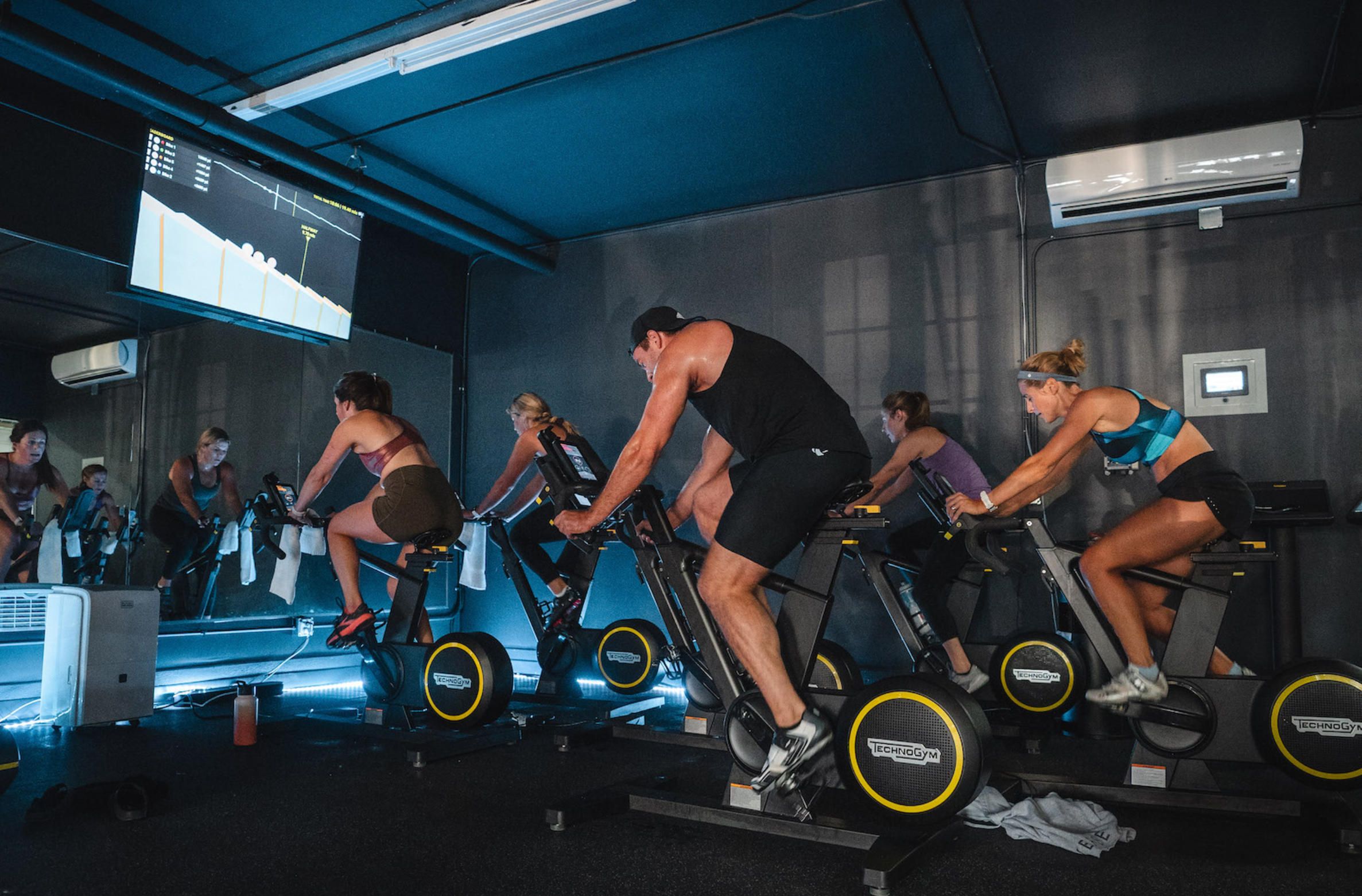
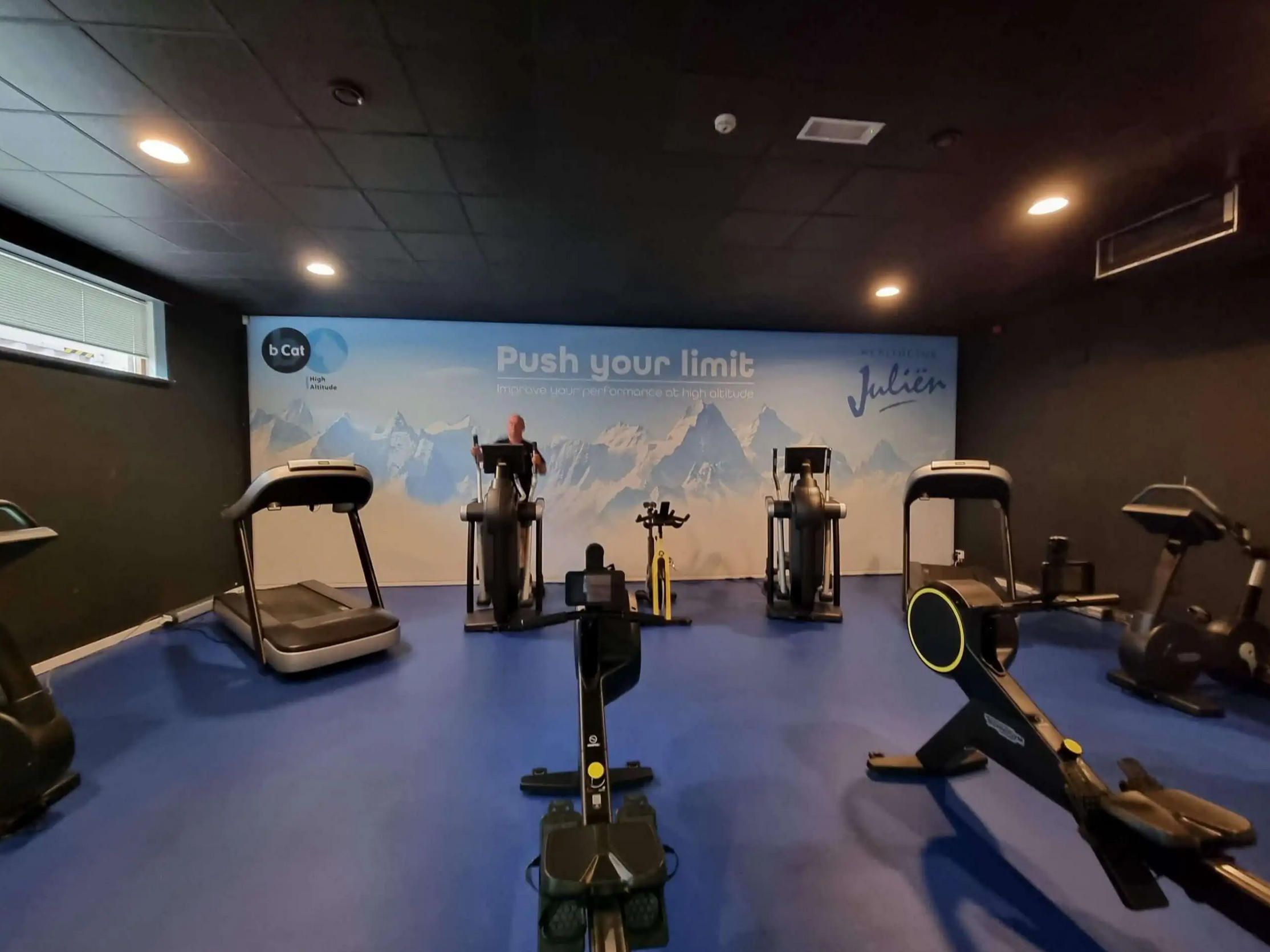
Several facilities and products support altitude training in Denver, but they lack integrated mobile application ecosystems. Traverse Fitness operates the nation's only Altitude Training Studio, a specialized facility where oxygen levels can be manipulated to simulate elevations from sea level to 18,000 feet. This innovative studio offers classes at various simulated elevations, but it functions as a standalone facility without comprehensive mobile tracking of individual adaptation and performance.
General fitness tracking applications like Strava, Garmin Connect, and Apple Fitness record workouts and basic metrics, but they do not account for altitude-specific factors. An athlete running a 7-minute mile pace at sea level typically slows to 7:30 or 8:00 at Denver's elevation due to reduced oxygen availability. Standard fitness apps show this as decreased performance without explaining the altitude effect or tracking adaptation progress.
Wearable devices including Apple Watch, Garmin watches, and Whoop bands measure heart rate, oxygen saturation, and other physiological markers. However, these devices do not provide altitude-adjusted performance analysis, compare current metrics to expected adaptation curves, or offer training recommendations based on altitude physiology.
Athletes serious about altitude training typically work with coaches who manually track adaptation, adjust training plans based on subjective feedback, and estimate when physiological changes have occurred. This process lacks the precision and real-time feedback that mobile technology could provide.
Mobile App Development Opportunities for Altitude Training
A comprehensive Denver mobile app development project focused on altitude training would address multiple user needs across different athletic populations. Personal altitude adaptation tracking represents the core functionality. The app would record baseline physiological metrics measured at sea level or previous altitude, track daily measurements of resting heart rate, oxygen saturation, and perceived exertion during standardized activities, calculate adaptation progress by comparing current metrics to typical adaptation curves, and estimate when full adaptation has occurred based on individual physiology.
This tracking would help athletes understand whether they have acclimated sufficiently for intense training or competition. Research shows that initial adaptation occurs within 2-3 weeks at Denver's elevation, while complete physiological adaptation including maximum red blood cell production requires 4-6 weeks. Individual variation means some athletes adapt faster or slower than average. Personalized tracking would remove guesswork from the adaptation process.
Performance analytics adjusted for altitude would provide athletes with realistic assessment of their training progress. The app would record workouts with pace, power, heart rate, and other metrics, adjust performance expectations based on current altitude and adaptation status, compare altitude-adjusted performance to sea level baseline, and identify when athletes can safely increase training intensity without risking overtraining or altitude sickness.
For example, an athlete running interval training at Denver's elevation would see both their actual pace and their altitude-adjusted equivalent pace. A 6:30 mile at full Denver adaptation might equate to a 6:00 mile at sea level. This altitude-adjusted feedback would prevent the frustration and overexertion that often occurs when athletes push too hard while still adapting.
Real-time training plan adjustments would help athletes maximize altitude training benefits while avoiding common pitfalls. The app would recommend appropriate training intensity based on adaptation status, suggest intervals between high-altitude exposure and recovery, identify when to schedule high-intensity workouts versus easy recovery days, and alert athletes to signs of inadequate adaptation or altitude-related performance decrements.
This adaptive approach would implement the proven "live high, train low" methodology that elite athletes use. By spending time at altitude but conducting some high-intensity workouts at lower elevations, athletes gain adaptation benefits while maintaining training quality. The app could coordinate this strategy by suggesting when to train at different elevations based on the athlete's goals and adaptation timeline.
Integration with wearable devices and fitness platforms would eliminate manual data entry while providing comprehensive analysis. The app would sync with Apple Watch, Garmin, Whoop, Polar, and other devices, import workout data from Strava, TrainingPeaks, and similar platforms, record sleep quality and recovery metrics relevant to altitude adaptation, and export altitude-adjusted performance data to coaching platforms.
Community features would connect athletes training in Denver for similar goals. The app could facilitate group training sessions for athletes at similar adaptation stages, enable knowledge sharing about effective altitude training strategies, provide location-based recommendations for training routes at various elevations within driving distance of Denver, and create competitions or challenges specific to altitude training.
Specialized features would serve different athletic populations. Endurance athletes preparing for marathons, triathlons, or ultra-endurance events would receive VO2 max estimation adjusted for altitude, predictions of sea level race performance based on altitude training, and tapering recommendations that account for altitude deacclimatization timing. Strength athletes would see recommendations for training volume adjustments at altitude, recovery protocols optimized for altitude conditions, and strategies for maintaining strength gains when returning to sea level.
Mountaineers and climbers preparing for high-altitude expeditions would track acclimatization for extreme elevations above 14,000 feet, plan training progressions from Denver to higher Colorado peaks, and assess readiness for Himalayan climbs or other extreme altitude objectives. Recreational fitness enthusiasts new to Denver would receive education about altitude effects on exercise, guidelines for safe training intensity during initial adaptation, and motivation through tracking visible improvement as adaptation occurs.

Custom Denver App Development for Athletic Performance
A-Bots.com specializes in developing custom mobile applications that combine complex data analysis, real-time processing, integration with multiple platforms, and user-friendly interfaces. An altitude training application would require sophisticated technical capabilities beyond basic fitness tracking.
The app would implement validated scientific models of altitude adaptation based on peer-reviewed research. These models would predict expected physiological changes, identify outliers suggesting inadequate adaptation or health concerns, and provide personalized recommendations based on individual response patterns rather than population averages.
Machine learning algorithms would improve predictions over time by analyzing how individual users respond to altitude training, identifying factors that accelerate or slow adaptation for specific athlete types, and refining recommendations based on outcomes. This adaptive intelligence would make the app increasingly valuable as more athletes use it.
Data visualization would present complex physiological information in accessible formats. Athletes would see adaptation progress through clear charts showing improvement over time, understand their current performance through altitude-adjusted metrics displayed alongside raw data, and receive actionable guidance through simple recommendations rather than overwhelming technical detail.
The application would maintain data privacy and security while enabling optional data sharing with coaches, training partners, or medical professionals. Athletes could control exactly what information to share and with whom, while still benefiting from community features and coach integration.
Testing and Quality Assurance for Denver-Specific Applications
Both the National Western Stock Show application and the altitude training app would require comprehensive testing to ensure reliability under real-world conditions. A-Bots.com provides testing and quality assurance services that identify issues before users encounter them.
For the Stock Show application, testing would verify performance under high user load during peak attendance hours, confirm GPS accuracy throughout the National Western Complex campus, validate offline functionality in areas with poor cellular connectivity inside metal buildings, ensure real-time data updates appear quickly across all user devices, and test push notification delivery and timing.
Load testing would simulate thousands of simultaneous users accessing schedules, maps, and auction results during popular events. This testing would identify performance bottlenecks and ensure the app remains responsive when most needed. Location-based testing would verify that wayfinding works accurately throughout the complex and that geofenced notifications trigger at appropriate locations.
For the altitude training application, testing would verify accurate integration with multiple wearable device platforms, confirm correct implementation of altitude adaptation algorithms against published research, validate altitude-adjusted performance calculations across various sports and activities, ensure data synchronization works reliably when devices move between online and offline states, and test the machine learning system with diverse athlete profiles to prevent bias.
Scientific validation would involve comparing the app's altitude adaptation predictions against known physiological responses documented in exercise science literature. Beta testing with athletes of various fitness levels would provide real-world feedback about accuracy and usefulness before public release.
Both applications would undergo security testing to protect user data, accessibility testing to ensure usability for people with disabilities, and compatibility testing across multiple device models and operating system versions. This comprehensive quality assurance process ensures applications work reliably for all users under all conditions.
A-Bots.com: Custom Denver Mobile App Development Expertise
A-Bots.com delivers comprehensive Denver app development services specifically designed for complex, specialized applications that require both technical expertise and domain knowledge. The company's approach emphasizes understanding unique requirements, designing solutions that address real problems rather than implementing generic features, building applications using proven technologies and development methodologies, testing thoroughly to ensure reliability, and supporting applications after launch with updates and improvements.
For organizations considering mobile app development for events, athletic performance, or other Denver-specific applications, A-Bots.com provides both new development and enhancement of existing solutions. The company can develop complete applications from initial concept through launch, enhance existing applications with new features or improved performance, conduct testing and quality assurance for applications built by other developers, provide consulting on mobile technology strategy and implementation planning, and offer ongoing maintenance and support for deployed applications.
The development process begins with discovery workshops where stakeholders define goals, identify users, and establish success criteria. This ensures development work aligns with business objectives rather than producing technically impressive applications that miss strategic targets. A-Bots.com works collaboratively with clients throughout development, providing regular demonstrations and incorporating feedback before finalizing features.
The Business Case for Denver-Specific Mobile Applications
Developing mobile applications for the National Western Stock Show and altitude training represents significant business opportunities beyond the immediate users these apps would serve. Both applications would establish technology platforms that could expand to related markets and use cases.
A National Western Stock Show app could adapt to serve other agricultural events, livestock shows, rodeos, and Western heritage festivals across the country. The technology developed for one major event would scale to serve dozens or hundreds of similar events. Features like livestock tracking, auction integration, and vendor management have broad applicability across the agricultural event industry.
The altitude training application could expand beyond Denver to serve athletes in other high-altitude training locations including Boulder, Colorado Springs, Flagstaff, Albuquerque, and international destinations. Features could extend to serve competitive cycling teams, professional soccer clubs, running clubs, climbing organizations, and military units training for high-altitude operations. The core technology addressing altitude physiology would remain valuable across all these applications.
Both applications would generate revenue through multiple channels including direct sales to individual users, subscription models for advanced features, licensing to event organizations or athletic organizations, advertising or sponsorship from relevant brands, and data licensing to research organizations studying altitude physiology or agricultural economics.
Denver's Unique Position in Mobile App Development
Denver combines characteristics that create unusual opportunities for specialized Denver mobile app development. The city's elevation makes it unique among major American metropolitan areas. No other city with Denver's population and economic activity sits at comparable altitude. This creates a captive market of altitude-training athletes who cannot easily access equivalent training conditions elsewhere.
The National Western Stock Show represents Western heritage and agricultural tradition that persists in Denver despite urban growth. The event's scale, longevity, and economic impact create requirements that smaller agricultural shows cannot justify addressing, while its Denver location provides access to technology expertise and development talent not available in most agricultural regions.
These factors position Denver as an ideal location for developing and testing specialized mobile applications that address niche requirements with substantial user bases. Success in these Denver-specific categories would validate technology approaches that could then scale to serve similar needs in other markets.
Future Directions for Denver App Development
The mobile app opportunities represented by the National Western Stock Show and altitude training exemplify a broader pattern. Denver's unique characteristics create specialized requirements that general-purpose applications do not adequately address. As the city continues growing and diversifying its economy, additional opportunities will emerge.
Denver's craft brewing industry, with over 150 breweries in the metro area, could benefit from specialized applications supporting brewery tours, beer festivals, and homebrewing communities. The city's emerging position as an aerospace hub with companies like Lockheed Martin, Ball Aerospace, and numerous startups creates opportunities for specialized aerospace industry applications. Denver's role as a testing ground for autonomous vehicles and smart city technologies may create requirements for applications supporting these initiatives.
A-Bots.com monitors Denver's evolving technology landscape to identify opportunities where custom mobile app development can deliver measurable value. The company's approach emphasizes solving real problems for specific users rather than creating technology solutions searching for problems to address.
Conclusion: Seizing Denver's Mobile App Development Opportunities
Denver mobile app development opportunities extend far beyond the cannabis and outdoor recreation categories that receive most attention from developers. The National Western Stock Show and altitude training represent substantial, proven markets with clear functional requirements and limited existing solutions.
The Stock Show attracts 660,000 annual visitors generating 171 million dollars in economic impact, yet operates with minimal mobile application support. Developing comprehensive event management, navigation, and engagement tools would serve hundreds of thousands of users while creating a platform that scales to other agricultural events nationwide.
Altitude training represents a scientifically validated performance enhancement method practiced by thousands of athletes in Denver, yet no comprehensive mobile application addresses the unique challenges of tracking adaptation, adjusting training, and maximizing altitude benefits. Developing this application would serve an immediate market in Denver while creating technology applicable to altitude training locations worldwide.
A-Bots.com delivers the custom Denver app development expertise required to transform these opportunities into successful applications. Whether developing new applications, enhancing existing solutions, or providing testing and quality assurance services, the company brings both technical capabilities and strategic understanding to mobile development projects.
For organizations seeking Denver mobile app development services that address real market needs with proven solutions, A-Bots.com provides the experience, expertise, and execution that turn concepts into deployed applications serving thousands of users. Contact A-Bots.com today to discuss how custom mobile app development can support your organization's goals in Denver's dynamic technology ecosystem.
✅ Hashtags
#DenverAppDevelopment
#DenverMobileApps
#StockShowTech
#AltitudeTraining
#LivestockTechnology
#DenverTech
#AgricultureApps
#FitnessAppDevelopment
#EventManagementApps
#DenverInnovation
#CustomAppDevelopment
#AgriculturalTechnology
#AthleticPerformance
#MobileAppDevelopment
Other articles
Agriculture Drone Software Guide 2025 | DJI Terra & Pix4D The ultimate 2025 guide to agriculture drone software for precision farming. Detailed reviews of leading platforms: DJI Terra agriculture for desktop mapping, pix4d agriculture for field-edge processing, DroneDeploy for cloud-based solutions, and Agremo for AI-powered analytics. Hardware coverage includes DJI Mavic 3 Multispectral mapping drones and DJI Agras spray systems. Learn about farm management integration, NDVI mapping, prescription generation, and variable rate applications. A-Bots.com offers custom ag drone software development, testing services, and integration solutions for farms and agricultural cooperatives.
XAG P100 Pro vs DJI Agras T50 - Top Agro Drones Compared This in-depth expert article compares the DJI Agras T50 and XAG P100 Pro — two leading agro drones shaping precision farming in 2025. It explains payload, AI navigation, droplet control, ROI and integration with A-Bots.com software platforms that turn hardware into data-driven farming intelligence.
Madison App Development | Custom Mobile Solutions by A-Bots Madison, Wisconsin has emerged as a dynamic technology ecosystem generating $3.5 billion in economic impact with over 24,000 tech jobs. This guide explores Madison mobile app development opportunities across healthtech, biotech, university research, and the rapidly growing startup scene. Discover how Epic Systems, Google, Microsoft, and innovative startups create diverse demands for custom mobile applications. A-Bots.com provides expert Madison app development services including iOS, Android, and cross-platform solutions, plus comprehensive testing and QA. Learn why Madison's unique combination of academic innovation, healthcare leadership, and emerging technologies demands specialized mobile development expertise.
App Development Boulder, Colorado for IoT and Smart Living Boulder, Colorado stands at the crossroads of nature and innovation — where outdoor living meets intelligent technology. This article explores how A-Bots.com supports Boulder’s ecosystem through IoT-driven mobile app development, sustainability platforms, and research partnerships that transform data, devices, and everyday life into one connected experience.
Top stories

Copyright © Alpha Systems LTD All rights reserved.
Made with ❤️ by A-BOTS