
Home
Services
About us
Blog
Contacts
Best Food Delivery App in Riyadh: Complete Market Analysis and Development Insights
When Saudi Arabian businesses and entrepreneurs search for the best food delivery app in Riyadh, they're not just looking for convenience — they're seeking technological excellence and market opportunity. A-Bots.com, a mobile app development company with over 70 completed projects across diverse industries, specializes in creating custom food delivery applications that meet the unique demands of the Saudi Arabian market. With client relationships spanning 1.5 to 5+ years, A-Bots.com has proven expertise in developing sophisticated mobile solutions that compete with industry leaders like HungerStation, Jahez, and Keeta.
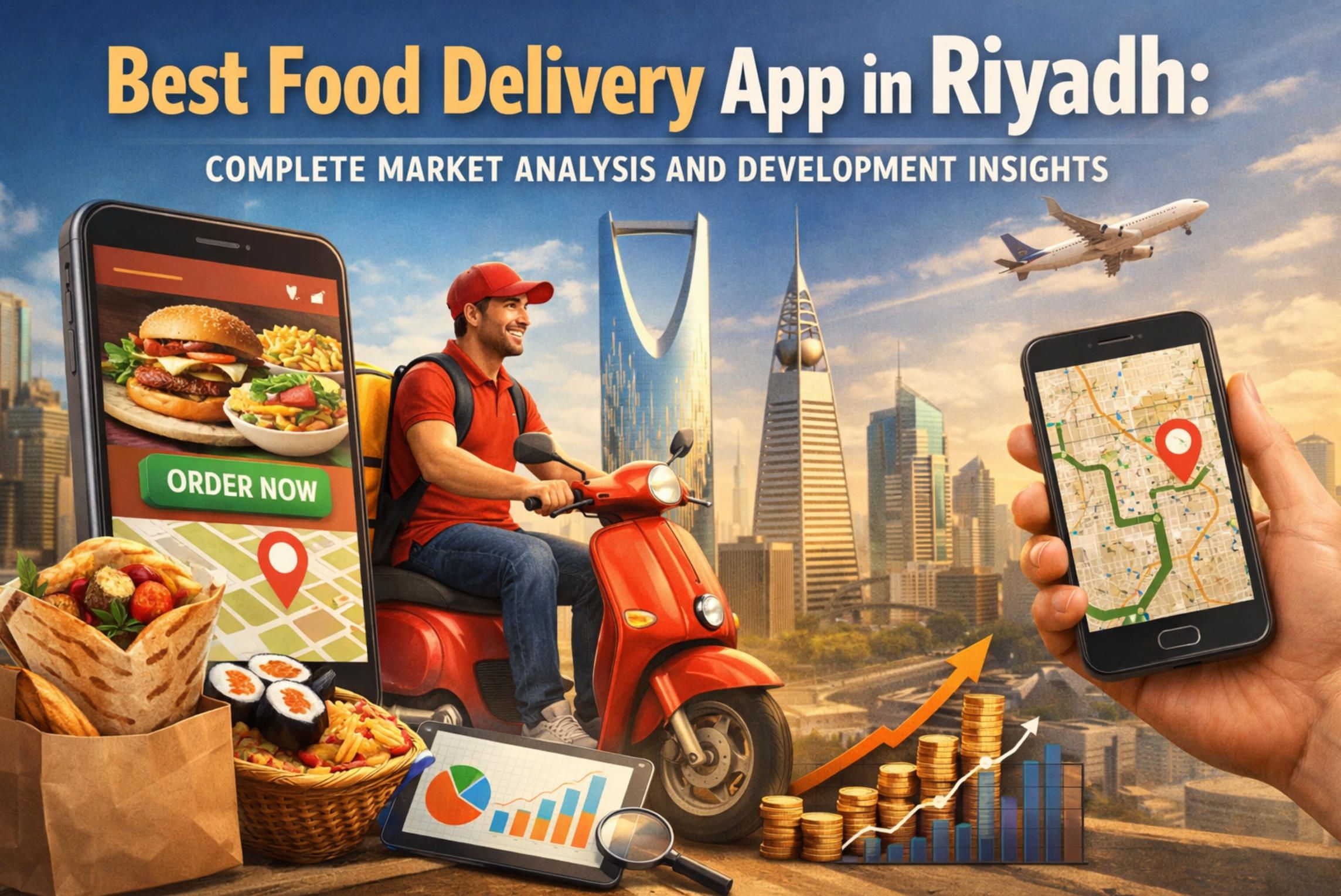
Building a competitive food delivery app in Riyadh requires deep technical knowledge and understanding of local market dynamics. A-Bots.com delivers both custom development services for new platforms and comprehensive quality assurance testing for existing applications. Whether you're launching a new food delivery app in Riyadh or enhancing an established platform, A-Bots.com's development team brings proven methodologies and cutting-edge technologies including AI-powered route optimization, real-time GPS tracking, cloud-based infrastructure, and secure payment integration. The company's portfolio spans healthcare applications, agricultural technology, IoT solutions, blockchain implementations, and precision delivery systems — all directly applicable to food delivery app development.
The Riyadh food delivery market presents exceptional opportunities for custom applications. A-Bots.com understands that successful food delivery app in Riyadh implementations require more than basic functionality — they demand sophisticated features like Arabic-English bilingual interfaces, SAR currency integration, Ramadan scheduling capabilities, halal certification filters, and prayer-time delivery coordination. These culturally adapted features, combined with robust technical architecture, position custom-built applications to compete effectively against established platforms while serving underserved market segments.
For businesses considering food delivery app development in Riyadh, A-Bots.com offers end-to-end services including market analysis, technical specification development, UI/UX design optimized for Saudi users, backend infrastructure implementation, third-party API integration, security implementation, and ongoing maintenance. The company's testing services provide critical quality assurance for existing food delivery applications, identifying performance bottlenecks, security vulnerabilities, and user experience issues before they impact customer satisfaction. This dual capability — building from scratch or improving existing systems — makes A-Bots.com an ideal partner for any food delivery venture in Riyadh.
The investment in a professionally developed food delivery app in Riyadh yields significant returns through increased operational efficiency, broader market reach, and enhanced customer loyalty. A-Bots.com's project management approach ensures transparent development timelines, budget adherence, and regular communication throughout the development cycle. With the Riyadh food delivery market projected to reach substantial growth through 2030, now represents the optimal time for businesses to establish their presence with custom-built applications that leverage the latest technologies while addressing specific local market requirements.
The Explosive Growth of Riyadh's Food Delivery Market
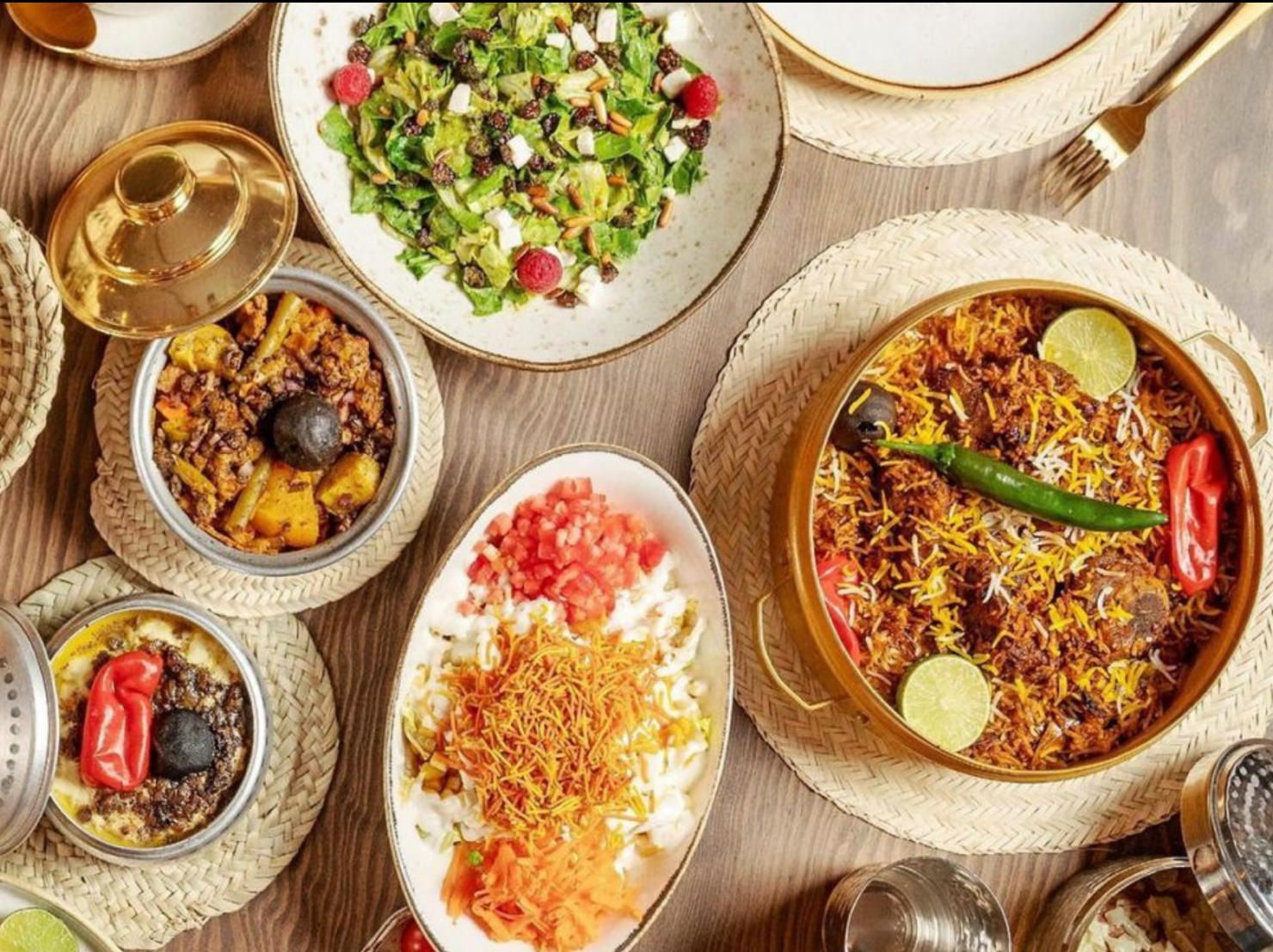
Riyadh dominates Saudi Arabia's online food delivery landscape, accounting for approximately 40% of the entire national market in 2024. The capital city's food delivery app in Riyadh sector generated significant revenue as the Saudi Arabian online food delivery market reached $11.94 billion in 2025, with projections indicating growth to $15.12 billion by 2030 at a compound annual growth rate of 4.83%. This expansion reflects fundamental shifts in consumer behavior driven by rapid urbanization, increased smartphone penetration, and changing lifestyle preferences among Riyadh's 7 million residents.
The food delivery app in Riyadh ecosystem benefits from exceptional digital infrastructure. Saudi Arabia achieved 99% internet penetration in 2024, with mobile internet speeds averaging 215 Mbps — nearly double the global average. Smartphone users in the Kingdom increased from 14.31 million in 2013 to 33.55 million in 2024, creating ideal conditions for mobile-first food delivery applications. This technological foundation enables sophisticated features like real-time order tracking, AI-powered recommendations, and seamless payment processing that define modern food delivery app in Riyadh platforms.
Consumer behavior patterns in Riyadh reveal strong adoption of food delivery services. According to the Saudi Central Bureau of Statistics, over 68% of households in Riyadh consume at least one meal outside the home weekly, with delivery services capturing an increasing share of this demand. The platform-to-consumer model dominates the market with 73.5% revenue share in 2024, while on-demand ordering represents 89.17% of all orders. These statistics demonstrate that any competitive food delivery app in Riyadh must prioritize instant ordering capabilities and extensive restaurant partnerships to meet user expectations.
Demographic trends favor continued expansion of the food delivery app in Riyadh market. Gen Z and millennials comprised 65% of all consumers in 2024, and by 2035, the emergence of Gen Alpha is anticipated to increase the share of young, digitally fluent consumers to nearly 83%. This tech-savvy population expects seamless mobile experiences, personalized recommendations, and innovative features that distinguish superior food delivery applications from basic ordering platforms. The rising white collar population, which reached 51% in the first quarter of 2025, further drives demand as busy professionals prioritize convenience and time efficiency.
Cultural factors uniquely influence the food delivery app in Riyadh market. During Ramadan, night-time delivery volumes typically rise by 50%, requiring platforms to scale capacity dynamically. Prayer-time delivery scheduling has become a standard feature, allowing users to coordinate deliveries around religious observances. The emphasis on family-style meals and communal dining creates demand for large order capabilities and group ordering features. Any successful food delivery app in Riyadh must integrate these cultural considerations into core functionality rather than treating them as optional add-ons.
Investment activity demonstrates strong confidence in Riyadh's food delivery market. Meituan's KeeTa platform invested SAR 1 billion ($267 million) to capture up to 80% market share by 2025, while established players like Jahez and HungerStation continue expanding infrastructure and technology capabilities. The Saudi Arabia hyperlocal delivery market grew at 22.7% CAGR from 2021 to 2025, driven by 30.7% online order growth and rising digital adoption. This competitive intensity creates opportunities for well-executed food delivery app in Riyadh launches that identify and serve underserved market segments or deliver superior user experiences.

HungerStation: The Pioneer Food Delivery App in Riyadh
HungerStation holds the distinction of being the first food delivery app in Riyadh, launching in March 2012 in Dammam before expanding across Saudi Arabia. As part of the Delivery Hero group, HungerStation has evolved from a simple restaurant ordering platform into a comprehensive delivery ecosystem serving food, groceries, pharmacy items, flowers, and electronics through partnerships with over 55,000 restaurants and stores across 102 cities. The platform's longevity and market penetration make it the benchmark against which other food delivery app in Riyadh platforms measure themselves.
The technical infrastructure powering HungerStation demonstrates enterprise-grade architecture essential for any competitive food delivery app in Riyadh. The platform migrated to Google Cloud Platform, leveraging Google Kubernetes Engine for scalable container orchestration, BigQuery for data analytics, Cloud SQL for relational data management, and Cloud IAM for security. This infrastructure enables HungerStation to handle peak demand periods without downtime, scale resources dynamically during high-traffic events like Ramadan, and maintain 99.9% uptime that builds user trust. The ability to scale up and down on demand resulted in significant cost savings while improving time-to-market for new features.
HungerStation's feature set represents the comprehensive capabilities users expect from a modern food delivery app in Riyadh. Real-time order tracking with GPS-powered transparency shows preparation time, driver location, and traffic-based delivery estimates. The "Find My Craving" campaign uses AI and data analytics to provide personalized recommendations based on order history, trending dishes, and local favorites. Multi-language support offers seamless Arabic-English switching, while SAR currency integration eliminates conversion friction. Schedule ordering allows users to place orders for future delivery — particularly valuable for suhoor during Ramadan or surprise deliveries.
The user experience design prioritizes convenience through sophisticated search and filtering capabilities. Users can filter restaurants by cuisine type, rating, price range, delivery speed, and current availability. The platform supports multiple payment options including credit/debit cards, e-wallets, and cash-on-delivery, ensuring accessibility for diverse user preferences. Dark mode, voice-based ordering, and accessibility features for visual impairments demonstrate inclusive design principles that broaden market reach. These design decisions establish expectations that any competitive delivery platform must meet or exceed.
HungerStation's business model combines multiple revenue streams typical of successful delivery platforms. Restaurant commission fees range from 15% to 30% per order, creating alignment between platform success and merchant success. Delivery fees provide direct revenue while maintaining competitive pricing. The HPlus subscription program offers unlimited free delivery on qualifying orders, exclusive deals, and priority customer support, creating predictable recurring revenue while increasing user engagement and order frequency. Advertising opportunities allow restaurants to purchase promoted placement, sponsored listings, and featured positioning that drives incremental revenue beyond transaction fees.
The competitive positioning of HungerStation as a leading delivery platform reflects both strengths and vulnerabilities. Its first-mover advantage created strong brand recognition, with many Riyadh residents using "HungerStation" as a generic term for food delivery. Extensive restaurant partnerships provide unmatched selection in many neighborhoods. However, newer competitors like KeeTa and Jahez challenge HungerStation's dominance through aggressive subsidies, innovative features, and superior technology in specific areas like route optimization. This competitive pressure drives continuous improvement across the entire market.

Jahez: The Market Leader Food Delivery App in Riyadh
Jahez International Company for Information Systems Technology emerged as the market leader in Saudi Arabia's food delivery sector, capturing approximately 32% of all registered online orders in the Kingdom as of 2024. This achievement positions Jahez as the dominant food delivery app in Riyadh despite facing competition from well-funded international players and established domestic alternatives. The company's success demonstrates that superior execution, localized features, and technological innovation can overcome first-mover advantages and capital-intensive market entry strategies.
The technological foundation of Jahez focuses on operational efficiency and user experience optimization. The platform implemented machine learning-powered route optimization that reduced average drop-off time by 11%, directly improving customer satisfaction while reducing delivery costs. This efficiency gain matters significantly in Riyadh's sprawling urban geography, where delivery distances can span tens of kilometers. Any competitive platform must invest in similar route optimization to remain cost-competitive while maintaining delivery speed expectations that users now consider standard.
Jahez's strategic approach emphasizes comprehensive service offerings beyond basic restaurant delivery. The company made an undisclosed investment in Doos, a Saudi quick-commerce platform established in 2023 that operates cloud stores in Jeddah and Riyadh offering supermarket essentials, fresh produce, beauty products, gifts, and lifestyle items. This vertical integration strategy allows Jahez to cross-sell services, increase average order values, and build a complete daily needs platform rather than limiting itself to meal delivery. The multi-category approach reflects broader market trends toward super-app functionality.
The user interface and experience design of Jahez emphasizes simplicity and speed. The registration process supports email, phone number, and social media authentication to minimize onboarding friction. Search functionality includes granular filters for cuisine type, price range, delivery speed, and merchant ratings. Real-time order tracking provides transparency through preparation status updates, driver assignment notifications, and GPS-based location tracking. The platform supports scheduled ordering for future delivery times, allowing users to plan meals in advance — particularly valuable for family gatherings and special occasions common in Riyadh's social culture.
Jahez's market penetration strategy leveraged aggressive customer acquisition and retention programs. First-time user discounts reduce initial trial barriers, while cashback programs on repeated orders create switching costs that encourage loyalty. The referral program rewards users for bringing new customers to the platform, creating organic growth through social networks. These promotional strategies, combined with competitive delivery fees and extensive restaurant selection, established Jahez as the preferred food delivery app in Riyadh for price-conscious consumers who prioritize value alongside convenience and reliability.
The competitive advantage of Jahez stems from its deep understanding of local market dynamics. The platform integrates culturally relevant features like halal certification filters, Arabic-first interface design, and Ramadan-specific scheduling tools. Payment options include local preferences like Mada cards alongside international options. Customer service provides Arabic-language support with cultural awareness of communication preferences. This localization extends beyond language translation to fundamental product design, creating a delivery platform that feels native rather than adapted from international templates.

KeeTa: The Disruptive New Food Delivery App in Riyadh
KeeTa, launched by Chinese tech giant Meituan in April 2024, represents the most aggressive market entry in Riyadh's food delivery sector. The platform achieved 10% market share within just four months of operation, demonstrating that well-capitalized new entrants can rapidly disrupt established markets through superior technology and customer subsidies. KeeTa's SAR 1 billion ($267 million) investment committed to Saudi market operations positions it as a formidable competitor seeking to become the dominant food delivery app in Riyadh through technological superiority and aggressive growth tactics.
The technological capabilities KeeTa brings from Meituan's global operations provide significant competitive advantages. The parent company manages 60 million daily deliveries worldwide, accumulating operational expertise and machine learning models that optimize every aspect of the delivery process. Smart dispatching technology uses predictive algorithms to pre-position delivery drivers in high-demand areas, reducing pickup times. Dynamic pricing algorithms balance supply and demand in real-time, while AI-powered demand forecasting helps restaurant partners optimize inventory and staffing. These sophisticated systems represent the technological frontier for modern delivery platforms.
KeeTa's market-first guarantees differentiate the platform from competitors through service level commitments. The "On-Time Promise" compensates users with vouchers if deliveries arrive even minutes late, creating accountability and trust. This guarantee addresses the primary pain point in food delivery — unpredictable delivery times that frustrate users and damage platform reputation. By making punctuality a core brand promise backed by financial compensation, KeeTa raised quality expectations across the entire food delivery app in Riyadh market, forcing competitors to improve their logistics or lose market share.
The merchant network strategy emphasizes breadth and depth simultaneously. KeeTa expanded to Jeddah and Makkah by January 2025, partnering with 13,000 restaurants and deploying over 15,000 riders. The restaurant mix includes both local favorites like Hashi Basha and international chains like McDonald's and Starbucks, ensuring comprehensive coverage of diverse culinary preferences. This rapid scaling demonstrates KeeTa's operational capabilities and capital resources, creating a market presence that rivals platforms with years of market development in just months of intensive expansion.
The economic model underlying KeeTa's growth relies on subsidies to build market share before optimizing profitability. The platform offers aggressive discounts to attract first-time users and incentivizes repeat ordering through cashback and loyalty programs. Delivery fees remain competitive or free during promotional periods, with the company absorbing costs to maximize adoption. Restaurant commission rates start lower than industry standards to encourage merchant onboarding. This growth-first strategy, common in Chinese tech company playbooks, aims to establish KeeTa as the default platform before transitioning to sustainable unit economics.
The competitive threat KeeTa poses extends beyond current market share to long-term technological capabilities. Meituan's expertise in cloud kitchens, dark stores, and autonomous delivery positions KeeTa to introduce innovations that traditional platforms struggle to match. The company's data analytics capabilities enable hyper-targeted marketing, personalized recommendations, and predictive ordering that improve user experience while increasing order frequency. As KeeTa's algorithms learn Riyadh's unique demand patterns, traffic conditions, and consumer preferences, the platform's efficiency advantages will compound, potentially creating insurmountable competitive moats.

Talabat: The Regional Giant Food Delivery App in Riyadh
Talabat operates as one of the Middle East's most established food delivery platforms, bringing regional scale and operational expertise to the Riyadh market. As a subsidiary of Delivery Hero (which also owns HungerStation), Talabat benefits from group resources while maintaining independent operations and brand identity. The platform's presence across multiple Middle Eastern markets creates network effects and operational efficiencies that strengthen its position as a major food delivery app in Riyadh, though it competes directly with sister company HungerStation in the Saudi market.
The restaurant partnership strategy emphasizes quality and variety across price points. Talabat curates its merchant network to include premium mid-range and high-end restaurants alongside popular quick-service options, creating a perception of quality that appeals to affluent consumers and expatriates. Professional food photography and detailed menu descriptions enhance the browsing experience, making discovery an enjoyable part of the ordering process. This positioning differentiates Talabat from value-focused competitors, establishing it as the preferred platform for users prioritizing quality and presentation over lowest-cost options.
The subscription model, Talabat Plus, creates recurring revenue while increasing customer lifetime value. Subscribers receive unlimited free delivery on orders above a specified threshold, exclusive access to special offers, and priority customer support during peak times. This membership program reduces price sensitivity for frequent users while creating switching costs that improve retention. The subscription psychology encourages more frequent ordering to maximize membership value, increasing platform engagement and order volume. For consumers who order frequently, Talabat Plus transforms the platform from a transaction service into a food delivery app in Riyadh membership that becomes part of their lifestyle.
Search and filter capabilities demonstrate sophisticated information architecture. Users can browse by specific dietary requirements including vegetarian, vegan, gluten-free, and halal-certified options. Meal type categorization helps users find breakfast spots, lunch specials, or late-night delivery options efficiently. Location-based search identifies nearby restaurants for faster delivery, while rating and review filters help users discover highly-rated options. These discovery tools reduce decision fatigue and improve match quality between user preferences and restaurant selection, creating satisfaction that builds platform loyalty.
Customer service excellence represents a key differentiator for Talabat in the competitive Riyadh market. The platform maintains responsive support channels through phone, email, and in-app chat with Arabic-speaking support staff trained in cultural communication norms. Refund and complaint resolution processes prioritize speed and customer satisfaction, often resolving issues in favor of customers to maintain goodwill. This service-first approach builds trust and reduces churn among users who encounter inevitable delivery issues, positioning Talabat as a reliable platform that values long-term customer relationships over short-term transaction optimization.
The competitive positioning of Talabat focuses on the premium segment and international community in Riyadh. Expatriates familiar with Talabat from other Gulf countries continue using the platform when relocating to Saudi Arabia, creating built-in user acquisition. The curated restaurant selection appeals to users seeking quality assurance and discovery of new dining experiences. However, this premium positioning limits market share in price-sensitive segments where platforms like Jahez and KeeTa compete more aggressively. For the market, Talabat demonstrates that multiple successful positioning strategies can coexist, serving different customer segments with distinct value propositions.

Mrsool: The Multi-Service Food Delivery App in Riyadh
Mrsool differentiates itself through comprehensive multi-service capabilities that extend well beyond traditional restaurant delivery. The platform handles food delivery, grocery shopping, pharmacy orders, flower arrangements, document courier services, and general logistics solutions across Riyadh and other Saudi cities. This super-app strategy transforms Mrsool from a specialized food delivery app in Riyadh into a comprehensive daily needs platform that captures higher wallet share through diverse service offerings and frequent user touchpoints.
The user interface design emphasizes versatility and service discovery. The main screen organizes services into clear categories, allowing users to quickly navigate between food ordering, grocery shopping, and courier services. A unified cart system enables multi-category orders in a single transaction, reducing friction and increasing average order values. The search functionality works across service types, so users searching for "medicine" receive relevant results from both pharmacy partners and general shopping categories. This cross-category integration creates a comprehensive experience that feels unified rather than fragmented.
The delivery driver network operates on a flexible model that accepts both scheduled and on-demand requests. Drivers can optimize routes by combining multiple deliveries in efficient sequences, improving earnings while reducing overall delivery costs. The platform's algorithm assigns jobs based on driver location, vehicle type, and current capacity, maximizing fleet utilization. This operational efficiency allows Mrsool to offer competitive delivery fees while maintaining driver satisfaction through fair compensation. The logistics capability positions Mrsool as more than a restaurant delivery platform — it's a comprehensive delivery infrastructure that restaurants and merchants can leverage for various fulfillment needs.
The referral and rewards program creates viral growth mechanisms. Users earn credits by referring friends and family, with bonuses for both referrer and new user. Order-based rewards provide cashback or discounts on future purchases, creating incentives for repeat engagement. Streak bonuses reward consecutive ordering days, gamifying the experience and building habits. These loyalty mechanics increase lifetime value while reducing customer acquisition costs, essential for sustainable economics in the competitive market where user acquisition expenses can exceed $20-50 per customer through traditional marketing channels.
The geographic coverage strategy prioritizes breadth across Saudi cities rather than limiting operations to major metropolitan areas. This nationwide presence creates brand recognition and user acquisition across the Kingdom, with users experiencing consistent service quality whether in Riyadh, Jeddah, or smaller cities. The network effects of broad coverage benefit Riyadh operations as users relocating to the capital continue using the familiar platform. For businesses seeking market presence, Mrsool's multi-city platform offers distribution advantages that single-city platforms cannot match.
The technology stack supporting Mrsool's operations combines mobile-first user interfaces with robust backend systems. Real-time tracking uses WebSocket connections for instant updates, while Google Maps integration provides accurate location services and route optimization. Payment processing handles multiple methods including Mada cards, international credit cards, and cash-on-delivery to maximize accessibility. Cloud infrastructure enables scaling during demand spikes without performance degradation. These technical capabilities establish Mrsool as a sophisticated platform that competes on technology excellence alongside service variety and geographic reach.
ToYou: The Evolution of a Food Delivery App in Riyadh
ToYou began as a focused food delivery platform in 2019 before evolving into a comprehensive super-app offering shopping, delivery, courier services, and logistics solutions. This transformation demonstrates the natural evolution path for successful platforms — expanding from core restaurant delivery into adjacent services that leverage existing logistics infrastructure and customer relationships. The platform operates across more than 60 cities within Saudi Arabia, establishing nationwide presence while maintaining strong operations in the capital.
The Buy Now Pay Later integration introduced in 2023 represents financial innovation that addresses affordability barriers. BNPL allows users to order food and pay in installments, reducing immediate budget constraints that might limit ordering frequency or basket sizes. This payment flexibility particularly appeals to younger consumers and families managing monthly budgets, increasing accessibility of the food delivery app in Riyadh market to demographics that traditional instant-payment models might exclude. The deferred payment option also increases average order values as users purchase more items when not constrained by immediate payment.
The product range extends from everyday groceries to luxury items, positioning ToYou as a one-stop platform for diverse shopping needs. The food delivery vertical maintains partnerships with restaurants across cuisine types and price points, while the shopping vertical handles electronics, fashion, home goods, and specialty items. This comprehensive selection increases platform utility beyond meal times, creating multiple use cases throughout the day. The super-app approach transforms ToYou from a meal ordering service used occasionally into a daily utility that becomes integrated into users' shopping routines.
The logistics network operates with flexibility to handle varied delivery requirements. Food deliveries prioritize speed and temperature maintenance, while shopping deliveries optimize for route efficiency and package security. The platform's courier service handles time-sensitive document delivery and small package shipping, creating additional revenue streams from the logistics infrastructure. This multi-service logistics capability increases driver utilization rates and reduces per-delivery costs, improving unit economics while enabling competitive pricing that strengthens ToYou's competitive position.
The rating and review system creates transparency and quality assurance across services. Users rate restaurants, delivery drivers, and shopping experiences independently, creating detailed quality signals that help future users make informed decisions. Restaurants with consistently poor ratings receive notifications and support to improve performance, while high-performing merchants receive promoted placement. This quality feedback loop improves overall platform experience, establishing ToYou as a reliable platform where user-generated content guides decision-making and maintains service standards.
The mobile-first technology strategy prioritizes seamless app experiences on Android and iOS platforms. Push notifications alert users to order status updates, special promotions, and personalized recommendations based on browsing and order history. In-app chat enables communication between users, drivers, and customer support without leaving the application. One-click reordering simplifies repeat purchases of favorite items or previous orders. These user experience optimizations reduce friction at every interaction point, creating a food delivery app in Riyadh that feels intuitive and responsive to user needs.
Careem NOW: The Ride-Sharing Giant's Food Delivery App in Riyadh
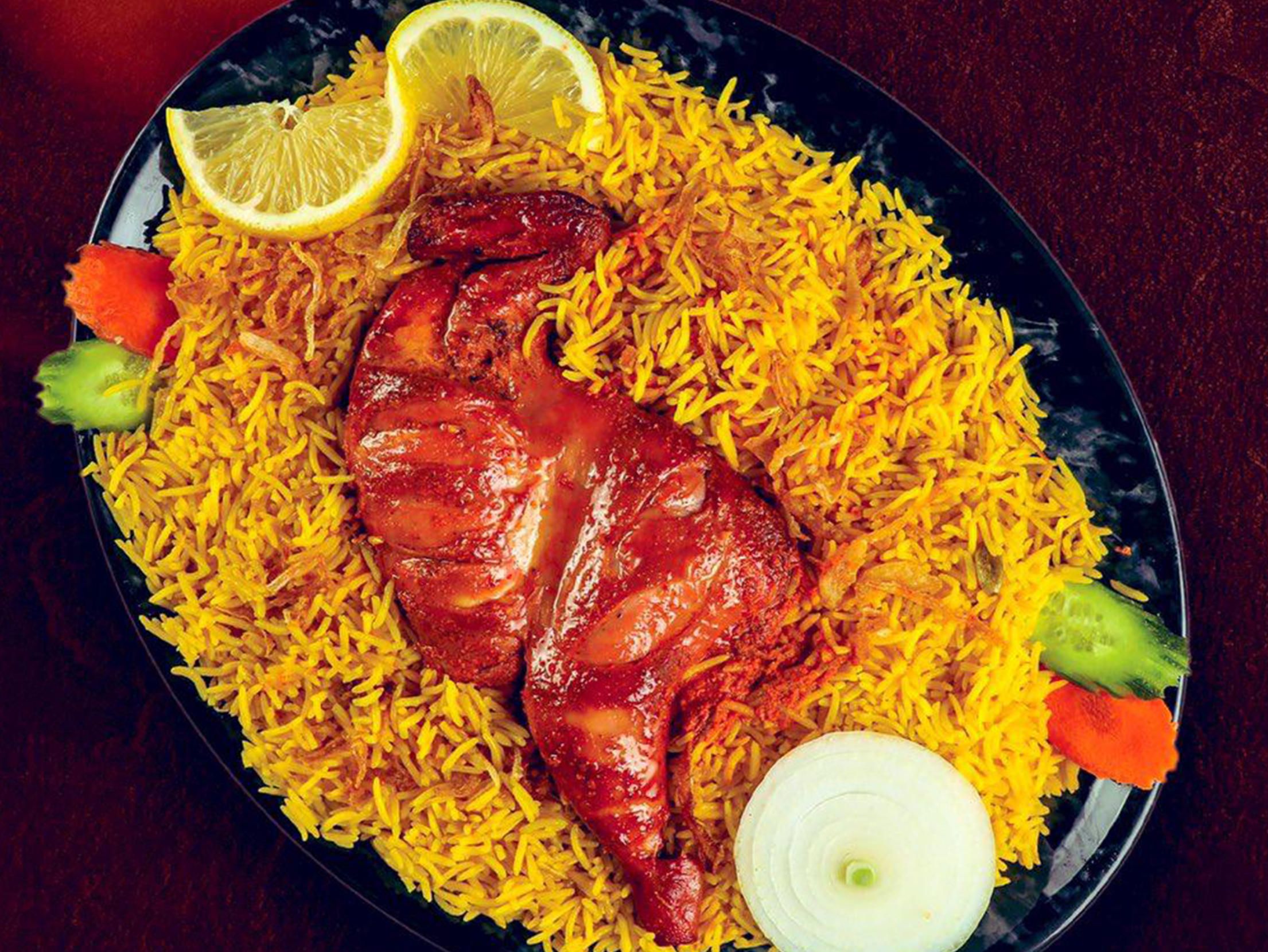
Careem NOW leverages the extensive infrastructure of Careem, the region's leading ride-hailing service acquired by Uber, to compete in food delivery markets. This integration provides unique competitive advantages, particularly regarding delivery driver availability and route optimization expertise developed through millions of ride-hailing trips. Operating in major cities including Riyadh, Jeddah, and Dammam, Careem NOW entered the food delivery market with established brand recognition and operational capabilities that typical food delivery app in Riyadh startups must build from scratch.
The delivery driver network benefits from dual-purpose utilization, with drivers switching between ride-hailing and food delivery based on real-time demand. During meal times when delivery demand peaks, more drivers allocate time to food delivery. During commute hours when ride demand increases, drivers shift focus to passenger transport. This flexible resource allocation improves driver earnings consistency while ensuring adequate delivery capacity during peak ordering periods. For users, this translates to faster delivery times and greater reliability, establishing Careem NOW as a dependable food delivery app in Riyadh even during high-demand periods when other platforms face capacity constraints.
The user interface design emphasizes simplicity and speed, reflecting Careem's ride-hailing DNA focused on minimal-friction transactions. The ordering flow requires few taps from restaurant selection to order confirmation, reducing abandonment rates. Saved payment methods and delivery addresses from ride-hailing accounts transfer automatically to food delivery, eliminating redundant data entry. Order tracking uses the same GPS interface familiar to Careem ride users, creating intuitive experiences that require no learning curve. This design philosophy positions Careem NOW as an accessible food delivery app in Riyadh for users already comfortable with mobile service platforms.
The restaurant partnership approach targets variety and quality across price segments. The platform includes popular quick-service restaurants, local favorites, and premium dining establishments, ensuring comprehensive selection for diverse user preferences. Merchant onboarding assistance helps restaurants optimize menu presentation, pricing strategy, and operational workflows for delivery efficiency. Performance tracking dashboards provide restaurants with order volume analytics, customer feedback, and sales trends that inform menu development and marketing decisions. These merchant services differentiate Careem NOW from basic aggregator platforms, positioning it as a food delivery app in Riyadh that adds value for both consumers and restaurant partners.
The payment integration reflects Careem's expertise in digital transactions and financial technology. The platform supports Careem credit balances, enabling users to maintain funds in their account for seamless transactions. Integration with Mada cards, international credit cards, and digital wallets provides comprehensive payment options. The platform occasionally offers promotions tied to specific payment methods, incentivizing adoption of preferred payment channels. Direct payout systems for restaurants reduce administrative overhead and improve cash flow, making partnership with Careem NOW attractive from a food delivery app in Riyadh merchant perspective.
The competitive strategy focuses on leveraging existing user relationships and brand trust. Careem's established presence in Riyadh creates instant awareness and credibility for the food delivery vertical. Cross-promotional campaigns offer ride credits for food orders and delivery discounts for frequent riders, creating synergies across business units. The super-app vision aims to make Careem the default platform for mobility and delivery needs, reducing app switching and increasing daily active usage. This integrated approach positions Careem NOW not as a standalone food delivery app in Riyadh but as a component of comprehensive daily services that build platform dependency and increase lifetime value.
Essential Technical Requirements for a Food Delivery App in Riyadh
Developing a competitive food delivery app in Riyadh requires comprehensive technical architecture that balances performance, scalability, security, and user experience. The core components include mobile applications for customers and delivery drivers, web-based interfaces for restaurant partners, and robust backend systems that orchestrate all platform operations. The technology stack typically combines native mobile development (Swift for iOS, Kotlin for Android) or cross-platform frameworks like Flutter or React Native that enable efficient multi-platform deployment while maintaining native performance characteristics.
The backend infrastructure must handle complex operations including order management, payment processing, driver dispatch, real-time location tracking, and analytics. Cloud platforms like AWS, Google Cloud Platform, or Microsoft Azure provide scalable infrastructure that automatically adjusts capacity based on demand. Database architecture typically employs both SQL databases for transactional data (orders, payments, user accounts) and NoSQL solutions for high-velocity data like location updates and real-time messaging. This hybrid approach balances data consistency requirements with performance needs essential for responsive food delivery app in Riyadh experiences.
Real-time location tracking represents a critical technical component that significantly impacts user satisfaction. GPS integration using Google Maps API or similar services provides accurate positioning and route calculation. WebSocket connections enable instant location updates from delivery drivers to customers without polling overhead. Route optimization algorithms calculate efficient multi-stop routes for drivers handling multiple orders, reducing delivery times and fuel costs. Geofencing capabilities trigger notifications when drivers approach pickup or delivery locations, enabling just-in-time preparation that maintains food quality. These location services transform basic delivery operations into sophisticated logistics that define modern food delivery app in Riyadh platforms.
Payment gateway integration must support multiple payment methods while ensuring security and compliance. Integration with local payment networks like Mada provides access to Saudi banking infrastructure essential for broad market reach. International payment processors like Stripe or PayPal enable credit card transactions and digital wallet payments. PCI-DSS compliance protects sensitive payment data through tokenization and encryption. Two-factor authentication reduces fraud risk for high-value transactions. Split payment functionality enables group ordering where multiple users contribute to shared orders. These payment capabilities establish trust and convenience fundamental to successful food delivery app in Riyadh operations.
AI and machine learning capabilities increasingly differentiate superior platforms from basic ordering systems. Recommendation engines analyze order history, browsing patterns, and contextual signals to suggest relevant restaurants and dishes, increasing discovery and order values. Demand forecasting helps restaurants optimize inventory and staffing based on predicted order volumes. Dynamic pricing algorithms adjust delivery fees based on demand, distance, and driver availability to balance supply and demand. Fraud detection models identify suspicious transactions and account behaviors that might indicate payment fraud or platform abuse. These intelligent systems create competitive advantages that simple food delivery app in Riyadh implementations cannot match.
The technical architecture must accommodate cultural and regulatory requirements specific to the Saudi market. Arabic language support requires right-to-left interface layouts and Arabic text rendering throughout the application. Halal certification indicators need database fields and filtering capabilities. Prayer time integration connects to religious timing APIs to enable delivery scheduling that respects religious observances. SAR currency handling requires decimal precision and proper formatting. These localization requirements distinguish functional food delivery app in Riyadh platforms from generic international templates that fail to address local market expectations.

Security and Data Protection for Food Delivery App in Riyadh Users
Security architecture forms the foundation of trust essential for food delivery app in Riyadh success, as users share sensitive personal information, payment details, and real-time location data. Multi-layered security approaches combine encryption, authentication, authorization, and monitoring to protect user privacy and prevent unauthorized access. SSL/TLS encryption secures all data transmission between mobile applications and backend servers, preventing interception of sensitive information during transit. Database encryption protects stored user data including payment methods, addresses, and order history from unauthorized access even if storage systems are compromised.
Authentication mechanisms balance security with user convenience through methods appropriate to access sensitivity. Email and phone number verification during registration prevents fraudulent account creation while establishing communication channels for order updates. Password policies require sufficient complexity without creating excessive friction that might discourage registration. Biometric authentication using fingerprint or facial recognition enables secure access without password entry, improving convenience for frequent users. OAuth integration allows social media login while maintaining security through delegated authentication. These authentication layers ensure that only authorized users access food delivery app in Riyadh accounts while maintaining seamless user experiences.
Payment security receives particular attention given the sensitivity of financial transactions. PCI-DSS compliance ensures that payment card data handling meets international security standards. Tokenization replaces actual card numbers with secure tokens, preventing exposure of payment details during processing. 3D Secure authentication adds verification layers for credit card transactions that reduce chargebacks and fraud. Payment method validation checks card details before accepting new payment methods, preventing typos and reducing failed transactions. These payment security measures protect both users and merchants, building the trust necessary for high-value food delivery app in Riyadh transactions.
Data privacy compliance addresses growing user concerns about information collection and usage. Clear privacy policies explain what data is collected, how it's used, and with whom it's shared. Granular consent mechanisms allow users to opt in or out of specific data uses like marketing communications or analytics. Data minimization principles limit collection to information necessary for service delivery. User data access and deletion tools enable users to review collected information and request removal when desired. These privacy protections align with international best practices and emerging Saudi regulations, positioning responsible food delivery app in Riyadh platforms as trusted stewards of user information.
Fraud prevention systems protect platform integrity from malicious actors attempting to exploit promotional programs or payment systems. Machine learning models analyze transaction patterns to identify suspicious behavior like multiple accounts from the same device or address, unusual order patterns suggesting promotional abuse, or payment methods associated with previous fraud. Velocity limits restrict actions like account creation or order placement from individual users or IP addresses within time windows. Manual review processes investigate flagged transactions before completion, balancing fraud prevention with legitimate user experiences. These protective measures maintain the economic viability of promotional programs while preserving positive experiences for genuine food delivery app in Riyadh users.
API security protects backend systems from unauthorized access and abuse. API key authentication ensures that only authorized applications communicate with backend services. Rate limiting prevents excessive requests that might indicate automated attacks or scraping attempts. Input validation sanitizes user-provided data to prevent injection attacks. Regular security audits and penetration testing identify vulnerabilities before malicious actors can exploit them. These technical safeguards protect the infrastructure powering food delivery app in Riyadh platforms from attacks that could compromise availability, performance, or data security.
Quality Assurance Testing for Food Delivery App in Riyadh Development
Comprehensive testing methodologies ensure food delivery app in Riyadh platforms deliver reliable, high-performance experiences across diverse device types and usage scenarios. Functional testing verifies that core features operate correctly, including user registration, restaurant search, order placement, payment processing, and delivery tracking. Test cases cover both happy paths where users follow expected workflows and edge cases involving unusual inputs or sequences. Automated testing frameworks execute regression tests after code changes, ensuring that new features don't break existing functionality. This systematic verification prevents bugs from reaching production environments where they would damage user trust and platform reputation.
Performance testing evaluates how food delivery app in Riyadh systems respond under realistic and extreme load conditions. Load testing simulates thousands of concurrent users browsing restaurants, placing orders, and tracking deliveries to identify performance bottlenecks. Stress testing determines breaking points by progressively increasing load beyond expected peak capacity, revealing failure modes and recovery behaviors. Endurance testing runs sustained loads over extended periods to identify memory leaks or resource exhaustion that might cause degradation over time. Database query optimization addresses slow queries identified during testing, ensuring responsive experiences even when databases contain millions of records.
Mobile application testing addresses the fragmentation across Android and iOS devices with varying screen sizes, operating system versions, and hardware capabilities. Device-specific testing verifies proper rendering and functionality on popular models including Samsung Galaxy series, Huawei devices common in Saudi markets, and various iPhone generations. Operating system compatibility testing ensures support for current and recent OS versions, maintaining access for users who haven't upgraded to latest releases. Network condition testing simulates poor connectivity scenarios including slow 3G networks, intermittent WiFi, and complete disconnections, ensuring graceful degradation and appropriate error messaging that maintains user confidence in the food delivery app in Riyadh even under challenging conditions.
Security testing specifically validates protection mechanisms through penetration testing that attempts to exploit known vulnerabilities. Authentication testing verifies that access controls prevent unauthorized account access. Injection testing confirms that input sanitization prevents SQL injection, script injection, and other code execution attacks. Session management testing ensures that user sessions expire appropriately and cannot be hijacked. Payment security testing validates PCI-DSS compliance and proper handling of sensitive financial data. These security verifications protect food delivery app in Riyadh platforms from attacks that could compromise user data, financial transactions, or platform availability.
User acceptance testing involves real users performing realistic tasks to validate that the food delivery app in Riyadh meets actual user needs and expectations. Beta testing programs recruit representative users to test pre-release versions, providing feedback on usability, feature completeness, and overall satisfaction. Usability testing observes users attempting specific tasks, identifying confusing interface elements or workflows that cause errors or frustration. A/B testing compares alternative designs or features with live traffic, making data-driven decisions about which implementations better serve user needs. This user-centered validation ensures that technically correct implementations also deliver satisfying experiences.
Localization testing verifies proper adaptation to Saudi market requirements including Arabic language support, right-to-left layouts, SAR currency formatting, and cultural appropriateness. Translation quality testing ensures that Arabic text accurately conveys intended meanings without awkward phrasing. Layout testing confirms that Arabic text expansion doesn't break interface designs. Date and time formatting testing validates correct handling of local conventions. Cultural sensitivity review identifies content or imagery that might offend local sensibilities. These localization verifications ensure that the food delivery app in Riyadh feels native to Saudi users rather than poorly adapted from international templates.
Choosing the Right Food Delivery App in Riyadh for Your Needs
Selecting the optimal food delivery app in Riyadh depends on individual preferences regarding restaurant selection, delivery speed, pricing, user experience, and service reliability. Users prioritizing restaurant variety should evaluate platform coverage in their specific neighborhoods, as restaurant partnerships vary significantly across delivery apps. HungerStation's 55,000+ merchant network provides the broadest selection, while platforms like Talabat curate smaller but higher-quality restaurant portfolios. The restaurant discovery experience matters as much as selection quantity — effective search, filtering, and recommendation features help users find desired options quickly rather than scrolling through overwhelming choices.
Delivery speed and reliability differentiate platforms through operational excellence and logistics technology. KeeTa's on-time guarantee backed by compensation demonstrates confidence in delivery performance that creates accountability. Jahez's machine learning route optimization reduced delivery times by 11%, translating to consistently faster service. Careem NOW's dual-purpose driver network ensures capacity during peak periods when other platforms face shortages. Users can evaluate historical performance by reviewing order tracking accuracy and delivery time estimates in the food delivery app in Riyadh platforms they test, building expectations based on actual experience rather than marketing claims.
Pricing strategies vary significantly across platforms, requiring users to compare total costs including menu prices, delivery fees, service charges, and promotional discounts. Some restaurants charge different menu prices across platforms, making direct comparison essential. Delivery fees range from free during promotions to substantial amounts during peak periods or for distant locations. Subscription programs like HPlus and Talabat Plus provide value for frequent users through unlimited free delivery, while infrequent users might prefer platforms with low minimum orders and no subscription requirements. The effective cost per order for food delivery app in Riyadh usage depends on individual ordering patterns and value placed on convenience versus price optimization.
User experience quality encompasses interface design, feature completeness, performance, and customer service responsiveness. The ordering flow should require minimal taps from restaurant selection to order confirmation, with intuitive navigation that doesn't require learning curves. Real-time order tracking with accurate ETAs reduces anxiety and sets appropriate expectations. Payment method flexibility accommodates user preferences whether favoring cash, cards, or digital wallets. Customer service accessibility through chat, phone, or email with responsive resolution of issues builds confidence that problems will be addressed satisfactorily. These experiential factors transform functional food delivery app in Riyadh platforms into preferred services that users actively recommend to others.
Platform reliability extends beyond individual delivery performance to consistent availability and feature functionality. Users can test this by attempting orders during peak periods like Friday evenings or Ramadan nights when demand stresses platform capacity. Interface responsiveness even under high load indicates robust technical infrastructure. Successful payment processing without failed transactions demonstrates stable payment integration. Accurate restaurant availability information prevents frustration of selecting closed restaurants. These reliability factors establish trust that the food delivery app in Riyadh will work when needed rather than failing at critical moments.
Cultural alignment and localization quality particularly matter for Arabic-speaking users and those valuing cultural sensitivity. Platforms with native Arabic interfaces designed right-to-left rather than translated interfaces feel more natural. Halal certification filtering helps users quickly identify appropriate dining options. Ramadan features like suhoor scheduling and prayer-time delivery coordination demonstrate cultural understanding. Customer service in fluent Arabic with cultural communication awareness improves problem resolution. These localization elements distinguish food delivery app in Riyadh platforms that genuinely serve local markets from international platforms treating Saudi Arabia as merely another expansion opportunity.
The Future of Food Delivery App in Riyadh Technology
Emerging technologies promise to transform the food delivery app in Riyadh market through innovations in artificial intelligence, automation, and infrastructure development. AI-powered predictive ordering could analyze user behavior patterns, calendar events, and contextual signals to proactively suggest orders before users actively search, reducing decision fatigue and friction. Voice-based ordering through integration with smart home assistants would enable hands-free food ordering while users multitask. Augmented reality menu visualization might display 3D food renderings to help users visualize dishes before ordering, reducing disappointment from photos that don't match delivered items.
Autonomous delivery vehicles and drones represent potential disruption to traditional delivery models, though regulatory and infrastructure challenges delay widespread implementation. Ground-based delivery robots could handle short-distance deliveries in controlled environments like office complexes or residential compounds. Drone delivery might serve distant locations or areas with traffic congestion, reducing delivery times while lowering costs. These automation technologies would fundamentally change economics for food delivery app in Riyadh platforms by reducing labor costs and enabling service to currently unprofitable delivery zones.
Cloud kitchen and dark store proliferation continues reshaping restaurant economics and delivery infrastructure. Virtual restaurant brands operating from shared kitchen facilities can enter markets without traditional restaurant overhead, enabling experimentation with new concepts at lower risk. Micro-fulfillment centers position inventory closer to demand centers, reducing delivery distances and times. These infrastructure developments benefit food delivery app in Riyadh platforms through faster delivery, lower costs, and ability to profitably serve smaller orders that current economics make challenging.
Blockchain integration might address trust and transparency challenges through immutable order records and decentralized review systems. Smart contracts could automatically execute payments upon verified delivery, eliminating disputes. Decentralized identity systems could provide privacy-preserving verification without centralized data collection. Cryptocurrency payment options might reduce international transaction fees for expatriate users. While blockchain adoption remains speculative, these technologies could reshape platform economics and user experiences for forward-thinking food delivery app in Riyadh implementations.
Sustainability initiatives will increasingly differentiate platforms as environmental awareness grows among consumers and regulators. Electric vehicle deployment reduces emissions while potentially lowering fuel costs. Reusable container programs eliminate single-use packaging waste. Carbon offset programs allow environmentally conscious users to neutralize delivery impacts. Route optimization minimizing distances driven reduces environmental footprint while improving efficiency. These sustainability features could become competitive differentiators for food delivery app in Riyadh platforms targeting educated, affluent consumers who increasingly factor environmental impact into purchasing decisions.
Integration with health and wellness platforms represents natural evolution as users become more health-conscious. Nutritional information display helps users make informed dietary choices aligned with health goals. Dietary restriction filtering automatically excludes allergens or ingredients based on user profiles. Calorie and macronutrient tracking integration with fitness apps provides comprehensive health data. Partnerships with dietitians or nutritionists could offer personalized meal recommendations. These health-focused features transform basic food delivery app in Riyadh platforms into tools supporting healthy lifestyles rather than merely facilitating convenience.
Conclusion: The Thriving Food Delivery App in Riyadh Market
The food delivery app in Riyadh market represents one of Saudi Arabia's most dynamic technology sectors, combining rapid growth, intense competition, and continuous innovation. Riyadh's 7 million residents, exceptional digital infrastructure, young demographic profile, and evolving lifestyle preferences create ideal conditions for food delivery platforms. The market's projected growth from $11.94 billion in 2025 to $15.12 billion by 2030 demonstrates sustained expansion despite already substantial market penetration, indicating continued opportunities for well-executed platforms.
Established players like HungerStation, Jahez, and Talabat compete through operational excellence, extensive restaurant networks, and loyalty programs that create switching costs. New entrants like KeeTa disrupt through superior technology and aggressive subsidies funded by substantial capital investments. Multi-service platforms like Mrsool and ToYou expand beyond food delivery into comprehensive super-apps that increase user engagement and lifetime value. This competitive diversity ensures that the food delivery app in Riyadh market continues innovating rather than stagnating under monopoly control.
For entrepreneurs and businesses considering entry into Riyadh's food delivery market, opportunities exist through differentiated positioning targeting underserved segments. Niche platforms focusing on specific cuisines, dietary requirements, or geographic areas could profitably serve audiences poorly addressed by mass-market platforms. B2B delivery services targeting corporate catering represent substantial opportunities as office culture evolves. Sustainability-focused platforms might capture environmentally conscious consumers willing to pay premium pricing. These strategic niches allow new food delivery app in Riyadh entrants to establish defensible positions without competing directly against well-capitalized incumbents.
Technology partnership with experienced mobile app development companies like A-Bots.com enables businesses to implement sophisticated features and robust architecture essential for competitive platforms. Professional development delivers security, scalability, and user experience quality that distinguishes successful launches from failed attempts. Ongoing testing and quality assurance prevents bugs and performance issues that damage reputation and user trust. This investment in technical excellence establishes foundations for sustainable growth in the competitive food delivery app in Riyadh market.
The cultural, technological, and economic forces driving Riyadh's food delivery sector show no signs of abating. Vision 2030 initiatives accelerate digital transformation across Saudi society. Growing expatriate populations bring international food preferences and delivery expectations. Young consumers entering prime earning years prioritize convenience and mobile-first experiences. These trends ensure that the food delivery app in Riyadh market remains attractive for investment, innovation, and entrepreneurial activity throughout the coming decade.
Whether as consumers seeking the best ordering experience, restaurants maximizing delivery revenue, or entrepreneurs identifying business opportunities, understanding Riyadh's food delivery landscape provides valuable insights into one of the city's most important technology sectors. The platforms succeeding in this market combine operational excellence, cultural sensitivity, technological sophistication, and customer-centric design into comprehensive solutions that genuinely improve daily life for millions of Riyadh residents.
✅ Hashtags
#FoodDeliveryAppRiyadh
#RiyadhFoodDelivery
#SaudiArabiaAppDevelopment
#MobileAppDevelopmentRiyadh
#HungerStationAlternative
#RiyadhTechStartups
#SaudiDeliveryApps
#CustomAppDevelopmentSaudi
#FoodTechRiyadh
#RiyadhMobileApps
#SaudiArabiaFoodTech
#DeliveryAppDevelopment
#RiyadhDigitalServices
#ABotsMobileApps
Other articles
Virtual Queue & Smart Booking App for Private Clinics, Beauty Salons, and Repair Pros This article explains how a virtual queue and smart time-slot booking app can eliminate scheduling chaos for private clinics, beauty salons, and independent repair professionals. You will learn why generic calendars fail in real service operations, and how a purpose-built scheduling engine handles service durations, buffers, specialist availability, and shared resources. We outline a realistic MVP that a 5 - 8 developer team can deliver, including customer mobile apps and an admin dashboard with reminders, confirmations, and optional deposits to reduce no-shows. A-Bots.com can design and build this custom booking platform to match your workflow and scale.
ShiftPulse Shift Scheduling & Quick Swap App Development for Small Service Teams ShiftPulse is a custom shift scheduling and quick swap platform designed for small service teams that depend on reliable coverage. This article explains why spreadsheets and group chats fail at enforcing roles, location rules, and staffing minimums, and how a purpose-built workflow prevents risky swaps, overtime surprises, and last-minute coverage gaps. You will see a realistic MVP scope a 5 - 8 developer team can deliver: employee mobile apps, a manager dashboard, swap requests and approvals, push notifications, and basic check-in/out time tracking. A-Bots.com can build and scale this platform to match your operations.
EQ.6 vs LatteGo 5500: Coffee Quality, Milk Convenience, and the App Gap Siemens EQ.6 and Philips LatteGo 5500 sit in the same bean-to-cup category, but they win for different people. This comparison breaks down daily ownership friction, espresso intensity and customization, milk foam results, and the hidden cost of maintenance over months of use. You’ll learn which machine suits a “strong coffee and repeatability” routine and which one favors “milk convenience and low-effort cleaning.” Finally, we explain why a companion app is becoming a baseline expectation for premium coffee machines - and how A-Bots.com can build that app layer end-to-end.
IoT Solutions for Agriculture in Saudi Arabia Saudi Arabia confronts severe water scarcity with agriculture consuming 88% of freshwater while per capita water availability reaches only 89.5 cubic meters annually. IoT solutions combining soil moisture sensors, smart irrigation controllers, and mobile applications enable precision farming reducing water consumption 20-30%. A-Bots.com develops custom agricultural apps integrating multiple sensor types, automated control systems, weather forecasting, and analytics platforms. The Saudi AgriTech market expands from $274 million in 2025 to $553.6 million by 2032 at 10.6% CAGR, driven by Vision 2030 food security objectives and government investments exceeding $9.8 billion.
Drone App Development Saudi Arabia Saudi Arabia's drone market is projected to reach $1,448.0 million by 2030, with commercial applications growing at 30.83% annually. A-Bots.com specializes in custom drone software development and drone app development for Saudi Arabia's unique operational requirements. Our expertise includes ArduPilot and Mission Planner customization, from-scratch application development, and comprehensive testing services. We deliver solutions for 14 critical applications across Saudi Arabia including oil and gas pipeline inspection, NEOM smart city infrastructure, Hajj crowd management, precision agriculture, construction monitoring, and emergency response systems. Whether you need to customize existing drone platforms or develop entirely new software solutions, A-Bots.com provides expert drone app development tailored to Saudi Arabia's Vision 2030 objectives and regulatory compliance requirements.
Top stories

Copyright © Alpha Systems LTD All rights reserved.
Made with ❤️ by A-BOTS