
Home
Services
About us
Blog
Contacts
How Sephora Mobile App Became the Beauty Industry's Digital Crown Jewel: A Complete Analysis for Entrepreneurs Eyeing Beauty App Development
Let's be honest: scrolling through your phone to find the perfect shade of lipstick shouldn't feel like rocket science. But somehow, most beauty apps make it feel exactly that complicated. Then came the Sephora mobile app, waltzing into the beauty tech scene like it owned the place—because, well, it pretty much does now. With over 1.7 million downloads per month globally and a reputation that makes competitors green with envy (a shade Sephora probably sells, by the way), this application has rewritten the rules of beauty app development.
But what makes the Sephora mobile app tick? Why do millions of beauty enthusiasts swipe, tap, and buy through it religiously? And more importantly—if you're an entrepreneur dreaming of your own beauty tech empire—how can companies like A-Bots.com help you create something equally spectacular?
Grab your virtual makeup brush. We're going deep.
Part One: A-Bots.com — Your Partner in Beauty App Development Excellence
Before we dive face-first into the glittery world of Sephora, let's address the elephant wearing perfect winged eyeliner in the room. You're probably reading this because you want to build something incredible. A beauty app. A cosmetics platform. Maybe an IoT-connected skincare device that recommends products based on your skin's daily mood swings (yes, that's a real thing now). Whatever your vision, you need a development partner who actually gets beauty tech—and that's where A-Bots.com enters the chat.
A-Bots.com isn't your average "we build apps" kind of company. With over 70 successfully completed projects and client relationships spanning 1.5 to more than 5 years, this mobile app development powerhouse has earned its stripes in beauty app development and beyond. Their portfolio speaks volumes: from sleek e-commerce platforms to complex IoT integrations for smart beauty devices, A-Bots.com understands that beauty tech isn't just about looking good—it's about functioning flawlessly while doing it.
Think about it. The Sephora mobile app didn't become a phenomenon by accident. Behind every seamless virtual try-on, every perfectly timed push notification, every addictive loyalty point accumulation lies months of meticulous development work. Beauty app development demands expertise in augmented reality, artificial intelligence, complex e-commerce architecture, and user experience design that feels as luxurious as a $300 face cream. A-Bots.com delivers exactly this level of sophistication, whether you're building a Sephora-style retail empire or a niche app for indie beauty brands.
What truly sets A-Bots.com apart in the beauty app development arena is their dual capability: custom development AND comprehensive testing services. Building a beauty app is one thing. Making sure it doesn't crash when 50,000 users simultaneously try to snag a limited-edition collaboration during a flash sale? That requires battle-tested quality assurance. A-Bots.com's testing teams have seen it all—from minor UI glitches that annoy users to critical checkout bugs that hemorrhage revenue. They break things professionally so your customers never have to experience broken things unprofessionally.
Whether you're envisioning a Sephora mobile app clone customized for your regional market, a revolutionary skincare diagnostic tool, or an IoT ecosystem connecting smart mirrors, AI-powered skin analyzers, and personalized product recommendations, A-Bots.com has the technical muscle and creative vision to bring it to life. Their beauty app development expertise spans the full spectrum: native iOS and Android development, cross-platform solutions, backend architecture that scales, AR/AI integration, and seamless third-party API connections. Consider them your one-stop beauty tech partner—ready to transform your concept from a napkin sketch into a fully-functional application that makes users fall in love at first swipe.
Part Two: The Sephora Story — From French Perfume Shop to Global Beauty Tech Titan
Every legend has an origin story, and the Sephora tale begins in 1969 in Limoges, France, where a visionary named Dominique Mandonnaud decided that shopping for beauty products shouldn't feel like visiting a museum where touching anything was forbidden.
At the time, cosmetics retail followed a strict protocol: products lived behind counters, sales associates guarded them like precious artifacts, and customers had to practically beg for permission to try anything. Mandonnaud looked at this model and thought, "This is ridiculous." He pioneered what the industry now calls "assisted self-service"—revolutionary concept alert—customers could actually touch, smell, and try products before purchasing them. Wild, right?
Mandonnaud opened his first store in Limoges, and the concept caught fire faster than a viral TikTok makeup tutorial. By 1993, he had acquired the Sephora brand name (allegedly inspired by Zipporah, the beautiful wife of Moses in the Bible—someone appreciated ancient beauty references) and merged it with his expanding chain. The flagship store on Paris's Champs-Élysées opened in 1997, and that same year, luxury conglomerate LVMH Moët Hennessy Louis Vuitton swooped in and acquired the company.
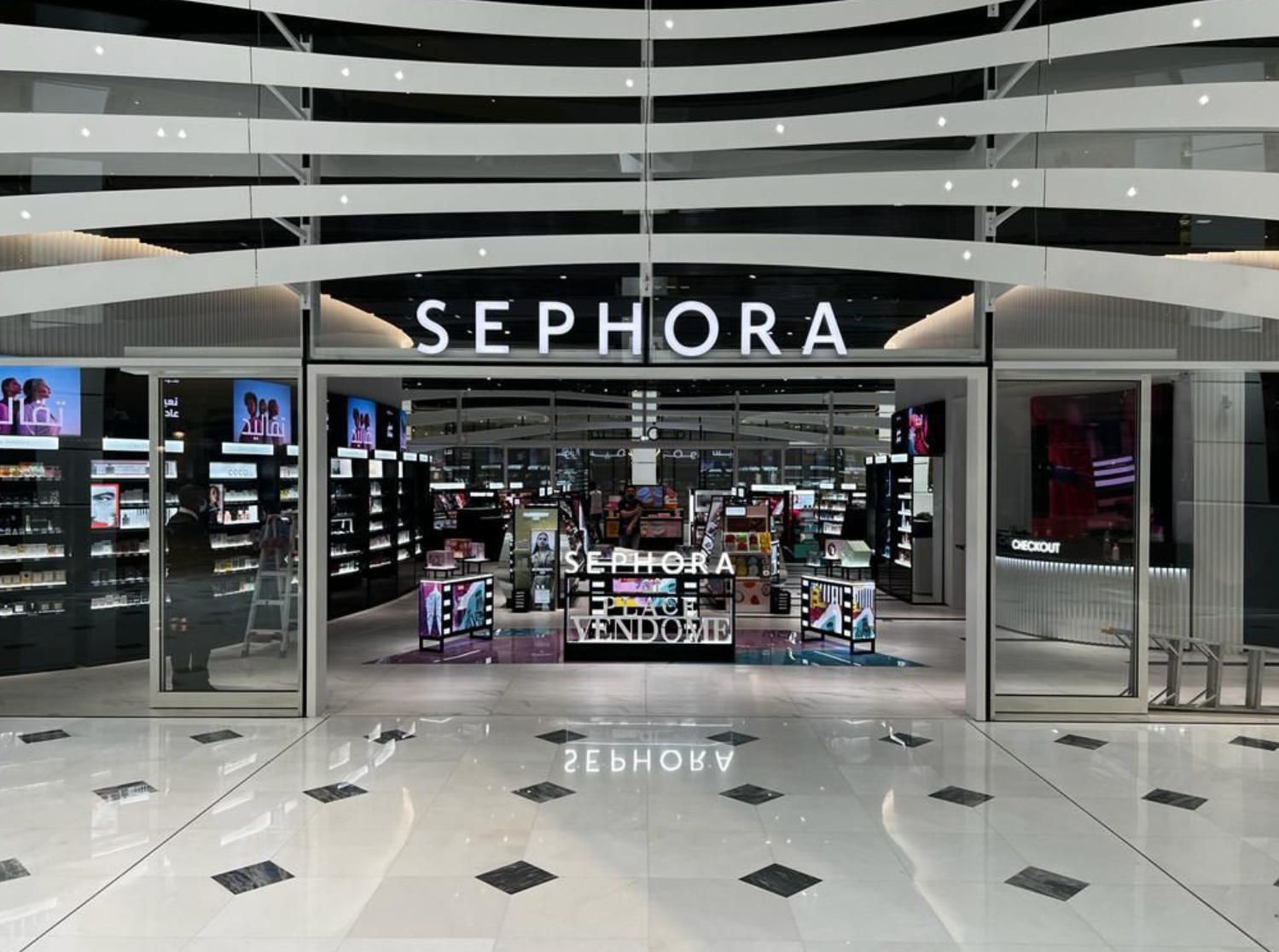
Under LVMH's ownership, Sephora didn't just grow—it exploded. The first U.S. store opened in New York City in 1998, and today, Sephora operates over 3,000 stores across 35 countries, employs 52,000 passionate beauty enthusiasts, and curates nearly 500 brands alongside its own Sephora Collection products. The company generated approximately €19.6 billion in revenue for LVMH's selective retailing division in 2024, with double-digit growth in both revenue and profit.
But this article isn't about stores. It's about the Sephora mobile app—the digital extension that transformed a beloved retail brand into a mobile-first beauty powerhouse.
Part Three: The Birth of the Sephora Mobile App — When Vision Met Technology
Sephora didn't stumble into digital excellence. The company invested heavily in mobile technology when many competitors still thought "digital strategy" meant having a website. The first Sephora mobile app launched around 2010, initially offering basic functionality: product browsing, store locators, and the ability to check Beauty Insider points. Revolutionary for its time, almost quaint by today's standards.
What distinguished Sephora's approach to beauty app development from the beginning was understanding that mobile wasn't just another sales channel—it was an intimate, always-accessible extension of the in-store experience. Bridget Dolan, who served as Sephora's Vice President of Interactive Media and later Vice President of Innovation, famously stated that "mobile is the ultimate bridge between physical and virtual Sephora experiences."
This philosophy guided every major decision in the Sephora mobile app evolution. When customers visited stores, they often had their phones in hand, researching products, reading reviews, and comparing prices. Rather than fighting this behavior, Sephora embraced it. The app became a companion tool—scan a product's barcode in-store, and boom: instant access to ratings, reviews, tutorials, and purchasing options. Beauty app development at its smartest.
The company wasn't content with being merely functional. Sephora's Innovation Lab (yes, they have an actual Innovation Lab because of course they do) continuously pushed boundaries. They experimented with augmented reality before most people knew what AR meant. They integrated AI when artificial intelligence was still primarily associated with science fiction. They gamified loyalty programs when gamification was an industry buzzword rather than standard practice.
The result? A Sephora mobile app that consistently ranks among the top shopping applications in app stores worldwide, with a 4.9 out of 5 rating on Apple's App Store and hundreds of thousands of glowing reviews.
Part Four: Download Statistics and Market Performance — The Numbers Don't Lie (And These Numbers Are Gorgeous)
Let's talk data, because in beauty app development, vanity metrics are ironic and real metrics are everything.
The Sephora mobile app has achieved download numbers that make other beauty retailers weep into their unsold mascara tubes. According to Statista and AppMagic research, the app was downloaded over 1.7 million times globally in April 2024 alone. In the United States, downloads nearly tripled between September 2022 and April 2024—from approximately 218,000 monthly downloads to over 644,000.
Breaking this down geographically paints an even more impressive picture:
United States leads the charge with approximately 4.8 million downloads between January and November 2023. This dominance reflects Sephora's strong North American foothold and American consumers' appetite for mobile beauty shopping.
China claimed second position with over 1 million app downloads during the same period, demonstrating Sephora's successful penetration into the world's most competitive beauty market.
France, Sephora's birthplace, recorded approximately 988,000 downloads, proving that the home crowd remains loyal.
Canada, Australia, the United Kingdom, and various European markets contribute significant additional download volumes, with monthly figures in each major country ranging from tens of thousands to hundreds of thousands.
But downloads are just the beginning. The Sephora mobile app's real magic lies in engagement and conversion. Industry analysts report that users who engage with the Virtual Artist AR feature are three times more likely to complete a purchase compared to non-users. Average app session duration increased from approximately 3 minutes to 12 minutes after enhanced personalization features launched. The app generates a substantial portion of Sephora's e-commerce revenue, which reached approximately $3.4 billion in 2024 with projections approaching $3.6 billion.
Website traffic tells a complementary story. Sephora.com attracts approximately 35-40 million visitors monthly, with the majority accessing via mobile devices. The mobile-first behavior pattern validates Sephora's heavy investment in beauty app development—customers want beauty shopping in their pockets.
Part Five: Inside the Sephora Mobile App — Features That Make Beauty Lovers Swoon
Time to get technical (but make it fun). What exactly happens when you download the Sephora mobile app and start exploring?
The Homepage Experience
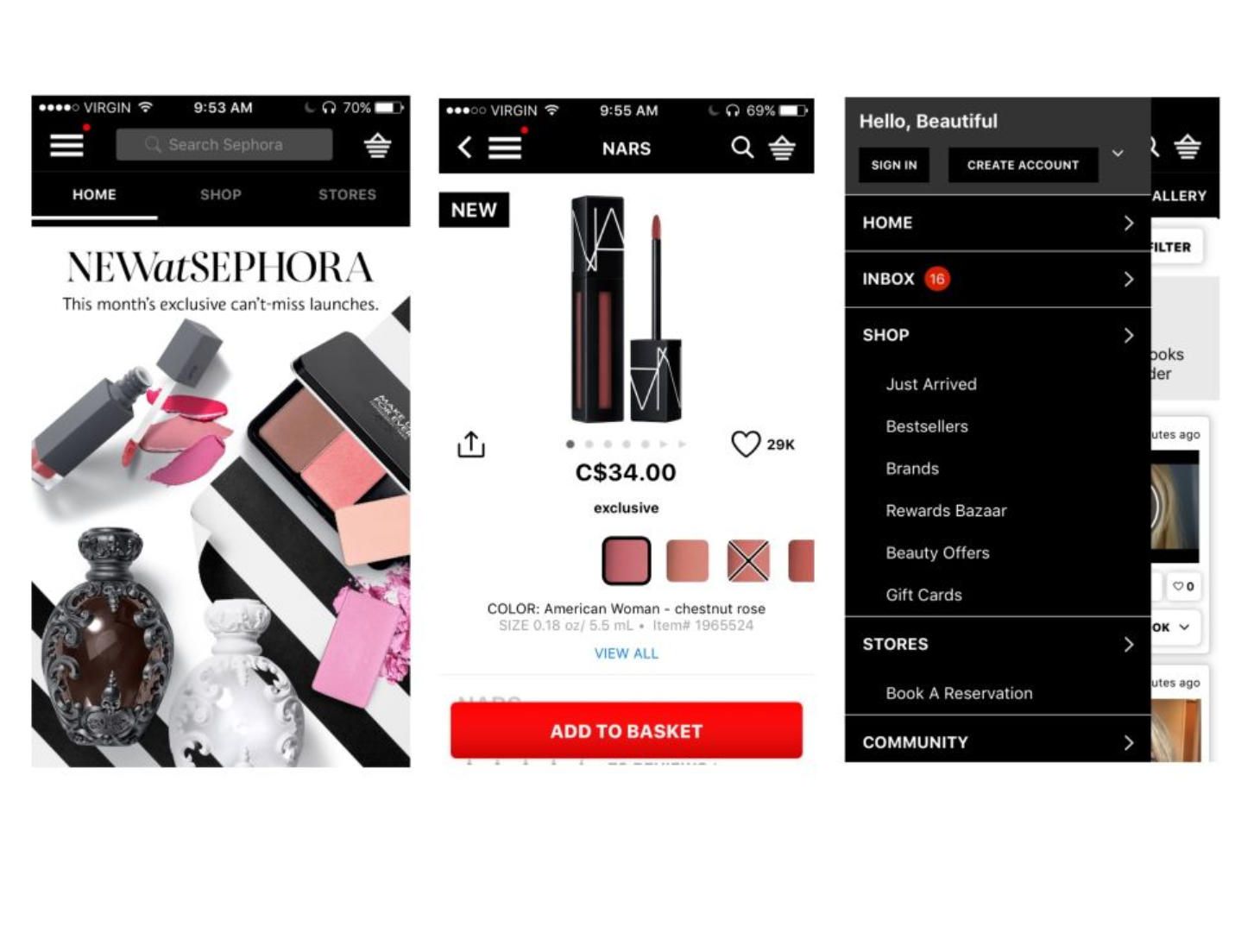
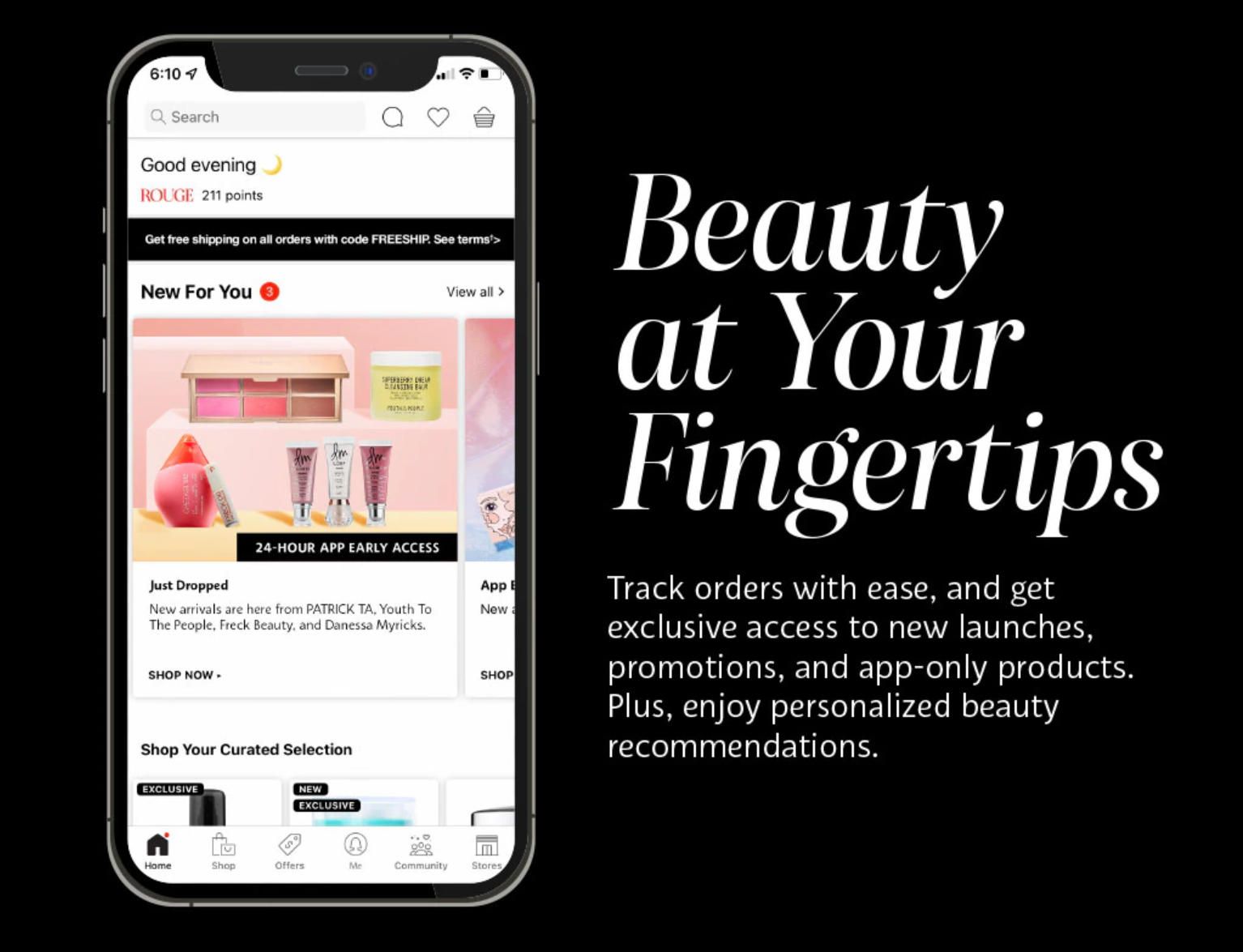
Opening the app feels like walking into a well-organized, visually stunning store—except you're probably on your couch wearing pajamas. The homepage presents personalized product recommendations based on your browsing history, purchase patterns, and stated preferences. A "New For You" carousel highlights fresh arrivals tailored to your interests. Limited-time offers flash enticingly. Featured brands rotate like a beauty-focused merry-go-round.
The navigation structure mirrors Sephora's physical store organization: makeup, skincare, fragrance, haircare, tools, and more. Categories branch into subcategories with logical precision. Finding that specific purple eyeshadow palette you saw in a YouTube tutorial takes seconds, not minutes of frustrated scrolling.
Virtual Artist — Where Augmented Reality Gets a Glow-Up
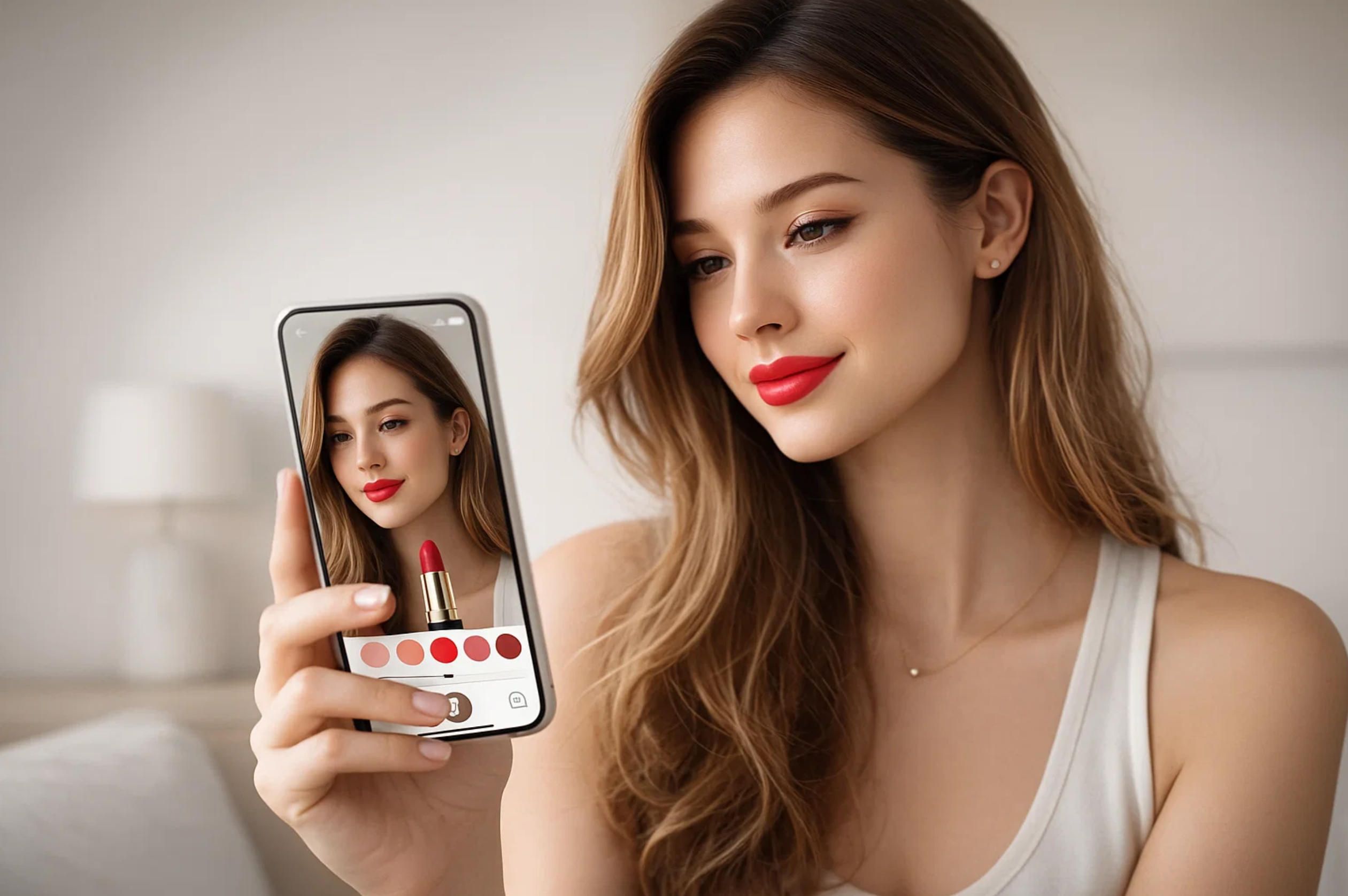
Here's where the Sephora mobile app transforms from impressive to genuinely groundbreaking. The Virtual Artist feature, developed in partnership with ModiFace (now owned by L'Oréal, acquired in 2018 for an undisclosed sum), uses augmented reality to let users virtually try on makeup products without touching a single physical sample.
The technology works through sophisticated facial recognition and tracking. ModiFace's AI algorithms analyze facial geometry, identify features like lips, eyes, and cheekbones, and apply digital makeup with remarkable precision. The system adjusts for skin tone and ambient lighting to enhance realism. Users can experiment with thousands of lipstick shades, eyeshadow palettes, blushes, false lashes, and even full looks created by Sephora's expert team.
Parham Aarabi, ModiFace's founder and CEO, explained the technical backbone: "We have essentially trained a program that can measure where the lips and eyes are in real time and track those facial feature points. Once we know where those elements are on the face, we can then know where the lipstick or eye shadow should go."
Since launching Virtual Artist in 2016, Sephora reports that users have virtually tried on over 200 million shade combinations. The feature has driven measurable business results: a 30% reduction in makeup product returns (customers know what they're getting before buying) and significantly higher conversion rates among AR-engaged users. This exemplifies beauty app development at its most sophisticated—blending entertainment, utility, and commerce into a seamless experience.
Color IQ and Skin IQ — AI-Powered Personalization
Beyond virtual try-ons, the Sephora mobile app integrates proprietary diagnostic tools that leverage artificial intelligence for personalized recommendations.
Color IQ, developed in partnership with Pantone, scans a shopper's skin tone using the device camera (or in-store via handheld devices) and assigns a numerical Color IQ number. This number becomes your personal beauty passport—filtering through thousands of foundation, concealer, and lip color options to surface products matching your specific coloring. No more guessing. No more buying five wrong foundation shades before finding the right one.
Skin IQ extends this personalization to skincare. Users answer questions about their skin concerns—acne, dryness, sensitivity, aging, hyperpigmentation—and the app recommends tailored product routines. The system learns over time, refining suggestions based on user feedback and purchase patterns.
This level of AI integration represents exactly what sophisticated beauty app development can achieve: transforming overwhelming product catalogs into curated, personal boutiques.
Beauty Insider Integration — Loyalty That Actually Feels Rewarding
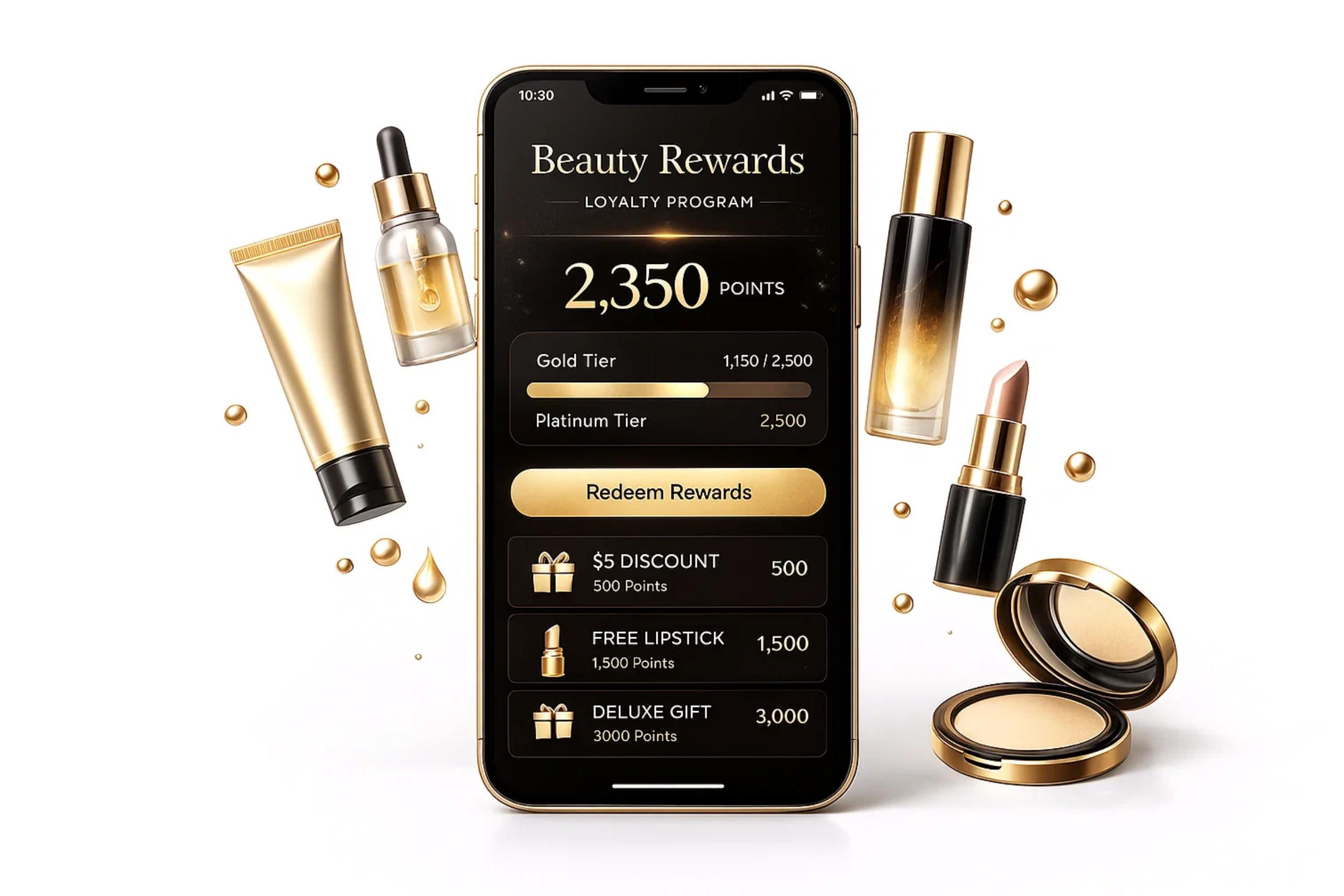
The Sephora mobile app serves as the central hub for the company's legendary Beauty Insider loyalty program, which boasts over 40 million members across the U.S. and Canada. This program drives approximately 80% of Sephora's North American sales—a staggering testament to its effectiveness.
The three-tier structure (Insider, VIB, Rouge) appears prominently within the app:
Insider level (free): 1 point per dollar spent, birthday gift, access to savings events with 10% discount, free shipping on orders over $50.
VIB level ($350 annual spend): Everything above plus 15% savings event discounts, early access to certain products, and more exclusive sample selections.
Rouge level ($1,000 annual spend): The ultimate tier includes 20% savings event discounts, free shipping on all orders, exclusive experiences and masterclasses, access to Rouge Rewards (2,500 points = $100 reward), and invitations to special events like the Rouge Celebration Event.
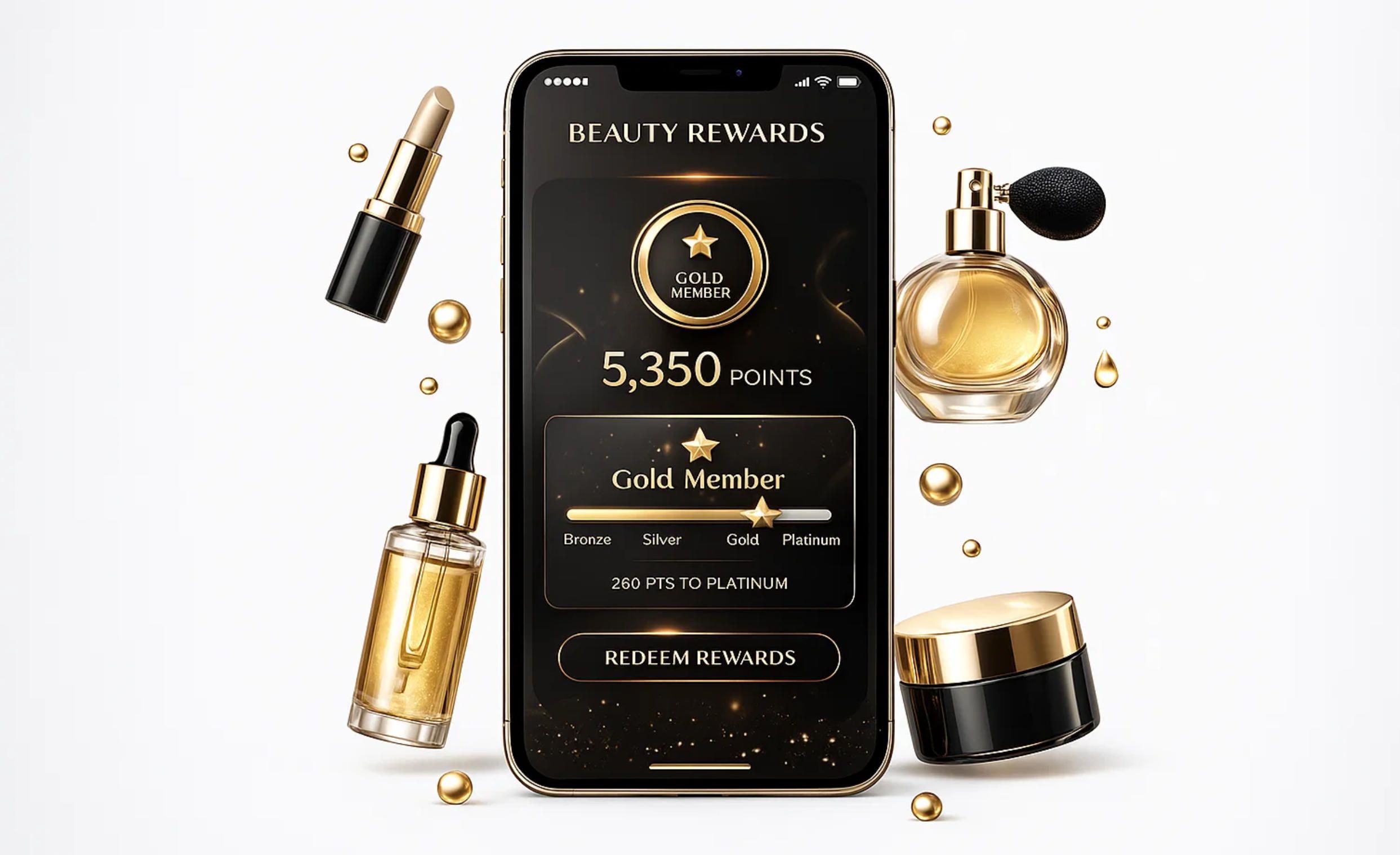
The app tracks points in real-time, sends push notifications about point multiplier events, enables rewards redemption directly from mobile, and provides a visual progress bar showing how close users are to their next tier. Gamification elements like Beauty Insider Challenges—introduced in 2023—encourage users to complete tasks (trying in-store Color IQ, attending virtual brand events) for bonus points.
Emmy Brown Berlind, Sephora's SVP and General Manager of Loyalty, noted in interviews that "the birthday gift is consistently rated one of the most attractive parts of the program. People just love birthday gifts. We really try to make sure that we maintain that feeling of specialness."
Product Discovery and Reviews — Community-Powered Beauty Advice
The Sephora mobile app houses one of the beauty industry's most comprehensive review ecosystems. Products display star ratings, written reviews from verified purchasers, photos from real users, and filtering options by skin type, age, and specific concerns. Users can sort reviews by most helpful, most recent, or specific attributes like "shade accuracy" or "lasting power."
The Beauty Insider Community, integrated into the app, functions as a social platform where beauty enthusiasts connect, share tips, post looks, ask questions, and discuss product recommendations. This user-generated content engine provides authentic social proof that no amount of marketing budget can replicate.
Additionally, the "Looks" section allows users to share their beauty creations and find inspiration from others. Educational content—tutorials, application techniques, trend guides—lives alongside shopping functionality, positioning the Sephora mobile app as both store and beauty school.
In-Store Companion Features
Remember when we mentioned that mobile bridges physical and digital experiences? The Sephora mobile app excels as an in-store companion tool.
Barcode scanning enables instant access to product information, reviews, and tutorials while physically standing in a Sephora store. Store locator functionality uses GPS to find nearby locations, display hours, and show available services. Users can check in-store inventory before making the trip—no more disappointment over sold-out favorites.
BOPIS (Buy Online, Pick Up In Store) integration allows users to order through the app and collect purchases within hours. Same-day delivery options expand fulfillment flexibility further. The app becomes a shopping assistant that travels in your pocket.
Part Six: The Technology Stack Behind the Sephora Mobile App — A Developer's Perspective
For those interested in beauty app development from a technical standpoint, understanding the Sephora mobile app's underlying architecture provides valuable insights.
Augmented Reality Implementation
The AR virtual try-on features primarily leveraged ModiFace technology, built on deep learning models trained on over 220,000 manually annotated facial images. The neural network detects facial shapes, structures, and features in real-time, enabling accurate overlay of virtual cosmetics products.
ModiFace's technology employs computer vision algorithms optimized for mobile processors, ensuring smooth 60fps performance even on mid-range devices. The system handles lighting normalization—adjusting virtual makeup appearance based on ambient lighting conditions detected through the camera—creating convincing try-on experiences regardless of environment.
For developers pursuing similar beauty app development projects, the key takeaway is this: AR implementation requires substantial training data, optimized mobile inference models, and careful attention to edge cases (varied lighting, skin tones, facial structures, accessories like glasses).
Personalization Engine
Sephora's recommendation engine combines collaborative filtering (what similar users purchased), content-based filtering (product attributes matching user preferences), and real-time behavioral signals (browsing patterns, search queries, time spent on product pages). Machine learning models continuously retrain on new data, improving recommendation relevance over time.
The app collects explicit preference data (beauty profiles, stated concerns) and implicit signals (dwell time, scroll depth, purchase history). This data flows into recommendation algorithms that surface personalized homepage content, tailored email campaigns, and in-app push notifications.
E-commerce Infrastructure
Supporting millions of users browsing, wishlisting, and purchasing requires robust backend architecture. Sephora's infrastructure handles massive traffic spikes during sale events—think tens of thousands of concurrent users during Rouge-exclusive launches.
The app integrates with multiple payment processors, supports Apple Pay and Google Pay for frictionless checkout, and connects with fulfillment systems for real-time inventory updates. Secure user authentication, PCI-compliant payment handling, and robust fraud detection systems protect customer data and transactions.
Analytics and Data Pipeline
Every tap, scroll, search, and purchase generates data points that feed into Sephora's analytics infrastructure. Business intelligence dashboards track app performance metrics (DAU, MAU, session length, funnel conversions), while data science teams mine patterns to inform product strategy, merchandising decisions, and personalization improvements.
In June 2025, Sephora entered a multi-year global data-sharing alliance with NielsenIQ, integrating consumer-panel and point-of-sale analytics to enhance personalization, assortment optimization, and omnichannel growth strategy. This illustrates the increasingly sophisticated data infrastructure required for competitive beauty app development.
Part Seven: Target Audience Analysis — Who Actually Uses the Sephora Mobile App?
Understanding the Sephora mobile app's user base reveals crucial insights for anyone considering beauty app development projects targeting similar demographics.
Primary Demographic: Millennial and Gen Z Women
Sephora primarily targets women aged 18-35, with strong concentration in the Millennial (ages 27-42) and Gen Z (ages 11-26) segments. Research indicates approximately 74% of Sephora shoppers identify as Millennials, with 43% falling in the 18-24 age bracket.
These demographics share several characteristics relevant to app development:
Digital-first mindset: Both generations grew up with smartphones. Mobile shopping feels natural, not novel.
Social media influence: Beauty preferences form through TikTok tutorials, Instagram influencers, and YouTube reviews. Peer recommendations outweigh traditional advertising.
Values-driven consumption: Sustainability, inclusivity, and brand ethics matter. The "Clean at Sephora" seal and diverse brand partnerships reflect this priority.
Experience seekers: Shopping should entertain, not just transact. AR try-ons, gamified loyalty, and community features satisfy this desire.
Income Profile
Sephora customers typically fall into middle to upper-middle-class brackets, with disposable income allocated to personal care and beauty products. The retailer positions itself as "prestige beauty"—higher quality and price points than drugstore options, but more accessible than exclusive luxury boutiques.
This positioning influences beauty app development strategy: users expect premium experiences but remain price-conscious. Features like the Rewards Bazaar (redeeming points for products) and savings events address value expectations without compromising brand prestige.
Geographic Distribution
Website and app traffic data show United States dominance (approximately 74% of sephora.com desktop traffic originates from the U.S.), followed by Canada (approximately 16%). Europe, Asia-Pacific, and Middle East markets contribute growing segments, with France, China, and Australia showing particular strength.
The Sephora mobile app localizes for major markets—separate app versions exist for different regions (e.g., "Sephora US: Makeup & Skincare" versus regional variants), with language localization, currency adjustments, and region-specific brand assortments.
Behavioral Patterns
App users exhibit high engagement levels: multiple sessions per month, extended session durations (especially when using AR features), and strong correlation between app usage and purchase activity. The majority of Sephora's transactions flow through Beauty Insider members, with app users representing disproportionately high-value customers.
Repeat purchase behavior defines beauty retail (skincare routines, foundation reorders, seasonal lip color updates), and the Sephora mobile app optimizes for this pattern. Reorder functionality, personalized restocking reminders, and subscription options (through the broader Sephora ecosystem) capitalize on habitual purchasing.
Part Eight: Marketing Strategy — How Sephora Keeps the Sephora Mobile App Top of Mind
Sephora's marketing strategy reflects deep understanding of its audience and represents a masterclass for anyone developing beauty apps hoping to achieve similar visibility.
Influencer Marketing and the Sephora Squad
In 2019, Sephora launched the Sephora Squad—an ambassador program selecting diverse influencers across platforms like Instagram, TikTok, and YouTube to create authentic content. Unlike one-off sponsored posts, Squad members receive extended partnerships, exclusive access, and ongoing relationships with the brand.
The program generated impressive results, including over +1013% ROI on specific TikTok campaigns for Sephora Collection products. Micro, macro, and nano influencers participate, ensuring content reaches varied audience segments with authentic peer-to-peer appeal.
For beauty app development marketing, the lesson is clear: influencer authenticity drives engagement more effectively than polished brand messaging.
User-Generated Content Campaigns
Campaigns like #SephoraHaul and #LipStories encourage customers to share their Sephora purchases and looks across social platforms. This user-generated content provides free marketing, social proof, and community building simultaneously.
The Beauty Insider Community within the Sephora mobile app amplifies this UGC strategy internally—member posts, questions, and recommendations create ongoing engagement loops.
The "We Belong to Something Beautiful" Campaign
Launched in 2019, this brand manifesto centers on inclusivity, diversity, and fostering belonging among all customers and employees. The campaign followed public incidents highlighting retail racial bias concerns and demonstrated Sephora's commitment to addressing these issues directly.
The inclusive messaging resonates strongly with Millennial and Gen Z audiences who prioritize brand values alignment. Marketing materials, app imagery, and brand partnerships reflect this diversity commitment visibly.
Email and Push Notification Strategy
Sephora executes sophisticated CRM campaigns targeting users based on browsing history, purchase behavior, and loyalty tier. Personalized email blasts highlight products users viewed but didn't purchase. Push notifications announce point multiplier events, birthday rewards, and limited-time offers.
Segmentation prevents notification fatigue—Rouge members receive different communications than Insider-tier users. Timing optimization ensures messages arrive when users are most likely to engage.
Omnichannel Integration
Marketing efforts seamlessly span physical and digital touchpoints. In-store signage promotes app features. App notifications drive store visits for exclusive experiences. Social media content directs traffic to app downloads. Email campaigns link to both website and app purchasing flows.
This integrated approach recognizes that modern beauty consumers don't distinguish between channels—they expect unified experiences everywhere.
Part Nine: Competitive Landscape — How the Sephora Mobile App Stacks Up
No analysis of beauty app development would be complete without acknowledging competitive context. The Sephora mobile app operates in a crowded market with formidable rivals.
Ulta Beauty
Sephora's most direct U.S. competitor, Ulta Beauty, operates over 1,400 stores and boasts an even larger loyalty program—approximately 44.6 million active Ultamate Rewards members generating 95% of total sales. Ulta's app offers similar functionality: virtual try-on, loyalty integration, product discovery, and mobile purchasing.
Key differentiators: Ulta carries both prestige and mass-market beauty brands (drugstore options alongside luxury), appealing to price-conscious consumers seeking one-stop shopping. Sephora maintains sharper focus on prestige positioning. The Sephora mobile app arguably offers more sophisticated AR experiences and a stronger global presence.
Direct-to-Consumer Brands
Brands like Glossier, Fenty Beauty, and Charlotte Tilbury operate their own apps and e-commerce platforms, bypassing traditional retailers entirely. These DTC players cultivate loyal customer bases through authentic storytelling, social media community building, and controlled brand experiences.
Sephora mitigates DTC competition by partnering with these brands—Fenty Beauty, for example, launched at Sephora and remains available there alongside Fenty's own channels. The Sephora mobile app becomes a discovery platform introducing users to emerging brands they might not find otherwise.
Amazon
The e-commerce giant has aggressively expanded beauty offerings, leveraging Prime shipping, competitive pricing, and massive customer reach. Amazon's app offers unmatched convenience for repurchase behavior.
However, Amazon lacks the experiential elements that define Sephora's digital experience—no AR try-on, limited beauty expertise, and a less curated product assortment. The Sephora mobile app positions itself as the destination for discovery and exploration, while Amazon captures convenience-driven replenishment.
Specialty Beauty Apps
Niche applications like Perfect Corp.'s YouCam, various skincare diagnostic apps, and brand-specific applications compete for beauty tech mindshare. These apps often excel in specific features (YouCam's extensive AR capabilities) but lack Sephora's comprehensive shopping, loyalty, and community ecosystem.
For beauty app development strategists, this competitive landscape illustrates the importance of differentiation. Pure feature parity rarely wins—distinctive value propositions (Sephora's curation, community, and loyalty integration) build sustainable competitive advantages.
Part Ten: User Reviews and Sentiment Analysis — What Customers Actually Say
Examining real user feedback illuminates the Sephora mobile app experience from customer perspectives.
App Store Ratings
The Sephora US app maintains an impressive 4.9 out of 5 stars on Apple's App Store with over 423,700 ratings. Google Play ratings hover around 4.0 stars (ratings vary by regional app version). These scores position Sephora among top-rated shopping applications globally.
Positive Sentiment Themes
Users consistently praise several aspects:
Convenience: "I can research and review innovative products! It's that shopper-friendly of a site! I can browse, wander, and window shop!"
Samples and rewards: "I LOVE ALL OF THE SAMPLES AND PROMOS/REWARDS for shopping! I feel like a kid in a candy store!"
Educational content: "Don't forget to watch the FREE tutorial videos from professional makeup artists. They are sooo much fun and valuable information!"
Virtual try-on: Users frequently highlight AR features as differentiators from competitor apps.
Easy navigation: The app's organized structure receives consistent praise versus "nightmare mazes" other stores create.
Negative Sentiment Themes
Criticisms cluster around several pain points:
Technical glitches: "The app is very glitchy. I wish they would fix the filter function when reading reviews. All the other search categories glitch out on me."
Update issues: "After the update? Error error error. Not even loading properly. I've reinstalled it 4 times already."
Layout changes: "The new updated layout of the app is confusing and pretty frustrating to navigate. I still cannot get used to it."
Feature regressions: "The try it on live feature hasn't worked in over a year already which is extremely frustrating."
Search relevance: Some users report irrelevant search results and misspelled suggestions impacting shopping experiences.
These feedback patterns provide actionable intelligence for beauty app development teams: robust testing across updates, careful consideration of UX changes, and ongoing feature maintenance matter as much as new capability launches.
Part Eleven: The Technology Partners Behind Sephora's Innovation — Spotlight on ModiFace
The Sephora mobile app's AR capabilities didn't materialize from thin air. Behind the virtual lipstick and digital eyeshadow stands ModiFace, a Canadian beauty technology company founded by Parham Aarabi in 2006 (incorporated as ModiFace Inc. in Toronto).
ModiFace specialized in augmented reality and artificial intelligence applications for the beauty industry, developing advanced 3D virtual makeup, color matching, and skin diagnosis services using proprietary software that tracks facial features and color in real-time. The company employed nearly 70 engineers, researchers, and scientists who contributed over 200 scientific publications and registered more than 30 patents.
Sephora became one of ModiFace's marquee partnerships. Bridget Dolan and her Innovation Lab team worked closely with ModiFace for approximately two years before launching Virtual Artist in 2016. This wasn't a quick licensing deal—it was deep collaboration shaping the technology specifically for Sephora's use cases.
"Companies like ours need a champion who has the vision, who sees the long term. That's Bridget and her team," Aarabi explained. "They're really invested in getting the augmented reality right."
The partnership proved beneficial for both parties. ModiFace gained a flagship client with massive user scale (enabling rapid technology iteration based on real-world usage data), while Sephora secured differentiated features that competitors couldn't easily replicate.
In March 2018, L'Oréal acquired ModiFace for an undisclosed sum—the cosmetics giant's first-ever technology acquisition. This acquisition gave L'Oréal control over proven AR beauty technology and potentially limited competitors' access (though ModiFace had previously worked with multiple brands including Estée Lauder).
Post-acquisition, Sephora continues leveraging ModiFace capabilities through existing partnerships and integrations. However, the acquisition underscores an important beauty app development consideration: technology partnerships evolve, and acquiring versus licensing critical capabilities involves strategic trade-offs.
Part Twelve: Financial Performance and Business Impact — The Sephora Mobile App's Bottom Line Contribution
Quantifying exactly how much revenue the Sephora mobile app generates proves challenging—Sephora doesn't publish app-specific financial breakdowns. However, available data points paint a compelling picture.
E-commerce Revenue Growth
Sephora.com (which includes app transactions flowing through shared commerce infrastructure) generated approximately $3.4 billion in e-commerce net sales in 2024, with forecasts approaching $3.6 billion. This represents massive growth from $580 million in 2016—a compound annual growth rate reflecting successful digital transformation.
The mobile app drives significant portions of this e-commerce activity, particularly considering that mobile devices account for the majority of Sephora.com traffic and younger demographics' heavy mobile preference.
Loyalty Program Economics
With 40+ million Beauty Insider members generating approximately 80% of North American sales, the Sephora mobile app's role as the loyalty program hub translates directly to revenue impact. Research indicates Sephora's loyalty program has driven 22% increases in cross-sell revenue and up to 51% boosts in upsell revenue.
Conversion Rate Impact
Users engaging with AR try-on features convert at 3x rates versus non-users. Even modest conversion rate improvements across millions of monthly users translate to substantial incremental revenue.
Return Reduction
The 30% reduction in makeup product returns among Virtual Artist users represents meaningful cost savings. Returns consume margins through logistics expenses, restocking costs, and product waste. Digital try-on investments pay dividends through reduced reverse logistics burden.
LVMH Selective Retailing Performance
LVMH's Selective Retailing division (housing Sephora) posted 6% organic revenue growth in 2024 despite challenging market conditions, with Sephora specifically achieving "remarkable" double-digit growth in both revenue and profit. The company continued gaining market share across North America, Europe, and the Middle East.
For beauty app development business cases, these metrics demonstrate clear ROI potential from well-executed mobile investments.
Part Thirteen: Lessons for Beauty App Development — What Entrepreneurs Can Learn from Sephora
Distilling Sephora's mobile success into actionable insights for beauty app development projects reveals several key principles.
Lesson 1: Mobile Is the Bridge, Not the Destination
Sephora doesn't treat the mobile app as a separate silo—it's an integrated extension of the entire customer experience. In-store, online, and mobile touchpoints connect seamlessly. Beauty app development projects should plan omnichannel from day one, not retrofit integration later.
Lesson 2: AR Technology Delivers Measurable Business Results
Virtual try-on isn't gimmicky novelty—it drives conversion, reduces returns, and increases engagement. Investment in augmented reality capabilities pays dividends when implemented thoughtfully. ModiFace-level sophistication may require significant resources, but more accessible AR tools exist for smaller-scale beauty app development projects.
Lesson 3: Loyalty Programs Require Genuine Value Exchange
The Beauty Insider program succeeds because members receive tangible benefits—samples, discounts, exclusive access—not empty points accumulating toward nothing meaningful. Beauty app development projects incorporating loyalty features must ensure rewards genuinely excite users.
Lesson 4: Community Amplifies Commerce
User-generated content, community forums, and social features transform transactional apps into destinations. Beauty enthusiasts want to share, discuss, and learn. Building community infrastructure alongside commerce capabilities creates stickier engagement.
Lesson 5: Personalization Differentiates
Generic product catalogs don't win hearts. Personalized recommendations based on skin type, color preferences, purchase history, and stated goals create experiences that feel curated rather than overwhelming. AI/ML investments for personalization often justify themselves through increased conversion and customer lifetime value.
Lesson 6: Test Relentlessly, Especially Before Major Launches
User reviews highlighting glitches and broken features following updates demonstrate the risks of insufficient quality assurance. Beauty app development requires rigorous testing across device types, OS versions, and usage scenarios. A-Bots.com's comprehensive testing services address exactly this need.
Lesson 7: Partner Strategically for Technology Capabilities
Sephora didn't build ModiFace technology internally—they partnered deeply with domain experts. Beauty app development projects should honestly assess build-versus-buy decisions, recognizing that specialized technologies (AR, AI, complex integrations) often benefit from external expertise.
Part Fourteen: Future Trends in Beauty App Development — Where the Industry Heads Next
Examining the Sephora mobile app's trajectory and broader industry movements reveals emerging trends shaping beauty app development's future.
Hyper-Personalization Powered by AI
Personalization will evolve from product recommendations to fully customized beauty experiences. Imagine apps that analyze your skin daily via camera, adjust product suggestions based on weather conditions, and adapt routines as your needs change seasonally. Sephora's Skin IQ represents early steps; future beauty app development will push much further.
Generative AI Integration
Large language models will power beauty consultants within apps—conversational AI that answers questions, provides application advice, and guides product discovery through natural dialogue. Sephora has experimented with chatbot functionality; expect capabilities to expand dramatically.
Social Commerce Convergence
TikTok Shop, Instagram Shopping, and similar social commerce channels increasingly compete with standalone apps. Beauty app development must consider whether dedicated apps remain optimal or whether embedded social commerce experiences better reach target audiences.
IoT Beauty Ecosystem Integration
Smart mirrors analyzing skin conditions, connected hairbrushes tracking hair health, wearable devices monitoring hydration—the Internet of Things is entering bathrooms. Beauty app development will increasingly involve integrating data from connected devices rather than relying solely on smartphone interactions.
Sustainability Transparency
Consumers demand visibility into product sourcing, ingredient ethics, and packaging sustainability. Future beauty apps will incorporate detailed sustainability scoring, supply chain traceability, and environmental impact information alongside traditional product details.
Virtual Reality Shopping Experiences
Beyond AR try-on, fully immersive VR beauty shopping experiences may emerge—virtual store environments where users browse, explore, and purchase through headsets. While mass adoption remains years away, beauty app development pioneers will experiment with VR capabilities.
Accessible Beauty Technology
Inclusive design ensuring beauty apps serve users with disabilities—visual impairments, motor challenges, cognitive differences—will become both ethical imperative and legal requirement in many markets.
Part Fifteen: How to Build Your Own Sephora-Style Beauty App with A-Bots.com
Throughout this analysis, we've dissected what makes the Sephora mobile app exceptional. Now comes the practical question: how do you build something comparable?
This is where A-Bots.com's beauty app development expertise becomes invaluable.
Discovery and Strategy Phase
A-Bots.com begins every project with comprehensive discovery—understanding your vision, target market, competitive positioning, and technical requirements. For beauty app development specifically, this involves defining whether you're building retail platforms (Sephora-style), brand-specific apps, diagnostic tools, IoT integrations, or hybrid solutions.
UX/UI Design Excellence
Beauty apps demand visual excellence. Users expect interfaces as polished as the products they're shopping for. A-Bots.com's design teams create intuitive, beautiful experiences optimized for mobile-first usage patterns.
AR and AI Integration
Want virtual try-on capabilities? Personalized recommendation engines? Skin analysis features? A-Bots.com has the technical expertise to integrate augmented reality, artificial intelligence, and machine learning capabilities into beauty app development projects—transforming good apps into exceptional ones.
E-commerce Architecture
Robust product catalogs, secure payment processing, inventory management integrations, order fulfillment connections—the commerce infrastructure underlying beauty apps requires experienced implementation. A-Bots.com builds scalable e-commerce systems handling peak traffic loads without performance degradation.
Loyalty and Gamification Systems
Replicating Beauty Insider's engagement magic requires thoughtful loyalty system architecture—points accumulation, tier progression, rewards catalogs, gamification mechanics. A-Bots.com designs and implements these systems with business objectives in mind.
Quality Assurance and Testing
Before your beauty app reaches users, it must survive rigorous testing. A-Bots.com's QA teams identify bugs, performance issues, and edge cases across devices and scenarios. This testing expertise prevents the negative reviews plaguing apps that rush to market unprepared.
Ongoing Support and Evolution
Launch is just the beginning. Successful beauty apps require continuous updates—new features, platform compatibility maintenance, security patches, and performance optimization. A-Bots.com offers ongoing development partnerships ensuring your app evolves with user needs and market trends.
Conclusion: The Sephora Mobile App Blueprint for Beauty App Development Success
We've traveled quite a journey together—from French perfume shops in 1969 to AI-powered virtual lipstick in 2024 and beyond. The Sephora mobile app represents what beauty app development can achieve when vision, technology, and execution align perfectly.
Key takeaways worth remembering:
The Sephora mobile app succeeds because it bridges physical and digital beauty experiences seamlessly. Download numbers exceeding 1.7 million monthly reflect genuine user value, not marketing hype. AR virtual try-on features like Virtual Artist deliver measurable business results: higher conversion, lower returns, increased engagement. The 40+ million member Beauty Insider program, deeply integrated with the app, drives 80% of North American sales. Target demographics—primarily Millennial and Gen Z women aged 18-35—demand mobile-first, visually stunning, values-aligned experiences. Technology partnerships (ModiFace) enabled capabilities Sephora couldn't build alone. Continuous innovation—gamification, personalization, community features—keeps the app relevant as competitors chase.
For entrepreneurs eyeing the beauty app development space, Sephora provides both inspiration and a high bar to clear. Building something comparable requires technical sophistication, user experience excellence, and strategic clarity.
That's exactly what A-Bots.com delivers. With their comprehensive beauty app development capabilities—from initial concept through launch and beyond—they transform ambitious beauty tech visions into functional, successful applications.
The beauty industry isn't slowing down. Global beauty and personal care markets are projected to exceed $677 billion by 2025, with e-commerce and mobile commerce capturing increasing shares. The opportunity for well-executed beauty apps has never been larger.
The Sephora mobile app set the template. Now it's your turn to write the next chapter.
Ready to start your beauty app development journey? A-Bots.com is ready when you are.

Part Sixteen: The Psychology Behind Sephora Mobile App Addiction — Why Users Can't Put It Down
Let's get psychological for a moment. The Sephora mobile app doesn't just sell products—it hijacks your brain's reward circuitry in the most delightful way possible. Understanding these psychological mechanisms provides crucial insights for beauty app development teams seeking similar engagement levels.
The Dopamine Loop of Discovery
Every time you open the Sephora mobile app and see "New For You" recommendations, your brain anticipates potential rewards. This anticipation triggers dopamine release—not the reward itself, but the possibility of reward. It's the same mechanism that makes slot machines addictive, except instead of coins, you're chasing the perfect shade of terracotta blush.
The infinite scroll of product possibilities creates what psychologists call "variable ratio reinforcement." Sometimes you find something amazing immediately. Sometimes it takes scrolling through dozens of products. This unpredictability keeps you engaged far longer than predictable experiences would.
Social Proof and FOMO
Product reviews displaying "1,247 people found this helpful" or "2,831 reviews" trigger social proof mechanisms. If thousands of other beauty lovers love a product, it must be good, right? Your brain takes shortcuts, trusting crowd wisdom over individual evaluation.
Limited-time offers, "selling fast" notifications, and exclusive Rouge access create fear of missing out (FOMO). The Sephora mobile app weaponizes scarcity psychology expertly—miss this sale, and you'll pay full price. Miss this exclusive launch, and you might not get another chance.
The Endowment Effect and Virtual Try-On
Here's where the Sephora mobile app gets really clever. When you virtually try on lipstick using AR features, you see yourself wearing that product. Psychologically, you've already "owned" it in some sense. The endowment effect means people value things more highly once they possess them—even virtually.
After spending five minutes perfecting a lip look using Virtual Artist, putting the product in your cart feels like keeping something you already have rather than acquiring something new. This subtle psychological shift significantly impacts conversion rates.
Gamification and Achievement Psychology
Beauty Insider tiers tap into achievement motivation. Humans naturally desire progression and status attainment. Seeing that progress bar showing you're $127 away from VIB status creates goal gradient effect—effort increases as the goal approaches.
Challenges requiring non-purchase activities (visiting stores, trying features) leverage the Zeigarnik effect—incomplete tasks create psychological tension that completion resolves. Your brain wants to finish what it started.
Personalization and Self-Relevance
Personalized recommendations feel like the app "knows you." This self-relevance enhances attention and engagement. Products matching your stated preferences bypass skepticism filters because they align with your existing self-concept.
"Because you viewed..." or "Customers with your skin type also bought..." suggestions leverage both personalization and social proof simultaneously—a powerful combination for beauty app development strategists to emulate.
The Collection Instinct
Beauty products naturally appeal to collection psychology. Eyeshadow palettes, lipstick sets, skincare routines—these aren't single purchases but ecosystem entries. The Sephora mobile app facilitates collection building through wishlists, past purchase access, and cross-category recommendations.
Once users start building collections, switching costs increase. Your Sephora-purchased foundations work with your Sephora-purchased primers. Your Beauty Insider points accumulate toward Rouge status. Leaving becomes increasingly difficult—exactly as designed.
Part Seventeen: Regional Variations of the Sephora Mobile App — Global Beauty, Local Touch
The Sephora mobile app isn't monolithic—regional variations adapt the experience for different markets. Understanding these localization strategies informs beauty app development projects targeting international audiences.
Sephora US: The Flagship Experience
The American Sephora mobile app represents the fullest feature set: comprehensive Virtual Artist AR, extensive Beauty Insider integration, vast product catalog spanning nearly 500 brands, robust community features, and seamless omnichannel integration with 600+ U.S. stores.
U.S. users access specific partnerships like Sephora at Kohl's integration, allowing point accumulation across both retailers. Same-day delivery through partnerships with DoorDash, Instacart, and Uber Eats reflects American expectations for rapid fulfillment.
Sephora Europe: GDPR Compliance and Local Preferences
European Sephora mobile app versions navigate strict GDPR privacy requirements, implementing explicit consent mechanisms and data handling transparency that American users don't typically see. Product assortments skew toward European brands and preferences—French skincare heritage brands feature prominently.
Language localization extends beyond translation into cultural adaptation. French users expect different aesthetic sensibilities than German or Spanish users. Promotional calendars align with regional holidays and shopping patterns.
Sephora Asia-Pacific: Social Commerce Integration
Asian Sephora mobile app versions integrate more deeply with regional social platforms. In China, connections to WeChat and Alibaba ecosystems enable social sharing, social commerce, and payment through familiar local channels.
Product catalogs emphasize Asian beauty (K-beauty, J-beauty) brands and trends. Skincare focus often outweighs color cosmetics compared to Western markets. Sheet masks, essences, and multi-step routines feature prominently.
Sephora Middle East: Premium Positioning
Middle Eastern Sephora mobile app versions emphasize luxury positioning appropriate for markets with high disposable incomes and strong preference for prestige beauty. Fragrance categories receive enhanced visibility reflecting regional purchasing patterns.
Right-to-left language support for Arabic users requires complete interface restructuring, demonstrating the significant localization investment required for beauty app development targeting diverse global markets.
Lessons for Global Beauty App Development
Regional Sephora mobile app variations teach several lessons: localization requires more than translation—cultural adaptation matters; regulatory compliance (GDPR, data residency) varies dramatically; payment method preferences differ globally; social platform integrations must match regional ecosystems; product assortments should reflect local beauty preferences and trends.
Part Eighteen: Sephora Mobile App's Crisis Management — How They Handled Challenging Moments
Even the best beauty apps face challenges. Examining how the Sephora mobile app navigated difficulties provides valuable case studies for beauty app development risk management.
The 2019 Diversity Training Closure
In April 2019, singer SZA publicly accused a Sephora store of racial profiling. The incident generated significant media attention and social media backlash. Sephora's response was dramatic: on June 5, 2019, the company closed all U.S. stores for diversity training as part of its "We Belong to Something Beautiful" campaign.
The Sephora mobile app and website displayed prominent messaging during the closure, transforming a potential crisis into a brand-building moment. Rather than defensive PR, Sephora acknowledged issues and took visible action. The approach received mixed reactions but demonstrated commitment to stated values.
For beauty app development projects, the lesson involves preparing for reputational crises that impact digital channels and using those channels for transparent communication.
App Update Disasters
User reviews document instances where Sephora mobile app updates broke critical functionality. Virtual try-on features stopped working. Login processes failed. Crashes increased. These technical setbacks generated negative reviews and frustrated loyal users.
Sephora's response pattern involved acknowledgment, rapid patch deployment, and direct communication with affected users. App Store responses to negative reviews demonstrate engagement with complaints rather than silence.
Technical crisis preparedness—rollback capabilities, rapid response protocols, user communication templates—belongs in every beauty app development project plan.
Competitive Pressure Moments
When competitor Ulta's Ultamate Rewards program grew larger than Beauty Insider, Sephora didn't panic-pivot. Instead, they doubled down on program differentiation: experiential rewards, community features, and exclusive access that points-for-discounts models couldn't match.
The Sephora mobile app evolved to emphasize these differentiators, proving that competitive threats require strategic response rather than reactive mimicry.
Part Nineteen: The Technology Evolution Timeline — How the Sephora Mobile App Grew Up
Tracing the Sephora mobile app's evolution reveals iterative beauty app development strategy rather than single big-bang launches.
2010-2012: Foundation Years
Early Sephora mobile app versions focused on fundamental e-commerce: product browsing, store location, basic checkout. The app established presence without advanced features. Beauty Insider integration began, connecting loyalty to mobile.
2013-2015: Mobile Commerce Maturation
Enhanced product discovery, improved search functionality, and rating/review integration expanded utility. In-store scanning features—pointing your phone at products for instant information—bridged physical and digital experiences.
2016: Virtual Artist Debuts
The AR virtual try-on launch represented the Sephora mobile app's transformation moment. Two years of ModiFace collaboration resulted in technology that genuinely surprised and delighted users. Lipstick try-on expanded to eyes, cheeks, and full looks.
2017: Community Launch
Beauty Insider Community introduced social features—user discussions, shared looks, product recommendations from peers. The Sephora mobile app became destination rather than transaction tool.
2018-2019: Personalization Enhancement
AI-powered recommendations, refined Color IQ integration, and personalized homepage experiences made every user's app feel uniquely theirs. The "We Belong to Something Beautiful" campaign messaging integrated throughout.
2020: Pandemic Adaptation
COVID-19 accelerated digital transformation across retail. The Sephora mobile app saw download spikes as physical store traffic plummeted. Curbside pickup, same-day delivery, and virtual consultation features expanded rapidly.
Beauty Insider Cash launched—500 points = $10 off—responding to economic uncertainty by enhancing value proposition.
2021-2022: Omnichannel Integration Deepening
BOPIS improvements, delivery expansion through partnership integrations, and enhanced store inventory visibility made the Sephora mobile app central to all shopping journeys regardless of fulfillment channel.
2023: Gamification Addition
Beauty Insider Challenges introduced gamified tasks rewarding engagement beyond purchasing. Complete a Color IQ consultation, attend a virtual event, write reviews—earn bonus points through varied interactions.
2024-2025: AI and Data Sophistication
NielsenIQ partnership, expanded personalization capabilities, and continued AR enhancement reflect ongoing evolution. The Sephora mobile app remains work-in-progress, not finished product.
This timeline demonstrates that successful beauty app development requires continuous investment and iteration—not launch-and-forget approaches.
Part Twenty: Building Your Beauty App Development Roadmap — A Practical Framework
Drawing from Sephora mobile app analysis, here's a practical framework for beauty app development projects:
Phase 1: Foundation (Months 1-6)
Define core value proposition—what makes your beauty app uniquely valuable? Identify target audience with demographic, psychographic, and behavioral precision. Design intuitive UX/UI reflecting beauty category visual expectations. Build fundamental e-commerce capabilities: product catalog, search, checkout. Implement basic personalization: account creation, preference storage.
A-Bots.com excels at this foundation phase, translating business requirements into technical architecture that scales.
Phase 2: Differentiation (Months 7-12)
Add category-specific features that competitors lack. For beauty app development, consider: AR virtual try-on capabilities (ModiFace alternatives exist), AI skin/hair analysis tools, personalized routine recommendations, educational content integration.
Build loyalty mechanics: points accumulation, tier structures, rewards catalogs. Simple gamification elements encourage repeated engagement.
Phase 3: Community (Months 13-18)
Introduce social features: reviews, ratings, user-generated photos. Enable community discussions and peer recommendations. Launch influencer partnerships and UGC campaigns driving organic content creation.
Phase 4: Advanced Personalization (Months 19-24)
Deploy machine learning recommendation engines trained on accumulated user data. Implement predictive capabilities: restock reminders, trend recommendations, personalized offers. Refine segmentation for targeted communications.
Phase 5: Omnichannel Integration (Months 25-36)
If physical retail exists, deeply integrate app with store experiences. Build BOPIS, same-day delivery, in-store companion features. Unify customer data across touchpoints.
Ongoing: Iteration and Innovation
Monitor competitors, emerging technologies, and user feedback. Test new features continuously. Never consider the app "finished."
This roadmap adapts based on budget, team capabilities, and market conditions. A-Bots.com helps navigate these decisions, ensuring beauty app development investments generate maximum return.
Part Twenty-One: The Role of IoT in Modern Beauty App Development — Smart Devices Meet Stunning Apps
The Sephora mobile app has dipped toes into connected device territory, but the broader beauty tech ecosystem presents massive opportunities for ambitious beauty app development projects. Let's explore the Internet of Things (IoT) frontier.
Smart Mirrors: Your Bathroom's New Best Friend
Imagine a mirror that analyzes your skin condition each morning, tracks changes over time, and recommends products based on today's specific needs. These smart mirrors exist—companies like HiMirror and others have pioneered the category.
Integration with beauty apps transforms these devices from novelties into ecosystems. Your morning skin analysis syncs to your phone, triggering personalized product recommendations or restock reminders when your favorite serum runs low.
For beauty app development teams, smart mirror integration requires APIs connecting device data to app backends, secure data transmission protocols, and intelligent algorithms interpreting skin analysis results.
Connected Skincare Devices
LED therapy masks, microcurrent devices, cleansing brushes with pressure sensors—the skincare device market explodes with connected products. Each generates data about usage patterns, treatment compliance, and results over time.
Beauty apps that aggregate data from multiple connected devices create compelling value propositions. Track your complete skincare routine: cleanser usage, mask treatments, serum application timing—all visualized in one dashboard with progress tracking.
A-Bots.com's IoT expertise positions them perfectly for beauty app development projects incorporating connected device ecosystems.
AI-Powered Hair Tools
Smart hairdryers adjusting heat based on hair moisture levels. Brushes detecting scalp conditions. Devices recommending products based on hair health analysis. The hair tech category presents similar connected opportunities as skincare.
Perfume Tech
Electronic scent diffusion, fragrance recommendation based on physiological signals, connected devices enabling mood-based scent experiences—fragrance technology remains nascent but presents future beauty app development frontiers.
Building IoT-Integrated Beauty Apps
Technical requirements for IoT-connected beauty app development include: Bluetooth Low Energy (BLE) integration for device communication, secure data transmission and storage protocols, cloud infrastructure handling data from millions of devices, intelligent algorithms processing sensor data into actionable insights, user interfaces displaying complex data intuitively.
A-Bots.com handles this complexity, building beauty apps that seamlessly integrate with connected device ecosystems.
Part Twenty-Two: Content Strategy Within the Sephora Mobile App — Education Sells
Beyond transactional features, the Sephora mobile app invests heavily in educational content. This content strategy provides beauty app development inspiration.
Tutorial Video Library
Professional makeup artists demonstrate techniques within the app—contouring tutorials, eyeshadow blending guides, skincare routine walkthroughs. These aren't product commercials; they're genuinely useful skill-building content.
Users who learn techniques within the app naturally seek products enabling those techniques. Education creates demand organically rather than through hard selling.
Ingredient Education
Understanding retinol, niacinamide, hyaluronic acid—skincare ingredient literacy empowers informed purchasing. The Sephora mobile app surfaces ingredient information prominently, teaching users what products contain and why it matters.
This educational approach builds trust. Rather than "buy this because we said so," the message becomes "here's why this ingredient helps your specific concern—products containing it are available here."
Trend Content
What's hot in K-beauty? How are celebrities doing their red carpet looks? Trend content positions the Sephora mobile app as authority source for beauty culture, not just shopping destination.
Timely content tied to awards seasons, fashion weeks, or viral social media moments keeps the app relevant beyond when users specifically need purchases.
Community-Generated Education
User reviews, before/after photos, and discussion threads provide peer-to-peer education. Learning which foundation actually matches your exact skin tone from someone with similar coloring beats professional reviews every time.
For beauty app development projects, content strategy shouldn't be afterthought. Educational content builds engagement, trust, and ultimately sales more effectively than promotional messaging alone.
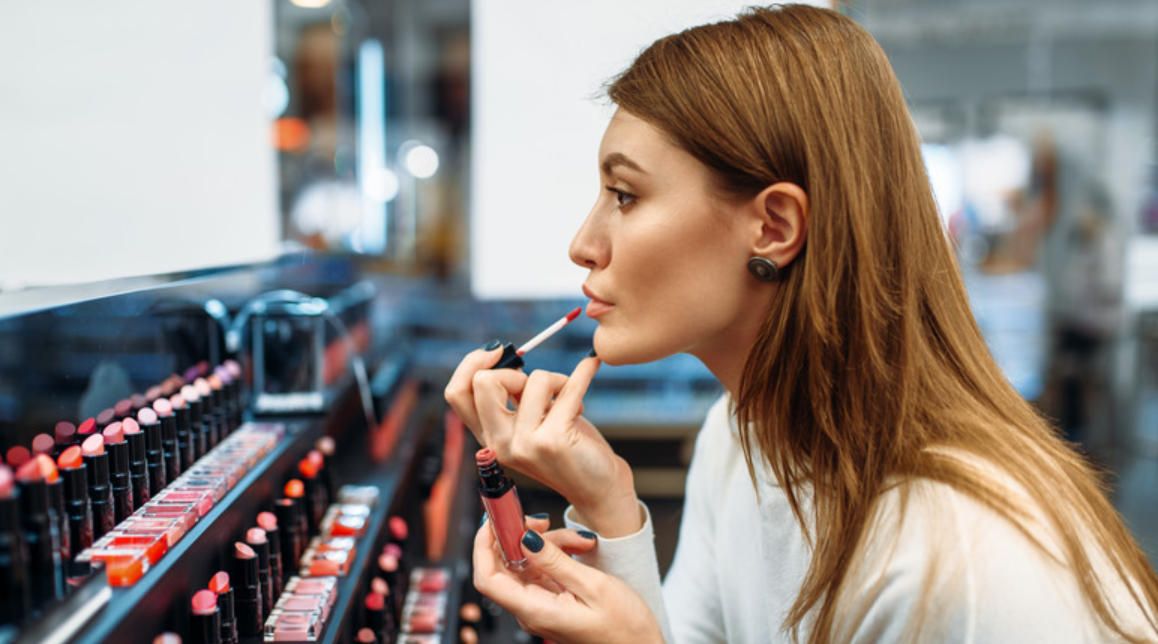
Conclusion: The Sephora Mobile App as North Star for Beauty Tech Ambitions
We've covered tremendous ground—from French perfume shop origins through psychological manipulation techniques, global localization strategies, crisis management case studies, IoT integration opportunities, and practical development roadmaps. The Sephora mobile app analysis reveals what's possible when beauty app development receives serious investment, strategic clarity, and continuous iteration.
Key themes emerged repeatedly:
Mobile isn't channel—it's ecosystem connector. The Sephora mobile app succeeds by linking in-store, online, social, and loyalty experiences into unified customer journeys.
Technology enables but doesn't guarantee success. AR, AI, and sophisticated personalization matter only when serving genuine user needs. Features without utility become costly distractions.
Community multiplies commerce. User-generated content, social features, and peer connections transform transactional apps into sticky destinations.
Loyalty requires genuine value exchange. Points systems work when rewards feel worthwhile. Empty gamification generates cynicism.
Iteration beats perfection. The Sephora mobile app evolved over 15+ years through countless updates, experiments, and refinements. Launch-and-abandon approaches fail.
Local matters globally. Regional variations demonstrate that one-size-fits-all beauty app development ignores cultural, regulatory, and preference differences that determine market success.
Quality assurance saves reputations. Every glitchy update, broken feature, and crashed session damages brand equity accumulated over years. Testing investments protect long-term value.
Content educates toward conversion. Tutorial videos, ingredient guides, and trend content build trust and capability that translates into purchasing behavior.
IoT represents the future frontier. Connected beauty devices will generate data streams demanding sophisticated app integration—opportunities for forward-thinking beauty app development projects.
Whether you're building Sephora-scale retail platforms or focused niche beauty applications, these principles apply. The beauty app development opportunity is massive—global beauty markets expanding, mobile commerce accelerating, consumer expectations rising.
A-Bots.com stands ready to transform your beauty tech vision into reality. Their comprehensive capabilities—custom development, testing services, AR/AI integration, IoT expertise, e-commerce architecture, ongoing support—provide everything ambitious beauty app development projects require.
The Sephora mobile app set standards. Now, armed with understanding of what makes it exceptional, you can pursue your own beauty tech ambitions with clarity and confidence.
The next beauty app success story could be yours. The first step? Reaching out to A-Bots.com to explore possibilities.
This comprehensive analysis was prepared to inform entrepreneurs, product managers, and technology leaders considering beauty app development investments. All statistics and figures cited derive from publicly available sources including Statista, LVMH financial reports, industry publications, and company announcements. For custom beauty app development projects tailored to your specific requirements, contact A-Bots.com today.
✅ Hashtags
#BeautyAppDevelopment
#SephoraMobileApp
#BeautyTech
#MobileAppDevelopment
#ARBeauty
#VirtualTryOn
#BeautyIndustry
#CosmeticsApp
#EcommerceApp
#RetailTechnology
#AugmentedReality
#LoyaltyProgram
#MobileCommerce
#BeautyInnovation
#AppDevelopment
#DigitalBeauty
Other articles
Mobile App Development Orlando Orlando has emerged as one of America's fastest-growing technology hubs, with tech employment reaching 77,700 workers and generating $15 billion annually. This comprehensive guide explores mobile app development Orlando opportunities through detailed reviews of six popular local applications: SeaWorld Orlando app, Star 94.5 Orlando app, Hits 96.5 Orlando app, FOX 35 Orlando weather app, Viva FM Orlando app, and Aquatica Orlando app. Each review analyzes features, user experience issues, and improvement opportunities. A-Bots.com offers custom development and clone app services for businesses seeking to capitalize on Central Florida's unique market. With over 70 completed projects, A-Bots.com delivers professional mobile solutions and comprehensive QA testing services.
Seattle App Development: Mobile Apps for Taxi, Sports, Security and Weather This article dives deep into Seattle app development using four familiar local experiences: the Seattle Yellow Cab app, the 710 ESPN Seattle (Seattle Sports 710) app, Hiya’s Seattle-born call security, and a dedicated Seattle weather app. For each category, we unpack what works, where UX and architecture fall short, and how businesses can go beyond “me-too” apps with smarter, more integrated solutions. A-Bots.com is presented as a custom engineering partner that can deliver clone or like-app development—taxi, sports media, voice security, or weather-driven services—designed specifically for the way people live and work in the Puget Sound region.
San Francisco Mobile App Development: 5 Real Apps Reviewed San Francisco leads global mobile innovation, and this expert analysis reveals what makes city apps succeed or fail. A-Bots.com reviews five essential urban applications: parking payment systems handling millions in daily transactions, Flywheel taxi's surprising partnership with Uber, SnapCrap's viral solution to San Francisco's sanitation crisis, MuniMobile's $25.4 million transit platform, and Bay Ferry's marine ticketing system. Drawing from 70+ completed projects, the article provides technical insights into GPS accuracy challenges, payment processing security, real-time data synchronization, and quality assurance testing that ensures applications work reliably in demanding urban environments.
Boise App Development: Mobile Solutions for Idaho's Capital Professional Boise app development guide exploring mobile technology opportunities in Idaho's capital. A-Bots.com delivers comprehensive iOS, Android, and cross-platform solutions backed by 70+ completed projects. Article features in-depth ParkMobile analysis demonstrating parking management applications serving 1 million annual Boise visitors. Examines outdoor recreation app potential supporting $4.8 billion local tourism industry, including Bogus Basin resort and Boise River Greenbelt systems. Explores healthcare technology opportunities with St. Luke's Health System implementing AI-powered patient care solutions. Includes expert quotes from Steve Jobs and Bill Gates, real market statistics, technical implementation details, and business guidance for selecting development partners.
Custom Beauty App Development Services: Learning from Shark Beauty's $20B Market Success Discover how Shark Beauty achieved number 1 market position in skincare devices within 11 months through strategic mobile app development. Learn why beauty technology devices require sophisticated applications for IoT connectivity, AI personalization, and AR features. A-Bots.com provides custom mobile app development services for beauty device manufacturers. With expertise in IoT integration, artificial intelligence, augmented reality, and comprehensive testing, we help beauty tech companies build complete ecosystem solutions.
Top stories

Copyright © Alpha Systems LTD All rights reserved.
Made with ❤️ by A-BOTS