
Home
Services
About us
Blog
Contacts
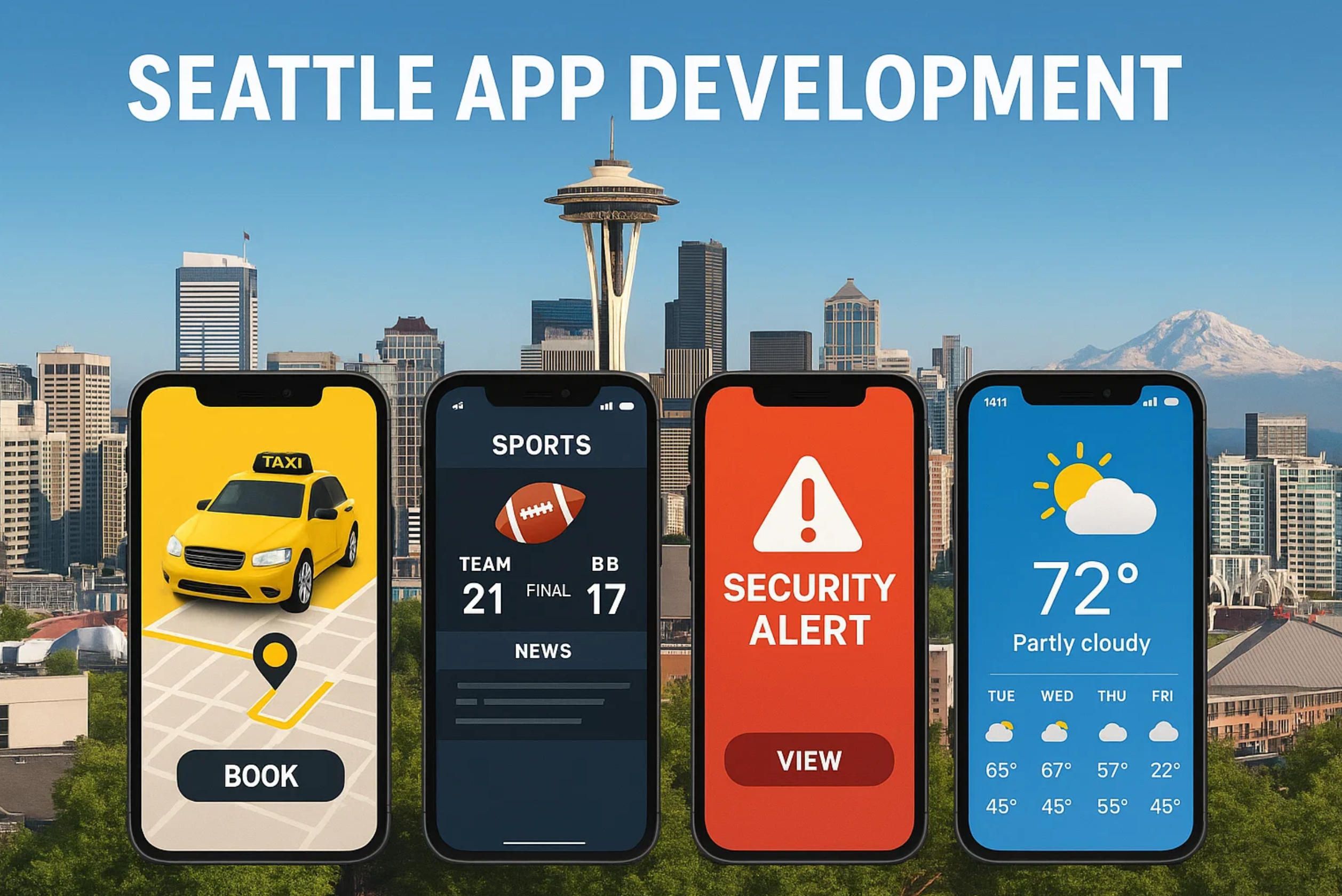
Seattle App Development: Mobile Apps for Taxi, Sports, Security and Weather
Seattle has spent decades earning its reputation as the cloud capital of the world — not just because of the gray skies over Elliott Bay, but because Amazon, Microsoft, and hundreds of startups between South Lake Union and Pioneer Square run mission-critical software for the rest of the planet. Today, the tech industry in Greater Seattle generates roughly $148.9 billion in annual economic impact and supports more than 193,400 tech jobs, with further growth projected in the coming years. (Greater Seattle Partners) In that environment, seattle app development isn’t “let’s ship one more app to the stores.” For a local business in Ballard, a scale-up in Fremont, or an enterprise in Bellevue, it’s a question of competitiveness: who builds the smarter, more reliable, better-integrated digital product wins the market.
At the same time, the numbers explain why so many Seattle companies look for engineering partners beyond I-5 and the Link light rail map. The startup ecosystem is valued at about $90.8 billion, with nearly $2.9 billion in early-stage funding (seed and Series A) between 2022 and 2024 — far above the global average. (startupgenome.com) Seattle now ranks among the world’s leading startup ecosystems and consistently shows up in top-tier rankings for software and SaaS innovation. (GeekWire) That’s great news for the region, but it also means recruiting senior engineers in Capitol Hill or Redmond has become a contact sport, and in-house product teams feel constant pressure on both budget and time-to-market.
The AI wave has only amplified that pressure. Recent analyses put Greater Seattle second in the U.S. for AI job openings, with around 1,472 AI-related roles posted as of early 2025 and one of the highest rates of new AI listings per capita. (Axios) In other words, your next mobile app is competing not just with other local apps, but with Azure, AWS, and every AI startup in town for the same pool of talent. As Peter Drucker liked to remind us, “The greatest danger in times of turbulence is not the turbulence; it is to act with yesterday’s logic.” For Seattle businesses, acting with yesterday’s logic often means trying to staff every feature in-house — even when a specialized external partner could move faster and de-risk the entire roadmap.
A-Bots.com positions itself as exactly that kind of partner for seattle app development: a custom mobile and IoT engineering team that plugs into your product like an external R&D unit. We design and build cross-platform mobile apps (React Native, Flutter), native iOS and Android clients, and backends that are comfortable handling real-time data — from live taxi locations and audio streams to weather feeds and telephony events. Our work rarely lives in a vacuum: we integrate with existing CRMs, billing systems, mapping providers, carrier APIs, smart devices, and whatever else your stack already depends on. For a business in the Puget Sound area, that means you don’t have to choose between “local product ownership” and “global engineering velocity” — you can keep the product brain in Seattle and extend the engineering muscle with A-Bots.com.
Equally important, we treat architecture, testing, and operations as first-class citizens. That includes secure data flows, observability (metrics, logs, traces), automated test suites, CI/CD pipelines, and infrastructure that won’t crumble the first time your app gets featured during a Seahawks game or a Pine Street traffic spike. Whether you need a precise clone development of an existing concept (“build us something like this, but better for Seattle”) or a more open-ended like-app development approach, we start from your domain constraints and scale goals, not from one generic template.
In this article, we’ll look at seattle app development through four very local lenses you’ll recognize if you live anywhere between West Seattle and Shoreline. We’ll unpack how the Seattle Yellow Cab app handles urban mobility, what users really get when they search for a “710 ESPN Seattle app,” why Seattle-born Hiya became a reference point in call security, and what a dedicated Seattle weather app does (and still doesn’t do) for life in the Emerald City. For each of these, we’ll examine what works, where there’s room for improvement, and how A-Bots.com could design a clone or “inspired-by” solution that fits your specific business — whether you’re dispatching cabs in SoDo, streaming sports talk from Lumen Field, protecting phone calls for local banks, or building a weather-aware service for people who actually bike the Burke-Gilman in February.
Seattle Yellow Cab App: Local Mobility, Old-School Brand, New-School UX
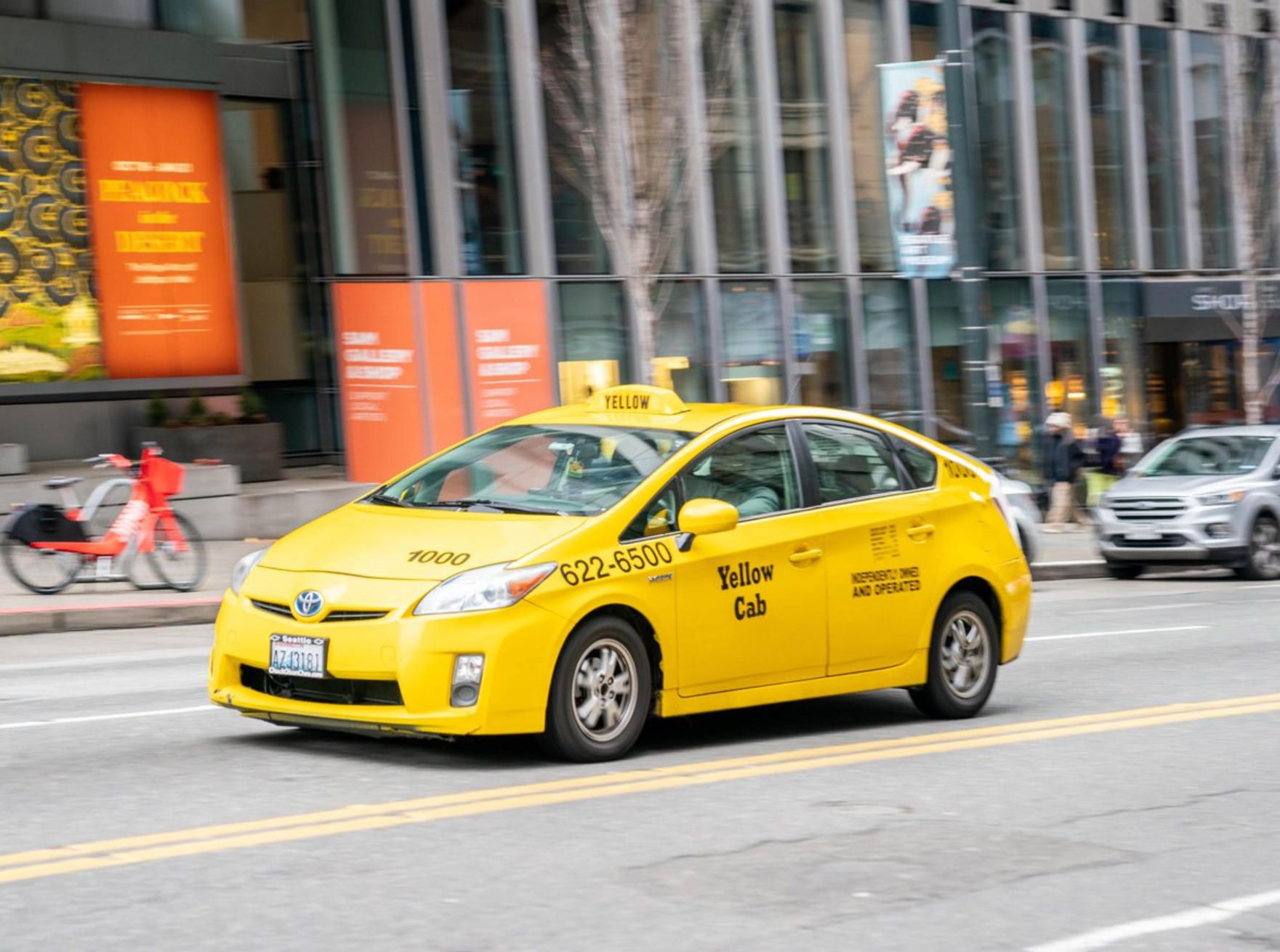
If you live in Seattle long enough, you eventually discover something surprising: the Seattle Yellow Cab app can be noticeably cheaper than Uber or Lyft, especially for airport runs from Sea-Tac to neighborhoods like Ballard or Beacon Hill. Local riders in community forums often report fares that are 20–40% lower than the big ride-hailing platforms, with one traveler comparing a $65–$68 Yellow Cab ride to $90+ on Lyft and $100+ on Uber for the same route. (Reddit) The trade-off? You sometimes wait a bit longer for a car. That tension between price, speed, and reliability is exactly what makes the Seattle Yellow Cab app an interesting case study for seattle app development.
From a pure feature standpoint, the Seattle Yellow Cab app looks familiar to anyone who has booked a ride in the last decade. You can book a trip in as few as two taps, watch your car move toward you on a live map, and get an immediate confirmation number plus an update when a driver is assigned. (Google Play) The app keeps a 30-day history of your reservations for expense management and quick rebooking, and it lets you create a list of favorite addresses like “Home,” “Office,” or “UW campus” so repeat rides become a one-tap action. (App Store) For a lot of Seattleites who just want a predictable ride to Sea-Tac at 5 a.m., that’s plenty.
Under the hood, the Seattle Yellow Cab app is essentially a mobile front-end to a dispatcher-centric system. The app connects straight to Puget Sound Dispatch, which runs one of the largest taxi fleets in King County and the surrounding communities. (seattle-yellow-cab.en.softonic.com) That architecture is great for fleet utilization and driver assignment, but less optimized for the instant-match model that Uber and Lyft use with decentralized drivers and heavy real-time load balancing. The result is a slightly more “batchy” feel: you book, the dispatch system assigns, and you watch the car appear on the map instead of seeing a dozen vehicles hovering in Belltown in real time.
From the user’s point of view, the Seattle Yellow Cab app experience has some clear strengths:
- Lower, more predictable pricing than many ride-hail options for specific routes (especially airport runs). (Reddit)
- A straightforward, low-friction booking flow with two-tap reservations and basic trip history. (App Store)
- Direct connection to a local company that knows Seattle streets and regulations and isn’t going to disappear because of a surge in another city. (X)
But there are also recurring pain points locals mention in reviews and forums:
- Inconsistent wait times when you pre-book or call during busy periods; reservations occasionally slip or require follow-up. (Tripadvisor)
- An app and website that “could benefit from some UX work” — many riders feel it’s a generation behind modern mobility apps. (Yelp)
- Limited visibility into driver ratings, vehicle quality, and real-time ETAs compared to ride-hailing leaders. (Maddie Ruona)
For anyone thinking about seattle app development in the mobility space, this is a classic “legacy brand meets new expectations” scenario. As Jeff Bezos famously said, “Your brand is what people say about you when you’re not in the room.” In the case of the Seattle Yellow Cab app, people often say “cheaper, local, but slower and clunkier.” That’s a strong foundation—but it also screams opportunity.
This is where A-Bots.com comes in. If a taxi operator, shuttle company, or municipal fleet in the Puget Sound area wanted to build a clone or like-app to compete with the Seattle Yellow Cab app, the goal wouldn’t be to just replicate the UI. It would be to re-engineer the system end-to-end:
- A modern passenger app (React Native or Flutter) with real-time driver locations, granular ETAs, live price estimates, and a polished, Seattle-flavored interface.
- A dedicated driver app with route optimization, shift management, EV-friendly features, and safety tooling.
- A flexible dispatch and pricing engine that can handle airport flat rates, downtown zones, late-night surcharges, and corporate accounts with monthly invoicing. (seattleyellowcab.com)
- Integrations with payment gateways, ORCA-style commuter benefits, and corporate travel systems, so rides booked through the new platform drop seamlessly into existing finance workflows.
On top of that, A-Bots.com would treat observability as part of the product, not an afterthought: latency metrics for dispatch, drop-off heatmaps across Capitol Hill or South Lake Union, conversion funnels from “open the app at Sea-Tac” to “ride completed.” Those data streams are exactly what let you unlock the next layer—dynamic pricing, driver incentives, and better promises to riders (“average pickup time in Queen Anne right now: 7 minutes”).
In short, the Seattle Yellow Cab app shows that there is still plenty of room for innovation in local mobility, even in a market saturated by global players. For businesses exploring seattle app development in transportation—whether you run taxis, shuttles, or corporate fleets—A-Bots.com can build a new generation of taxi and car-service apps that keep Yellow Cab’s local strengths but pair them with the kind of UX and real-time intelligence Seattle users already expect from their phones.
“710 ESPN Seattle app”: From Radio Station to Always-On Sports Companion
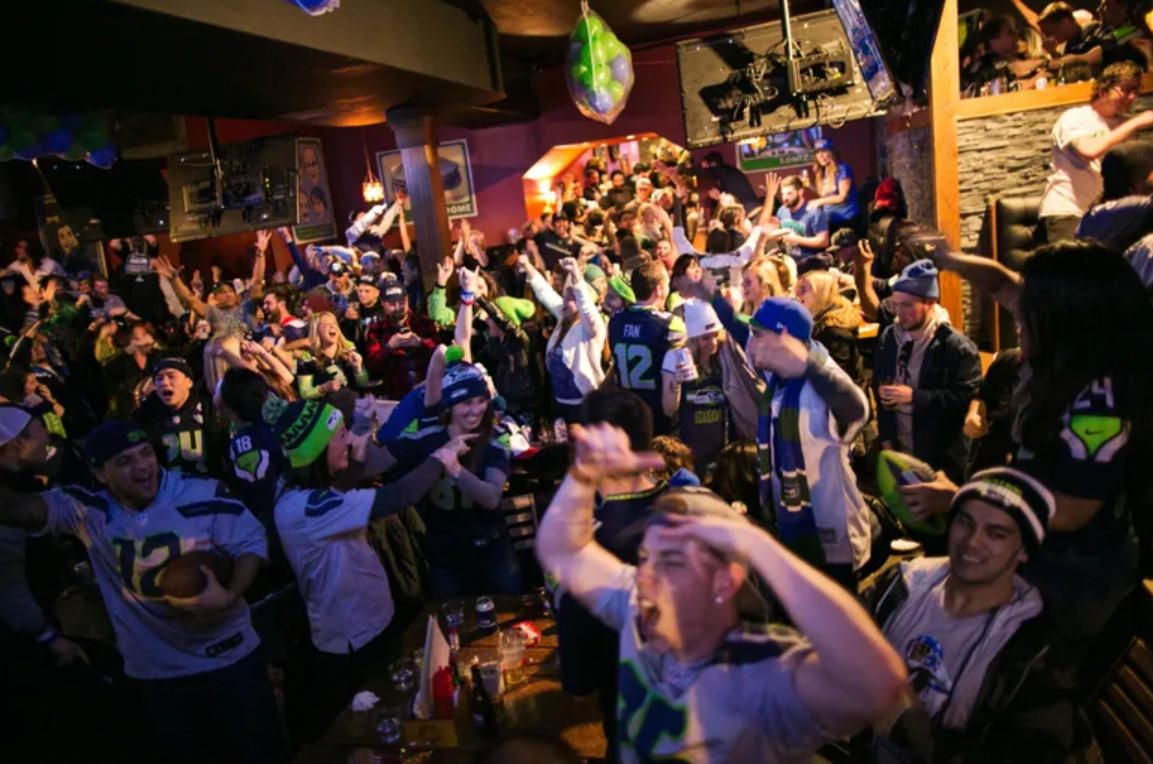
If you’ve ever searched your phone for a “710 ESPN Seattle app” on a game day, you’ve already met the modern incarnation of that idea: the Seattle Sports 710 AM mobile app. Technically, the brand “710 ESPN Seattle” was retired in 2022, when KIRO 710 AM rebranded as Seattle Sports, but for many Seahawks and Mariners fans it’s still the “710 ESPN Seattle app” in everyday conversation. (Википедия) Under the hood, it’s a focused media hub: live sports talk, flagship game broadcasts, on-demand segments, in-studio video, and news updates, all centered on the same frequency that’s been part of Seattle sports culture for decades.
The Seattle Sports app is designed as a re-imagined listening experience for Seattle Sports fans. It lets you listen live to Seattle Sports 710 AM, the radio home of the Seattle Seahawks and Seattle Mariners, plus a slate of local sports shows hosted by names you probably recognize from your commute — Brock Huard, Mike Salk, Michael Bumpus, Stacy Rost, Bob Stelton, Dave Wyman, and others. (App Store) For fans inside the Mariners’ broadcast territory (Washington, Oregon, Idaho, Montana, Alaska, and B.C.), the Seattle Sports 710 AM App even streams games without blackouts, something the club explicitly promotes alongside SeattleSports.com. (MLB.com) In practice, that means the “710 ESPN Seattle app” in your head is now a full-fledged Seattle Sports app on your phone.
From a feature perspective, the Seattle Sports 710 AM app does several things well:
- Live radio streaming of the Seattle Sports 710 AM feed, effectively turning your phone into a pocket radio for local sports talk and play-by-play. (Google Play)
- On-demand podcasts and highlight segments, so you can catch up on Salk & Brock or Bump & Stacy after a meeting or a Link ride from Capitol Hill. (App Store)
- News articles and in-studio video, integrated into the same interface, which keeps the app from being “just another streaming player.” (App Store)
That’s a solid baseline for any 710 ESPN Seattle app clone or look-alike: a unified entry point for live streams, VOD, and written content, all tied to the same on-air personalities and team partnerships. It’s also a reminder that “radio apps” in 2025 are really sports media apps with radio as one channel.
At the same time, a closer look reveals gaps that any ambitious sports network, podcast collective, or rights holder in the Puget Sound region would care about if they tackled their own version of a 710 ESPN Seattle app:
- Limited personalization. The app doesn’t deeply adapt to whether you’re a Seahawks-first, Mariners-only, or Cougs-obsessed listener; the experience is mostly one-size-fits-all. (App Store)
- Basic engagement tools. There’s little in the way of interactive polls, live chat, watch-along experiences, or fantasy/gaming integrations that many modern fans expect during big games.
- Fragmented second-screen experience. The “second screen” for Lumen Field or T-Mobile Park is still Twitter, a stats site, and maybe a betting app — not the “710 ESPN Seattle app” experience itself.
For anyone looking at seattle app development in sports media, the lesson is clear: the Seattle Sports 710 AM app proves the value of a dedicated, station-branded app, but it doesn’t yet exhaust what’s possible. As Bill Walsh famously put it, “The score will take care of itself” — but only if you execute the fundamentals better than your competition. In app terms, those fundamentals are personalization, community, and multi-modal content.
This is where A-Bots.com can turn a concept like the 710 ESPN Seattle app into a next-generation platform. For a station, team, or media group in Seattle that wants its own sports app, A-Bots.com would approach it not as “just a radio stream in an app shell,” but as a modular digital product with:
- A content graph and recommendation engine that learns whether a user is primarily there for Seahawks talk, Mariners postgame, college sports, or national ESPN content — and reshapes the home feed, notifications, and “Up Next” queue around that.
- A rich second-screen mode that syncs to live games: drive summaries, win-probability charts, player cards, instant replays, context-aware notifications (“Red zone alert: Seahawks inside the 10”), and optional tie-ins to fantasy or prediction games where legally permitted.
- Deep live interaction features such as in-app Q&A, real-time polls, “call the show” shortcuts, and community chat rooms that turn passive listeners into an active fan base.
Architecturally, building a 710 ESPN Seattle app-style experience the A-Bots.com way means focusing on scalability from day one. Live audio and in-studio video can be delivered via low-latency streaming protocols; metadata for shows, segments, and ad markers lives in a structured content store; and analytics track not just total listen time, but segment-level engagement (“how many people actually finish the third quarter breakdown?”). With the right instrumentation, you can start to make decisions about programming and UX based on real fan behavior across Seattle, Tacoma, Everett, and beyond.
And then there’s distribution. The original 710 ESPN Seattle app idea has already expanded to a web stream, third-party aggregators like TuneIn and myTuner, smart speakers, and team sites that reference Seattle Sports 710 AM as the flagship. (radio.net) A-Bots.com can help tie all of that into a coherent ecosystem: deep links from schedule pages, single sign-on across web and mobile, shared preferences, and cross-promotion with team apps or ticketing systems.
For local sports brands, the big picture is simple: fans in Seattle already expect to find a “710 ESPN Seattle app” in their app store and to use it as a direct line to live games and talk. The opportunity now is to build the next generation of that experience — one where the app knows your teams, your habits, and your game-day rituals as well as you do. That’s the kind of clone-plus or like-app development that A-Bots.com specializes in: taking a familiar concept like the 710 ESPN Seattle app, keeping everything Seattle fans love about it, and then layering on the personalization, interactivity, and technical resilience that will still feel modern five seasons from now.
Hiya Seattle: Voice Security, AI Calls, and What It Teaches About App Development
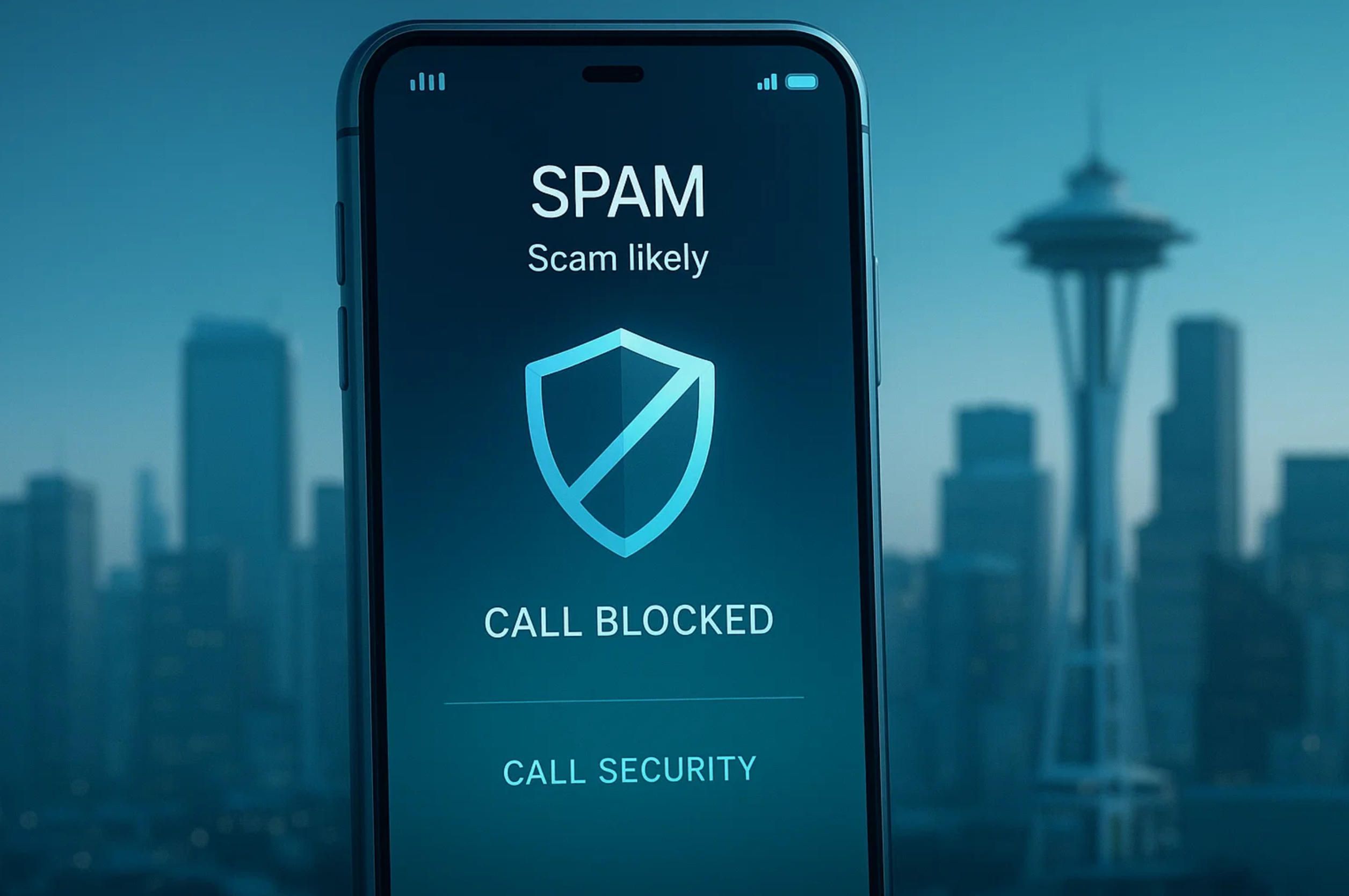
If you type “hiya seattle” into a search bar, you’re usually not just chasing a brand—you’re trying to figure out who’s actually protecting your phone from spam and scam calls. For a huge number of Samsung Galaxy users and carrier subscribers in the Seattle area, the answer is Hiya: a Seattle-based voice security company that quietly sits between your phone and the rest of the world. Their own stats (often quoted in media) suggest that close to a quarter to a third of all calls people receive can be suspected spam or fraud. (The Verge) In a city full of busy professionals, that’s not just annoying; it’s a serious productivity and safety issue.
Hiya isn’t just “some app from somewhere.” It’s a company headquartered in downtown Seattle, at 701 5th Ave, right in the financial core. (hiya.com) From there, Hiya runs a platform that powers call protection for hundreds of millions of users in more than 60 countries, including via services like AT&T Call Protect and Samsung Smart Call. (telcomagazine.com) When people talk about “hiya seattle” in the context of seattle app development, they’re really talking about a local company that has turned phone spam into a global-scale AI and data problem.
On the consumer side, Hiya offers the Hiya: Spam Blocker & Caller ID app on iOS and Android. It’s pitched as more than a simple call blocker: an upgraded call experience with advanced caller ID, spam and scam blocking, and caller reason display on incoming calls. (Google Play) Instead of just “Unknown number,” you might see “Likely fraud,” “Spam risk,” or the name of a legitimate business that’s actually trying to reach you. For everyday users in neighborhoods from Queen Anne to Renton, that’s a small UX detail that makes a big difference in whether you pick up the phone.
In 2024–2025, Hiya doubled down on this idea with Hiya AI Phone, a separate app that acts like a personal AI call assistant. It can answer unknown calls on your behalf, ask callers to state their name and purpose, detect synthetic or AI-generated voices in real time, and then decide whether to connect the call to you. (blog.hiya.com) On top of that, it summarizes and transcribes calls, so you have notes ready without scribbling anything down yourself. For busy Seattleites juggling stand-ups, ferry schedules, and kid drop-offs, that’s the kind of “quiet superpower” people expect from an app when they search for hiya seattle on their phone.
Behind these user-facing features is a serious engineering story. Hiya’s network-level platform (Hiya Protect) analyzes enormous volumes of calls, blocking spam and fraud at the carrier level and feeding intelligence into apps like Hiya itself and Samsung Smart Call. It reportedly supports over 200 million active users and handles hundreds of millions of calls per day, using adaptive AI models that react when spammers change numbers, tactics, or geographies. (telcomagazine.com) Strategic partnerships, like their extended agreement with Samsung through 2028 to power Smart Call and Hiya Connect on new Galaxy devices, show just how embedded this “Seattle logic” has become in the global smartphone ecosystem. (hiya.com)
From a seattle app development point of view, the “hiya seattle” story illustrates three important truths:
- The biggest “apps” are often platforms plus apps—a cloud brain, carrier/OEM integrations, and then a consumer experience on top.
- AI is no longer a feature; it’s the core engine, especially when your job is to distinguish legitimate calls from scams in milliseconds.
- Trust is the product. As Bruce Schneier famously put it, “Security is a process, not a product.” In practice, that means constant model updates, telemetry, and feedback loops—not a one-off release.
So what does this mean if you’re a Seattle-based business, telecom, bank, or SaaS company looking at your own “hiya seattle” moment—maybe not for the whole world, but for a specific customer base?
This is where A-Bots.com fits in. We don’t clone Hiya itself—but we can build clone-style or like-app solutions for adjacent problems:
- A white-label call protection app for a regional carrier or MVNO that wants “Hiya-grade” spam detection but tailored to specific markets or subscriber segments.
- A secure caller ID and branded call experience for banks, healthcare providers, or utilities, where missed calls and customer mistrust directly translate into lost revenue and support costs.
- A voice analytics layer for contact centers, blending call summarization, intent detection, and compliance alerts into existing telephony and CRM systems.
Architecturally, A-Bots.com would approach a “hiya seattle”-inspired project as a distributed system, not a single app icon:
- A real-time inference backend that scores calls based on metadata, historical patterns, and external threat feeds.
- An on-device component (iOS/Android) that handles UI, local privacy rules, and edge decisions when connectivity is weak or latency budgets are tight.
- A data pipeline that anonymizes and aggregates events so models can improve without exposing individual users’ private information.
Because Hiya works directly with OEMs like Samsung and carriers like AT&T and BT Group, any serious clone or like-app-style product must also navigate integration and trust. A-Bots.com is used to building products around third-party APIs and SDKs—whether that’s existing call protection platforms, telco signaling, or mobile OS capabilities. We can help clients decide when it makes sense to build their own intelligence versus when to layer value on top of established ecosystems like Hiya, Truecaller, or carrier-native tools.
For local teams in the Puget Sound region, an important nuance is that “hiya seattle” is both a brand and a pattern. The brand is the company at 5th Ave. The pattern is the idea that a Seattle-grown app can:
- Solve a brutally annoying everyday problem (spam calls).
- Use AI and network-level data to solve it at scale.
- Then export that solution globally while still hiring and building in downtown Seattle.
When A-Bots.com works with clients on seattle app development in security, communications, or AI tooling, we treat that pattern as a blueprint: start with a real local pain point; design an app that hides complexity behind clean UX; and then architect it so the solution scales beyond the city limits—just like Hiya did.
In other words, if your team is dreaming up the next “hiya seattle” for your own niche—whether that’s protecting customers from fraud, automating call workflows, or rethinking how people interact with voice in a post-spam world—A-Bots.com can help you move from idea to a production-ready app and platform. The goal isn’t to copy Hiya’s logo; it’s to replicate the Seattle-grade combination of engineering depth, AI sophistication, and everyday usefulness that made people search for hiya seattle in the first place.

Seattle Weather App: Surviving the Rain (and Making Data Actually Useful)
In Seattle, checking the forecast is practically a reflex. You glance out at Elliott Bay, you open a Seattle weather app, and then you decide whether you’re grabbing a light shell, a serious Gore-Tex, or just accepting your fate. Among local options, one of the most recognizable is the FOX 13 Seattle Weather App — a dedicated, hyperlocal Seattle weather app that focuses on the needs of Puget Sound rather than the entire planet.
At its core, this Seattle weather app combines a familiar TV weather experience with mobile-first features. It offers a high-resolution radar (down to a few hundred meters), future radar projections, satellite imagery, and hourly and 10-day forecasts tuned for neighborhoods across the region — from Tacoma to Everett, from the Kitsap Peninsula to the Cascade foothills. Severe weather alerts from the National Weather Service are delivered as push notifications, and the app uses your phone’s GPS to follow you as you move, updating conditions and alerts for your current location. This is the baseline you now expect from any Seattle weather app that claims to understand the local microclimates.
The FOX 13 Seattle weather app also leans into a “broadcast-plus” model. The same meteorologists you see on TV have their forecasts, video clips, and commentary integrated into the app’s content. That gives the Seattle weather app a sense of personality: instead of generic icons, you’re often getting context — why a particular convergence zone might set up over Shoreline, or how a Pineapple Express is going to play with the snowpack in the Cascades. For many Seattleites, that trusted voice from TV is still a big part of why they choose one Seattle weather app over another.
From a product design standpoint, the FOX 13 Seattle weather app gets several things right:
- It’s geo-aware and tuned to local geography, not a generic U.S. template.
- Its radar and satellite views are detailed enough for everyday decisions: “Can I bike across the I-90 bridge without getting drenched?”
- Severe weather alerts are prominent and timely, which matters when windstorms or lowland snow events threaten power, ferries, or commutes.
But if you look at the Seattle weather app landscape through the lens of seattle app development, it’s clear there’s still a lot of untapped potential:
- Most Seattle weather app experiences are still single-purpose: they show weather, but don’t deeply connect it to how you live — commuting, hiking, boating, running, or managing operations for a local business.
- Personalization is usually light. A Seattle weather app might remember your home and work, but it rarely learns that you care more about trail conditions at Rattlesnake Ledge than about generic “breezy with showers.”
- Integration with smart devices and services is minimal. Your Seattle weather app may know it will pour on Capitol Hill, but it doesn’t automatically coordinate with your smart sprinklers in Kirkland, your building’s HVAC, or your delivery scheduling system.
This is exactly the kind of gap A-Bots.com focuses on. Instead of treating a Seattle weather app as just a forecast screen and radar, we treat it as a weather-driven decision engine that can plug into the rest of your digital world.
For a media outlet or local brand that wants its own Seattle weather app, A-Bots.com can build a clone-style or like-app experience that starts with what FOX 13 does well — clean radar, reliable forecasts, trusted personalities — and then layers on:
- Activity-aware UX: surfacing different views depending on whether a user flags themselves as a commuter, cyclist, boater, skier, or event organizer. Your Seattle weather app becomes a personal assistant, not a static chart.
- Smart alerts and scenarios: instead of just “rain tomorrow,” the app can say “heavy rain between 4–6 PM on the West Seattle Bridge; consider shifting your departure” or “high wind watch for Bainbridge ferries; expect delays.”
- IoT and operations integration: for businesses, a Seattle weather app can link to irrigation controllers, outdoor seating systems, construction schedules, or field operations — automating or recommending actions when certain thresholds are met.
Architecturally, a modern Seattle weather app from A-Bots.com would be built around a robust data layer: multiple forecast models, radar and satellite feeds, historical data, and user behavior analytics. On top of that, we’d implement rule engines and machine learning models that translate raw data into domain-specific recommendations. The same backend could power a consumer Seattle weather app, an internal dashboard for a logistics company, and a weather widget embedded in other local apps.
From a user’s perspective, the difference is simple: instead of opening a Seattle weather app just to see “Showers, 52°F,” you open it to answer concrete questions — “Can I barbecue in Ballard this evening?”, “Will my deliveries make it through Snoqualmie Pass tomorrow?”, “Is it actually safe to take the kayak out from Alki this weekend?” When your Seattle weather app can answer those questions reliably, it stops being an accessory and becomes infrastructure.
For companies in the Puget Sound region that see opportunity in weather-aware services — whether you run events at Seattle Center, manage fleets from SoDo, or serve outdoor enthusiasts from Bellingham to Olympia — A-Bots.com can help turn a conventional Seattle weather app idea into a platform. We’ll keep everything people already appreciate about familiar local apps like FOX 13’s offering, but architect it for deeper personalization, smarter automation, and tighter integration with the real-world systems that keep life running in the Emerald City, rain or shine.
FAQ: Seattle App Development with A-Bots.com
Q1. What do you mean by “Seattle app development”?
When we say Seattle app development, we mean building mobile apps and connected systems for organizations that operate in or around the Puget Sound area—whether that’s a local taxi fleet, a sports station streaming from SoDo, a fintech startup in South Lake Union, or a logistics company in Kent. It’s not just about geography; it’s about understanding how local users move, commute, consume media, and work.
Q2. Why would a Seattle company work with A-Bots.com instead of only hiring local developers?
Because the competition for senior engineers in Seattle is intense and expensive. A-Bots.com lets you keep product ownership and strategy in-house while extending your engineering capacity with a specialized, battle-tested team. You still define the roadmap; we help you implement it faster, with deeper expertise in mobile, IoT, mapping, and integrations.
Q3. Can you build a clone of an existing Seattle app, like a taxi, sports, or weather app?
We can build a functional clone or “like app” that reproduces the experience and core workflows—but with a fresh codebase, improved architecture, and features tailored to your business. What we don’t do is copy somebody else’s brand, assets, or proprietary data. Think of it as: “Everything users love about that app, but built for your fleet, your audience, or your use case.”
Q4. What platforms do you support for Seattle app development?
We build:
- Cross-platform apps with React Native or Flutter
- Native iOS (Swift/Objective-C) and Android (Kotlin/Java) apps
- Backends and APIs (Node.js, Go, Python, etc.) hosted in AWS, Azure, GCP or on-prem
You can launch on iOS and Android together, or start with a single platform and grow.
Q5. How much does it cost to develop a custom app for the Seattle market?
Costs vary widely. A small, focused MVP might start in the low five-figure range (USD), while a full taxi platform, sports media hub, or AI-powered communication tool can reach six figures and beyond, especially with complex integrations and long-term support. We normally break projects into phases—discovery, MVP, then iterative releases—so budget and scope stay transparent.
Q6. How long does a typical Seattle app development project take?
A realistic timeline for an MVP is usually 3–5 months from discovery to store release, depending on complexity and how many integrations we’re handling (payments, mapping, telephony, weather data, etc.). Larger platforms, like a multi-tenant fleet or media system, might take several additional phases. We prefer to ship early and iterate, rather than disappear for a year.
Q7. Can you integrate with local services like ORCA, WSDOT APIs, or Seattle-specific data feeds?
Yes, assuming the underlying services expose APIs or data access. We regularly integrate external systems: public transit APIs, mapping providers, traffic and weather feeds, payment gateways, or telecom services. For Seattle, that might mean pulling ferry status, bridge closures, or traffic alerts into your mobility or logistics app.
Q8. We already have a legacy app built by another vendor. Can A-Bots.com take it over?
Often, yes. We start with a code and architecture review, identify risk areas (security, performance, maintainability), and map a migration path: refactor in place, rebuild modules, or create a new app while keeping the existing one running. For many Seattle teams, this is the fastest route from “we’re stuck with an old app” to “we control our roadmap again.”
Q9. How do you handle time zones if you’re not physically based in Seattle?
We align our collaboration hours with your core working window—for example, overlapping with Pacific Time for stand-ups, reviews, and decision meetings. Most of our clients treat us as a remote extension of their in-house team: shared Slack or Teams channels, regular demos, and transparent issue tracking.
Q10. What about security and compliance for regulated industries in Seattle (finance, healthcare, public sector)?
We design with security and compliance in mind:
- Encryption in transit and at rest
- Proper authentication and authorization (OAuth2, OpenID Connect, SSO)
- Role-based access, audit logging, and data retention policies
For regulated sectors we also align with applicable standards (for example, working toward HIPAA-friendly architectures for healthcare data or PCI-aware patterns for payments). We can collaborate with your legal and compliance teams to make sure the app fits your internal rules.
Q11. Can you build AI-powered features similar to what Hiya does for call and spam intelligence?
We can build AI-powered components—classification, scoring, summarization, anomaly detection—and integrate them into your app and backend. We don’t duplicate Hiya’s proprietary models, but we can design similar “decision engines” for your domain: fraud signals for your own customers, smart alerts in your weather or logistics app, or AI-assisted workflows for dispatch and customer support.
Q12. Do you only work on B2C apps, or also B2B and internal tools?
A-Bots.com does all three. Many Seattle app development projects we see are B2B or internal: fleet dashboards for dispatchers, field-service apps, inventory and logistics tools, or private apps for event operations. Consumer-facing apps (transport, sports, media, consumer services) are also part of our portfolio.
Q13. Can you help us validate whether our app idea makes sense for Seattle users before we invest heavily?
Yes. We can run a discovery and prototyping phase: user journeys, clickable prototypes, technical feasibility checks, and rough cost/time estimates. This is especially useful if you’re not sure whether a new taxi, sports, or weather driven concept really solves a local problem—or if you’re deciding between multiple features for your first release.
Q14. How do you ensure performance and reliability once the app is live?
We treat operations as part of the product. That means setting up:
- Monitoring and logging for backend and mobile
- Crash and performance analytics (for example, tracking app load times and error rates)
- Alerting and dashboards so we can see problems before your users do
For high-traffic Seattle app development projects (live games, big events, rush-hour usage), we plan for load testing and capacity scaling ahead of time.
Q15. Can you support apps that rely heavily on maps, geolocation, and real-time tracking?
Absolutely. Many of the Seattle-centric use cases—taxis, deliveries, on-demand services, outdoor activities—are heavily map-driven. We work with Google Maps, Mapbox, and other providers to implement live vehicle tracking, route optimization, ETA calculations, geofencing, and location-based alerts, tuned to the way people actually move around the Puget Sound region.
Q16. Do you help with app store submissions and ongoing updates?
Yes. We handle the full release process: preparing builds, metadata, screenshots, privacy information, and dealing with App Store and Google Play requirements. After launch, we support iterative updates, bug fixes, and new features, so your app doesn’t stagnate after version 1.0.
Q17. Can you work with our in-house designers and product managers?
We’re used to working alongside internal teams. If you already have UX/UI designers and product managers in Seattle, we plug in as the engineering partner. If you don’t, we can bring UX and product support from our side to help clarify requirements and design user flows.
Q18. How do you handle data ownership and intellectual property?
You own your product. The code, infrastructure configuration, and documentation we deliver for a custom project are transferred to you under the terms of our contract. A-Bots.com may reuse general, non-client-specific components (internal libraries, patterns), but your app logic and assets are yours.
Q19. Do you provide ongoing maintenance and SLA-style support for Seattle apps?
Yes. Many clients opt for a long-term maintenance and support agreement after launch. That can include guaranteed response times for critical issues, regular updates for OS and library changes, and a planned roadmap of small improvements so your app keeps pace with user expectations and platform updates.
Q20. How do we start a Seattle app development project with A-Bots.com?
The simplest way is to start with a short discovery call. You describe your idea—maybe “a better taxi platform than the current Seattle Yellow Cab app,” “a next-gen 710 ESPN-style sports experience,” “a Hiya-inspired security layer,” or “a weather-aware logistics tool”—and we ask clarifying questions, outline options, and propose a phased approach. From there, we move into a formal discovery phase, align on scope and budget, and then start building.
If you’re exploring your own vision for Seattle app development—whether it’s for mobility, media, security, or something completely different—A-Bots.com can help you go from “interesting concept” to a real app that Seattle users will actually install, keep, and rely on.
✅ Hashtags
#SeattleAppDevelopment
#MobileAppDevelopment
#SeattleTech
#TaxiAppDevelopment
#SportsAppDevelopment
#WeatherApp
#HiyaSeattle
#IoTApps
#CustomApps
#CloneAppDevelopment
#B2BSoftware
#ABots
Other articles
Austin App Development Company | Custom Mobile Apps A-Bots.com Austin has earned its reputation as Silicon Hills, ranking fifth among North American tech markets with nearly 100,000 tech professionals driving innovation across AI, cybersecurity, and mobile development. For businesses seeking an Austin app development company, the city offers unparalleled access to world-class talent, venture capital investment exceeding $2.2 billion in 2024, and a thriving startup ecosystem of 5,500 companies. This comprehensive guide explores why Austin became a tech powerhouse, examines development costs ranging from $10,000 MVPs to $200,000+ enterprise platforms, and highlights industry verticals where local developers excel. Whether you need custom mobile applications, IoT integrations, or comprehensive QA testing, partnering with an experienced Austin app development company like A-Bots.com positions your business for digital transformation success.
Staffless Parking App Development: Technical Specifications 2026 A-Bots.com presents comprehensive parking app development specifications combining IoT occupancy detection, ANPR camera systems, automated access control, and custom software solutions. This technical guide details implementation architectures from small private lots to city-wide deployments, featuring real hardware specifications including Libelium dual-sensor nodes, Raspberry Pi-based detection systems, Parklio barriers, and FAAC security bollards. Coverage includes staffless operation strategies, fair distribution algorithms for residential complexes, payment integration, dynamic pricing engines, and scalability considerations. Complete development timelines and investment estimates provided for projects ranging from basic 20-space facilities to enterprise 2000-space metropolitan implementations.
Mobile App Development Company San Diego | A-Bots.com A-Bots.com operates as a mobile app development company in San Diego, delivering custom iOS and Android solutions across four strategic industries. With over 70 completed projects, the company serves life sciences organizations requiring HIPAA-compliant applications, tourism businesses enhancing visitor experiences, defense contractors developing secure military systems, and maritime operations implementing IoT monitoring platforms. A-Bots.com provides comprehensive development and testing services, ensuring applications perform reliably across devices while meeting industry-specific regulatory requirements and security standards throughout San Diego's diverse economic ecosystem.
Louisville App Development Company - Mobile App Solutions Louisville app development by A-Bots.com delivers custom mobile solutions for Kentucky's innovation hub. With over 70 completed projects, A-Bots.com specializes in creating apps for bourbon tourism, smart parking systems, and enterprise business solutions. The company offers native iOS and Android development, cross-platform solutions, IoT integration, and comprehensive QA testing. Louisville generates over 30% of Kentucky's GDP and attracts millions of tourists annually, creating demand for sophisticated mobile applications. A-Bots.com's expertise spans tourism apps like the Kentucky Bourbon Trail platform, urban mobility solutions managing 4,800+ parking spaces, and enterprise applications serving Louisville's manufacturing and logistics sectors. The mobile app development market is projected to reach $753.34 billion by 2033, making now the perfect time to invest in professional Louisville app development services.
Mobile App Development Orlando Orlando has emerged as one of America's fastest-growing technology hubs, with tech employment reaching 77,700 workers and generating $15 billion annually. This comprehensive guide explores mobile app development Orlando opportunities through detailed reviews of six popular local applications: SeaWorld Orlando app, Star 94.5 Orlando app, Hits 96.5 Orlando app, FOX 35 Orlando weather app, Viva FM Orlando app, and Aquatica Orlando app. Each review analyzes features, user experience issues, and improvement opportunities. A-Bots.com offers custom development and clone app services for businesses seeking to capitalize on Central Florida's unique market. With over 70 completed projects, A-Bots.com delivers professional mobile solutions and comprehensive QA testing services.
Top stories

Copyright © Alpha Systems LTD All rights reserved.
Made with ❤️ by A-BOTS