
Home
Services
About us
Blog
Contacts
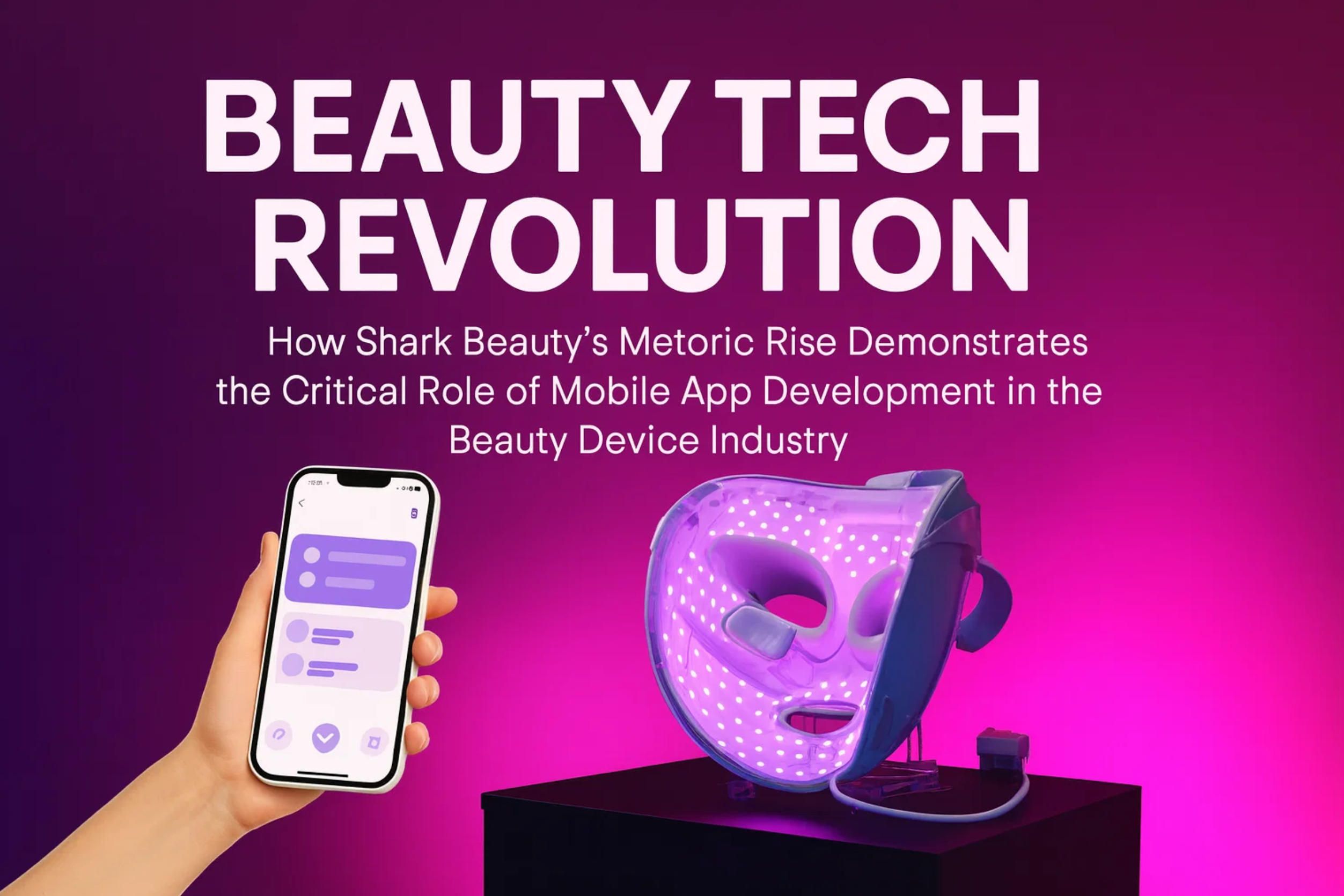
Beauty Tech Revolution: How Shark Beauty's Meteoric Rise Demonstrates the Critical Role of Mobile App Development in the Beauty Device Industry
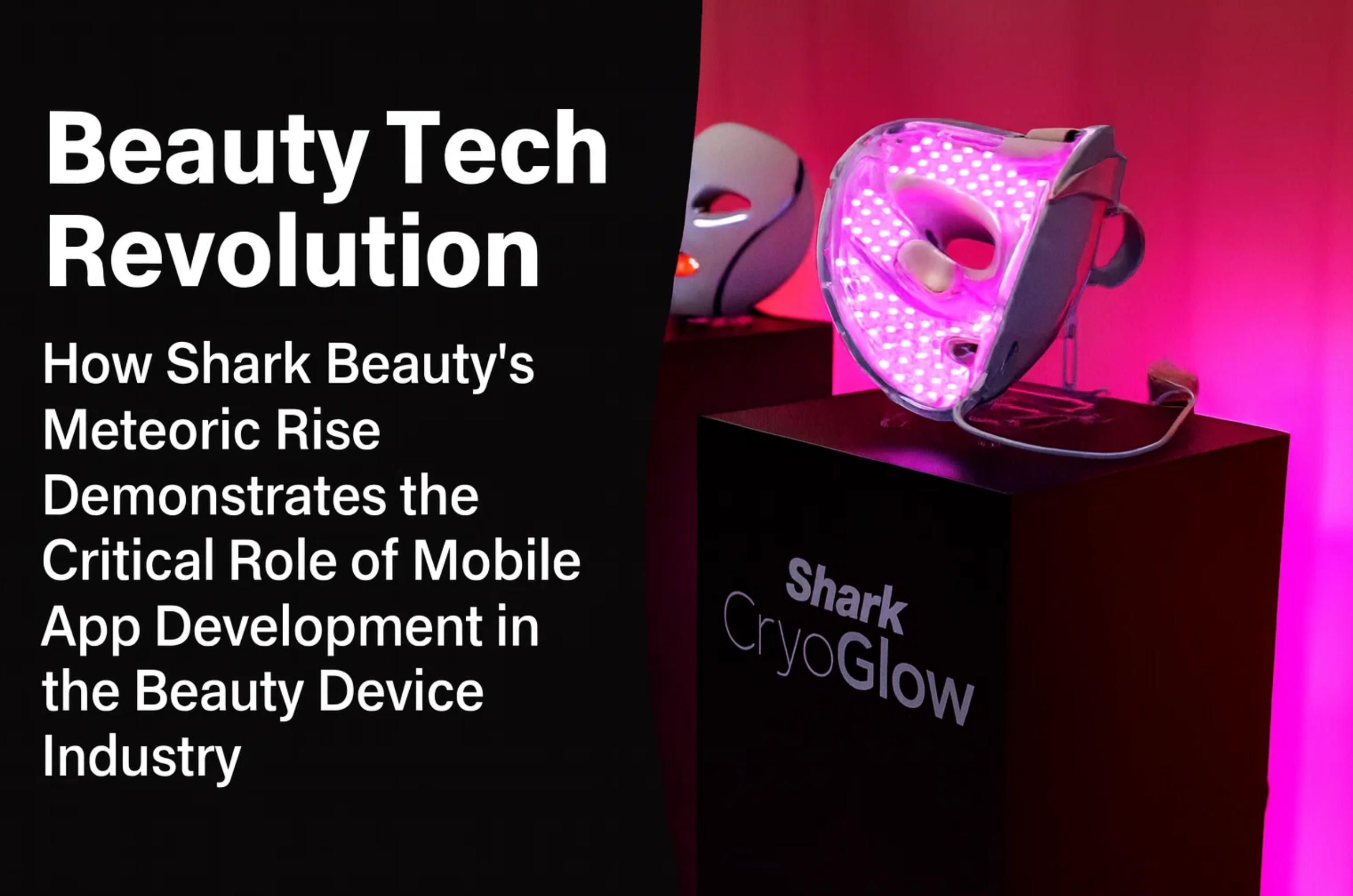
The beauty technology sector has witnessed an extraordinary transformation in recent years, with companies achieving unprecedented market dominance through the strategic integration of hardware devices and sophisticated mobile applications. SharkNinja's Shark Beauty division provides a compelling case study of this phenomenon, having ascended to become the number one skincare facial devices brand in the United States within just 11 months of entering the category. This remarkable achievement, driven primarily by their CryoGlow LED mask and FacialPro Glow devices, underscores a fundamental truth about modern beauty technology: hardware excellence must be complemented by equally sophisticated software infrastructure to capture market share and sustain growth.
The convergence of beauty, technology, and mobile applications represents more than a passing trend. It reflects a fundamental shift in how consumers interact with skincare and beauty products. A-Bots.com, with over 70 completed projects and established expertise in mobile app development, IoT solutions, and comprehensive testing services, stands ready to help beauty technology companies replicate this success model by developing the custom applications that transform innovative devices into complete ecosystem solutions.
The Shark Beauty Phenomenon: A Data-Driven Success Story
According to Circana LLC Retail Tracking Service data covering January through August 2025, Shark Beauty achieved the number one position among skincare facial devices brands in the United States, with their CryoGlow device simultaneously claiming the top spot as the number one skincare facial device. This achievement is particularly significant given the brand's relatively recent entry into the skincare category, having launched the CryoGlow mask in late 2023 after receiving FDA clearance.
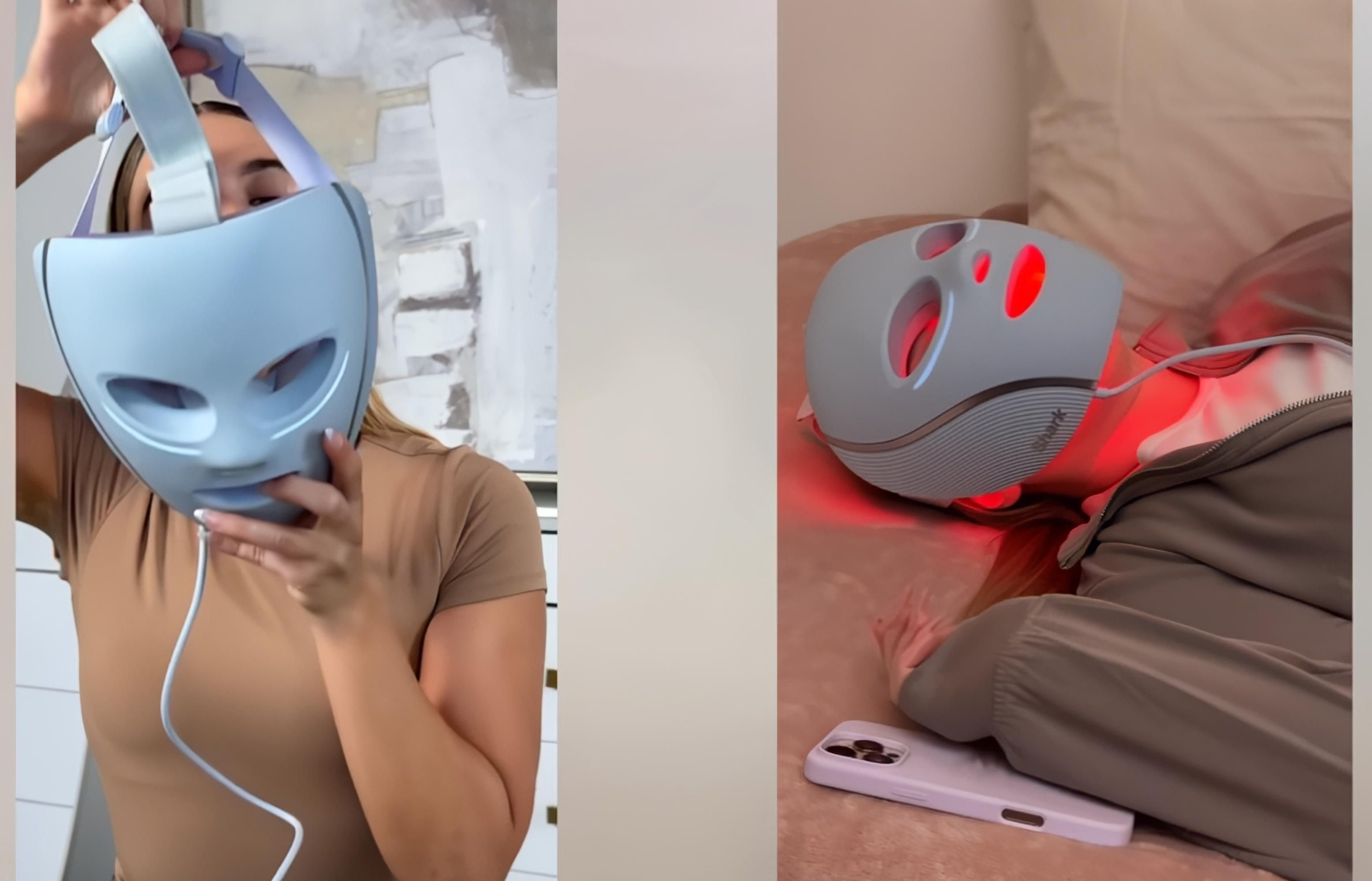
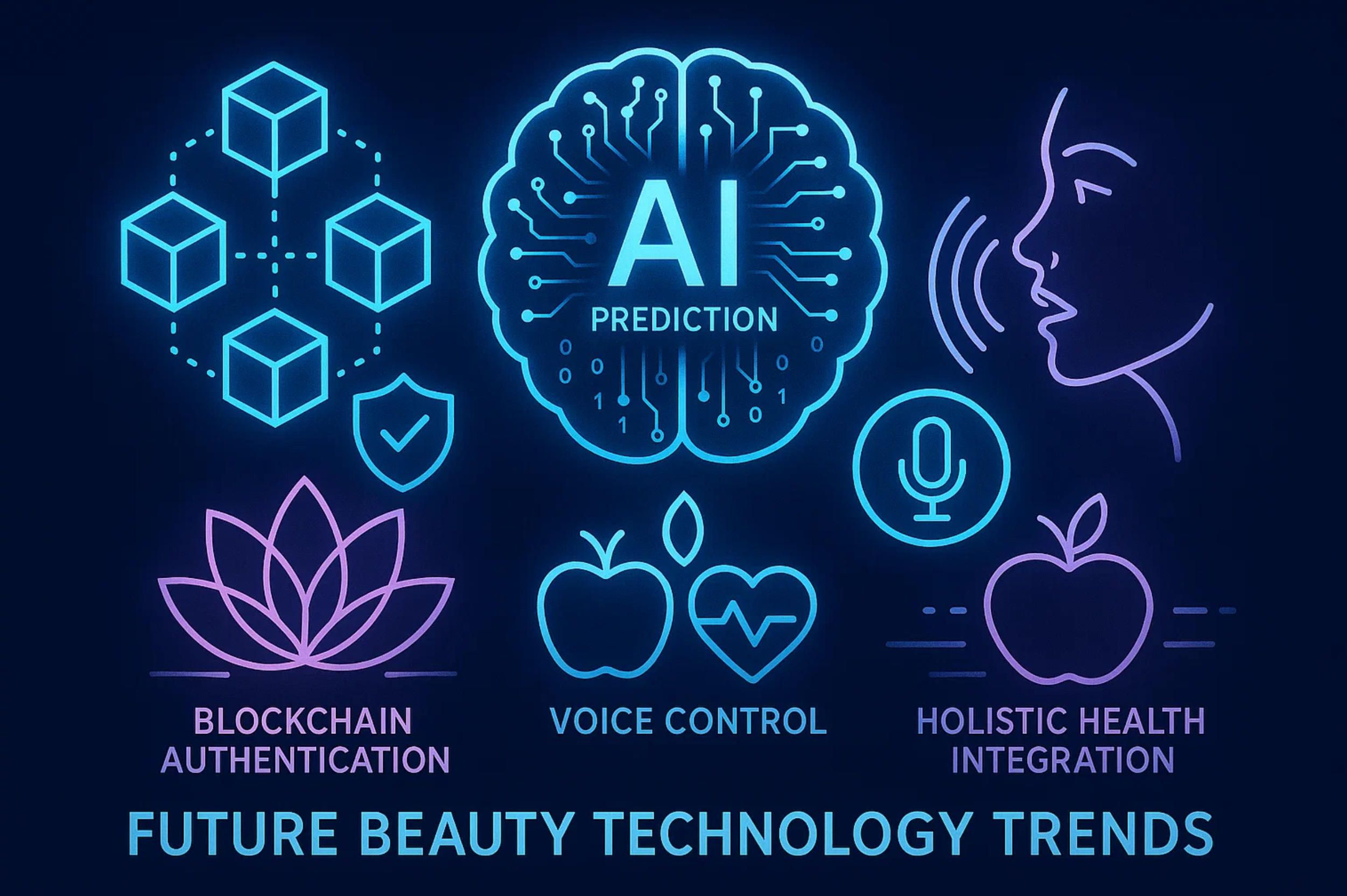
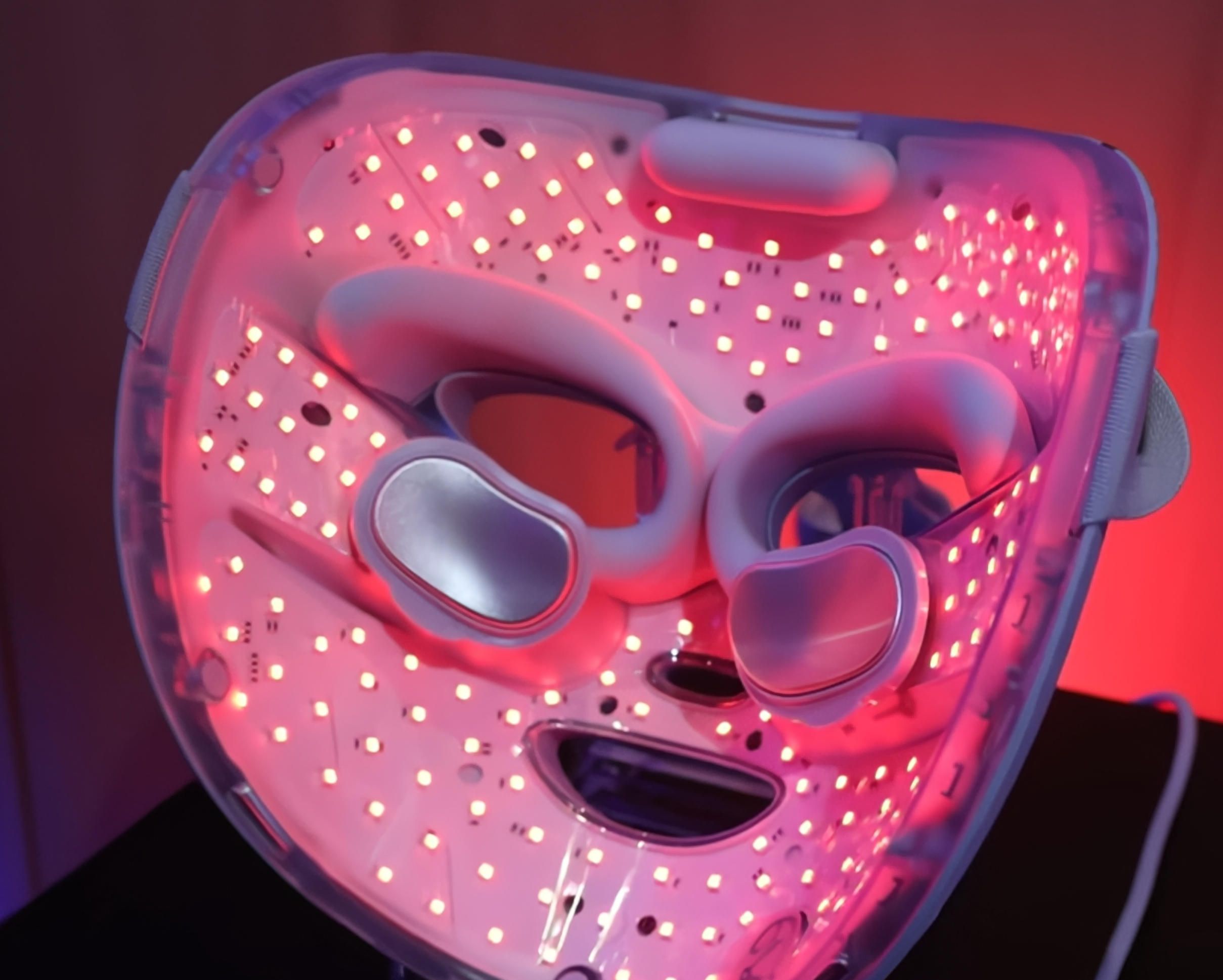
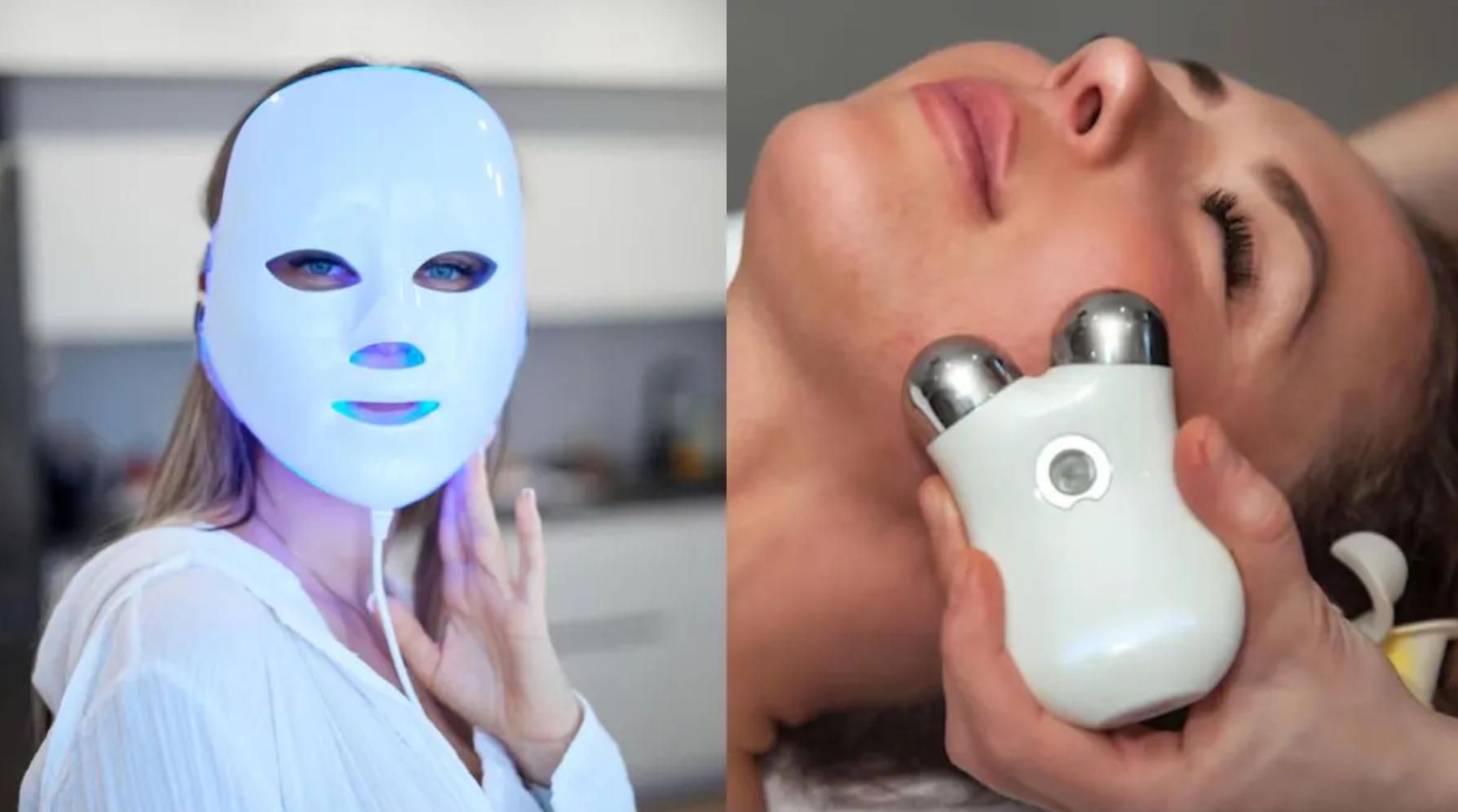
The CryoGlow device represents a sophisticated integration of multiple technologies, combining LED therapy with cryo-inspired cooling technology. The device features iQLED Technology delivering dermatologist-optimized red, blue, and deep infrared light with precise tri-wick LED sequencing for even coverage. According to clinical testing data, the device provides five times more energy to minimize fine lines in Better Aging mode and five times more energy to reduce acne in Skin Clearing mode compared to leading competitors. The device offers four treatment modes addressing different skincare needs: Under-Eye Revive Treatment (5-15 minutes), Better Aging Treatment (6 minutes), Skin Clearing Treatment (8 minutes), and Skin Sustain Treatment (4 minutes).
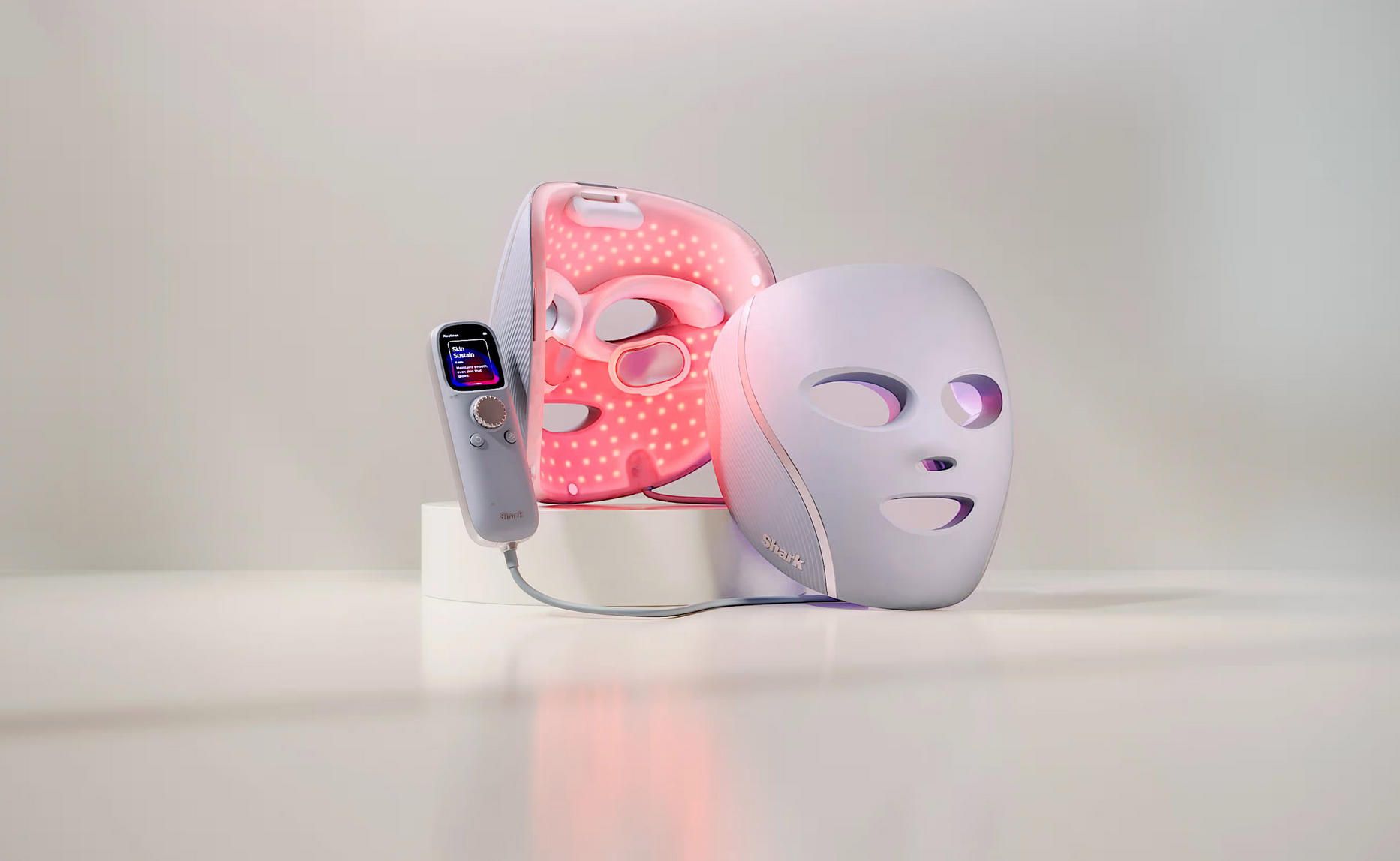
Following CryoGlow's success, Shark Beauty expanded its lineup with the FacialPro Glow, a professional-level two-in-one weekly facial system that combines exfoliation, hydration infusion, and hot-and-cold contrast therapy. The device employs a dual-pump system with multiple hydro-abrasion tips to extract impurities and infuse specialized serums developed in partnership with dermatologists. Clinical testing demonstrated clearer pores and cleaner skin in just one use, with the system designed to replicate professional medspa treatments at home.
Chief Marketing Officer Kleona Mack attributed the brand's success to a deep understanding of consumer challenges and a commitment to delivering high-performance products with visible results. This consumer-centric approach extends beyond hardware development to encompass the entire user experience, including mobile connectivity, treatment tracking, and personalized skincare guidance.
The Global Beauty Tech Market: Unprecedented Growth Trajectory
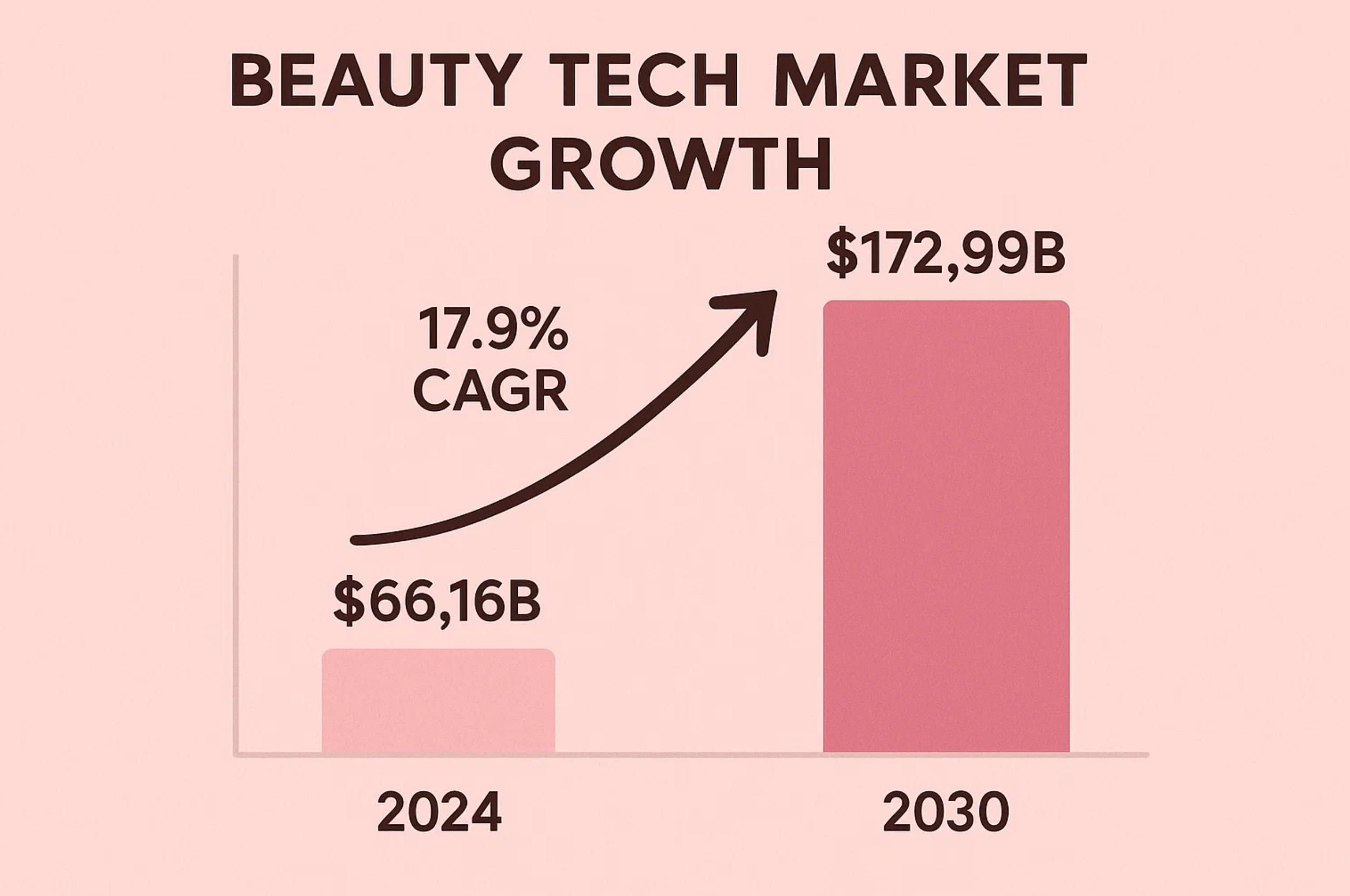
The rapid success of Shark Beauty occurs within the context of explosive growth across the entire beauty technology sector. According to Grand View Research, the global beauty tech market size was estimated at USD 66.16 billion in 2024 and is projected to reach USD 172.99 billion by 2030, representing a compound annual growth rate of 17.9% from 2025 to 2030. This growth is driven by technological advancements, shifting consumer preferences, and increasing demand for personalized beauty solutions.
Within this broader market, skincare devices represent the dominant segment, accounting for over 38% of revenue share in 2024. This dominance reflects rising consumer awareness of skin health and personalized skincare routines, with consumers increasingly investing in at-home beauty technology devices to achieve professional-quality results without visiting spas or clinics. LED therapy masks, microcurrent devices, and smart cleansing brushes have transitioned from niche products to mainstream consumer electronics, with devices from companies like NuFace, Foreo, and now Shark Beauty achieving widespread adoption.
The beauty application software market complements the hardware segment, with market size valued at USD 5.5 billion in 2023 and projected to reach USD 11.5 billion by 2031, growing at a CAGR of 10.5% according to Verified Market Research. These applications provide essential infrastructure for beauty devices, enabling features such as usage tracking, treatment reminders, progress monitoring through selfie comparison, personalized skincare recommendations, and e-commerce integration for consumable products like serums and replacement parts.
Artificial intelligence emerges as the most lucrative technology segment within beauty tech, dominating the market with over 34% revenue share in 2024. AI-powered personalization enables virtual try-ons, customized product recommendations, and skin analysis capabilities that were previously available only through dermatologist consultations. The augmented reality segment is anticipated to grow at a CAGR of 19.9% during the forecast period, driven by increasing consumer demand for interactive and immersive shopping experiences.
North America holds the largest market share within the beauty tech sector, accounting for over 38% in 2024. The United States beauty tech market benefits from sophisticated healthcare infrastructure, high disposable income levels, and extensive cultural emphasis on appearance driven by social media influence. The proliferation of influencer marketing, with 62% of women following beauty influencers on social media according to Harvard Business Review, creates powerful distribution channels for beauty technology products and drives consumer awareness of new devices and treatments.
The Medical Spa Market: Replicating Professional Treatments at Home
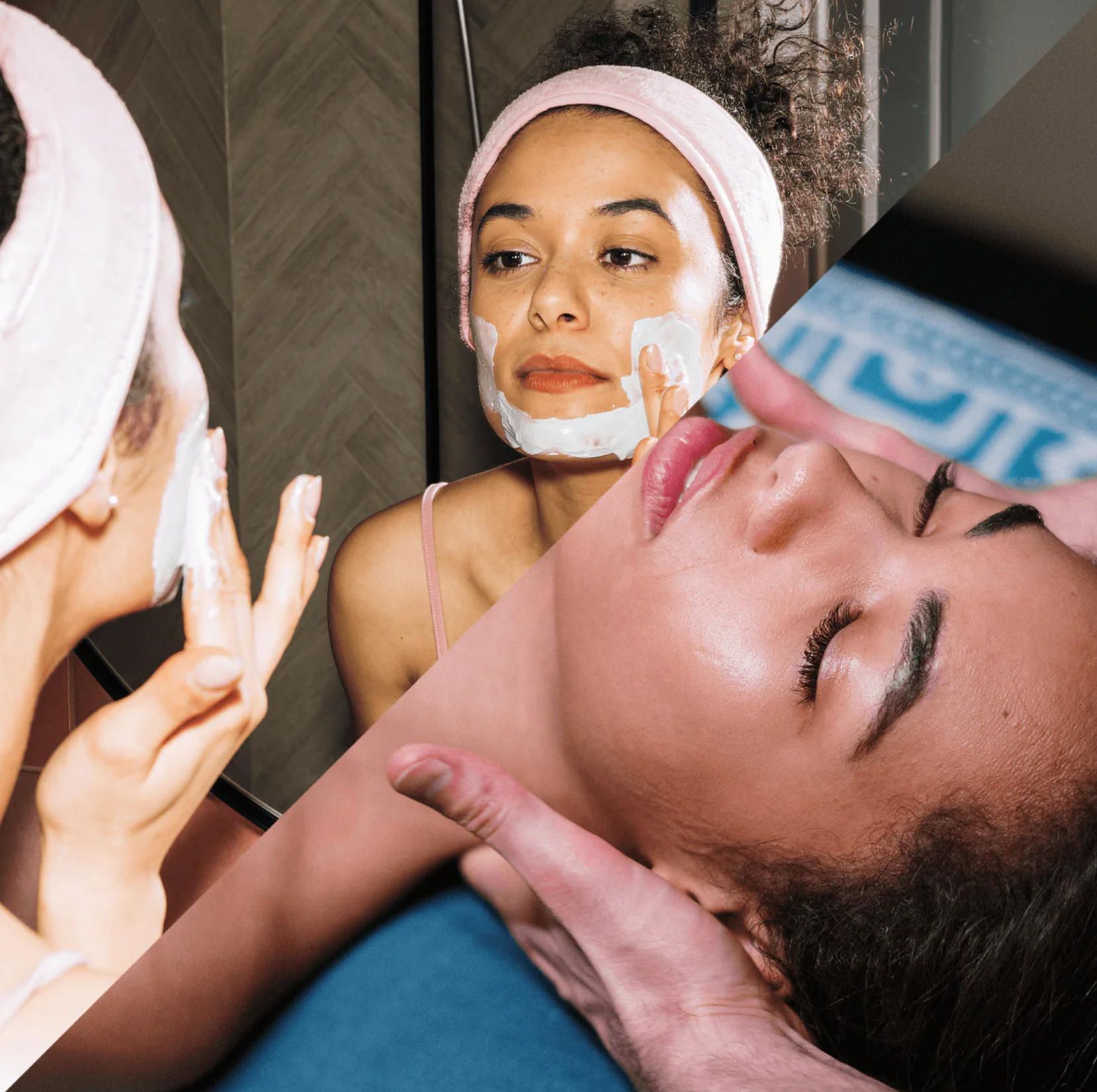
The success of devices like Shark Beauty's CryoGlow and FacialPro Glow is inextricably linked to the growth of the medical spa industry and consumer desire to replicate these professional treatments at home. According to multiple industry reports, the US medical spa market generated approximately USD 7.36 billion in revenue in 2024 and is expected to grow at a CAGR of 14% through 2034, reaching USD 27.29 billion. The American Med Spa Association reported that the number of medical spa locations in the United States increased from 8,899 in 2022 to 10,488 in 2023, representing consistent growth driven by sustained consumer demand.
The medical spa industry offers non-invasive cosmetic procedures including facial treatments, body contouring, laser therapy, chemical peels, microneedling, and dermal fillers. These treatments typically range from USD 150 to USD 500 per session, with consumers often requiring multiple sessions to achieve desired results. A facial treatment session at a medical spa might cost USD 200-300, while more advanced procedures like laser treatments can exceed USD 1,000 per session.
Beauty technology devices positioned as at-home alternatives to medical spa treatments offer compelling value propositions. The Shark CryoGlow retails for USD 349, while the FacialPro Glow is priced at USD 299.99 in the UK market. These one-time investments provide unlimited treatments at home, potentially saving consumers thousands of dollars annually compared to regular medical spa visits. According to Business of Fashion, US medical spas generated some USD 20 billion in 2024 revenue and are projected to exceed USD 40 billion by 2030, indicating substantial market opportunity for at-home device alternatives.
The shift toward at-home beauty treatments accelerated significantly following the COVID-19 pandemic, as consumers sought professional-quality results without leaving their homes. This behavioral change proved durable even as medical spas reopened, with many consumers appreciating the convenience, privacy, and cost-effectiveness of at-home treatments. However, replicating professional treatment quality at home requires more than just hardware sophistication; it demands comprehensive software infrastructure that guides users through proper technique, tracks progress, provides personalized recommendations, and creates accountability through treatment reminders and progress monitoring.
IoT and Connected Beauty Devices: The Technology Infrastructure Behind Success
The most successful beauty devices in today's market are not standalone products but rather components of connected ecosystems enabled by Internet of Things technology and mobile applications. According to market research, IoT-enabled skincare and haircare tools provide real-time tracking and personalized recommendations, with devices such as smart facial cleansers, at-home LED therapy masks, and connected hair dryers integrating AI to optimize beauty routines.
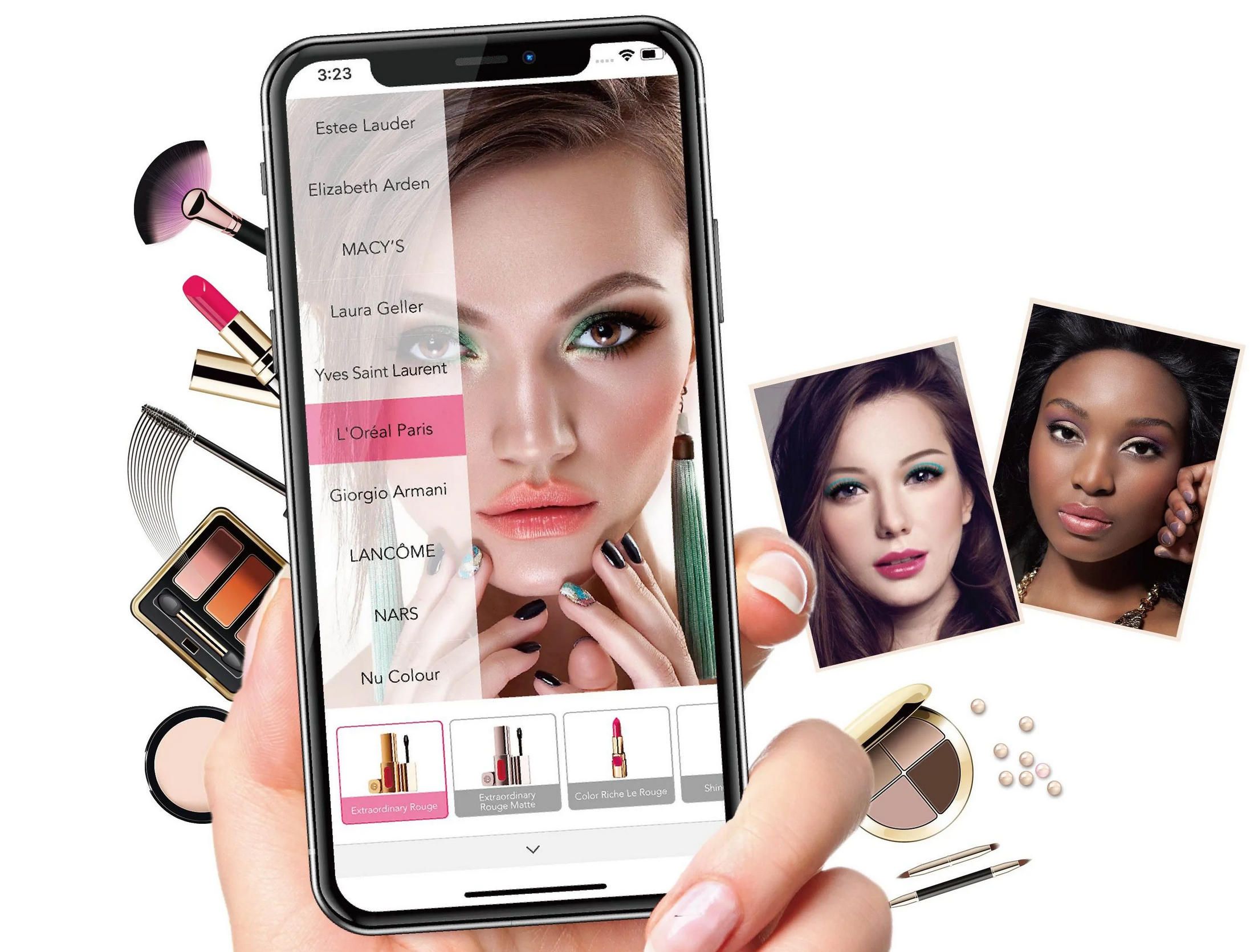
L'Oréal, one of the world's largest beauty companies, has invested heavily in IoT and connected beauty devices. The company developed products like the smart hairbrush that uses sensory technology to analyze hair texture and moisture while alerting users when they brush too hard. L'Oréal's Makeup Genius app uses algorithms to produce realistic color-rendering in real time using smartphone cameras, creating personalized virtual try-on experiences. These initiatives demonstrate how established beauty companies recognize that hardware devices without software infrastructure cannot deliver the personalized experiences modern consumers expect.
Smart skincare tools at the forefront of connected beauty include devices with integrated AI that evaluates skin conditions like wrinkles, redness, and dark spots in real time. The HiMirror, for example, provides personalized skincare recommendations based on continuous skin analysis, helping users make informed decisions about their routines. NuFace microcurrent devices feature smartphone connectivity with selfie tracking, treatment reminders, and access to multiple treatment protocols with different energy outputs based on desired results like tone or lift.
Nu Skin's ageLOC LumiSpa connects with the Vera app to provide coaching on how to optimize cleansing routines. The app tracks device usage, provides treatment reminders, and monitors long-term skin improvements. This connectivity transforms a simple cleansing device into a comprehensive skincare management system that keeps routines top of mind and provides the accountability many users need to maintain consistent skincare habits.
The integration of artificial intelligence, machine learning, and smartphone applications enables beauty devices to track skincare progress and adjust recommendations accordingly. Remote monitoring capabilities allow devices to provide data on treatment frequency, duration, and effectiveness over time. This connectivity enhances consumer experience and drives market growth by creating ongoing engagement between brands and customers long after the initial device purchase.
According to Grand View Research, individual consumers segment dominated the market with nearly 56% revenue share in 2024, driven by the growing popularity of at-home beauty tech devices. With the rise of self-care and wellness trends, consumers are investing in AI-powered skincare tools, LED therapy masks, microcurrent devices, and smart cleansing brushes to achieve salon-quality results at home. The US home-use beauty devices market size was valued at USD 7.4 billion in 2024 and is projected to reach USD 45.1 billion by 2032, growing at a CAGR of 27% according to PS Market Research.
Mobile Applications in Beauty Industry: Essential Infrastructure for Device Success
The beauty camera apps and beauty application software market provides critical infrastructure supporting beauty device adoption and usage. The beauty camera apps market is projected to register a CAGR of 13.78% from 2024 to 2029, with market size valued at USD 3.09 billion in 2024 and expected to reach USD 8.57 billion by 2031 according to Verified Market Research. These applications offer features such as skin smoothing, blemish removal, facial reshaping, and customizable beauty effects using AI algorithms that adjust based on user gender, age, and skin tone.
Beauty applications serve multiple functions within the device ecosystem:
Treatment Guidance and Education: Applications provide step-by-step instructions for device usage, ensuring users apply treatments correctly and safely. Video tutorials, animated guides, and real-time feedback help users maximize treatment effectiveness while avoiding common mistakes. For complex devices with multiple treatment modes, applications can recommend appropriate protocols based on user skin concerns and goals.
Progress Tracking and Visualization: Selfie comparison features allow users to document skin improvements over time, providing tangible evidence of treatment effectiveness. This visualization capability proves particularly important for treatments targeting gradual improvements like fine lines, firmness, or pigmentation. According to research, visual progress tracking provides sufficient encouragement to maintain treatment consistency, especially when users can literally see improvements accumulating over weeks and months.
Personalized Recommendations: AI-powered analysis of skin conditions enables applications to recommend customized treatment frequencies, durations, and product combinations. Applications can adjust recommendations based on environmental factors, seasonal changes, hormonal cycles, and other variables affecting skin condition. This personalization ensures each user receives optimized guidance rather than generic instructions.
Treatment Reminders and Accountability: Push notifications and calendar integration help users maintain consistent treatment schedules, which proves critical for achieving desired results. Many users struggle with adherence to beauty routines due to busy schedules, forgetfulness, or lack of immediate visible results. Application reminders create accountability that significantly improves treatment consistency.
E-commerce Integration: Applications facilitate replenishment purchases of consumable products like serums, gels, and replacement parts. Automatic reordering based on usage patterns, personalized product recommendations, and exclusive mobile discounts create additional revenue streams while ensuring users never run out of necessary supplies. According to Statista, mobile commerce reached 61% revenue share in beauty in 2024, making mobile app e-commerce capabilities essential.
Customer Data and Insights: Connected devices generate valuable usage data that helps manufacturers understand customer behavior, identify popular features, optimize product development, and provide targeted customer support. This data proves invaluable for improving future device iterations and developing complementary products that address unmet needs.
Community and Social Features: Some applications incorporate social elements allowing users to share results, exchange tips, and participate in challenges or rewards programs. These community features increase engagement, reduce customer acquisition costs through word-of-mouth marketing, and create brand loyalty that extends beyond individual product purchases.
The most successful beauty devices feature seamless integration between hardware and software, with applications designed specifically to enhance the device experience rather than as afterthought additions. This integration requires careful attention to user interface design, performance optimization, data security, and cross-platform compatibility to ensure all users regardless of device type can access full functionality.
How A-Bots.com Can Develop Beauty Tech Applications
A-Bots.com brings comprehensive mobile app development capabilities specifically suited to beauty technology applications. With over 70 completed projects spanning mobile app development, IoT solutions, web development, chatbots, blockchain solutions, and testing services, A-Bots.com has established expertise across the technology stack required for sophisticated beauty device applications.
Custom Mobile Application Development: A-Bots.com develops native iOS and Android applications optimized for performance, user experience, and platform-specific features. Native development ensures applications can access device cameras for selfie tracking, leverage advanced graphics capabilities for realistic rendering, utilize biometric authentication for data security, and integrate with platform notification systems for treatment reminders. Cross-platform development using frameworks like React Native or Flutter provides alternative approaches when unified codebases across platforms are prioritized.
IoT Device Integration: Beauty devices require reliable Bluetooth Low Energy connectivity, cloud synchronization, firmware update capabilities, and real-time data transmission. A-Bots.com's IoT development expertise enables seamless integration between mobile applications and beauty devices, ensuring stable connections, minimal latency, and robust error handling. The team implements industry-standard protocols while optimizing battery consumption, which proves critical for wearable or portable beauty devices.
Artificial Intelligence and Machine Learning: Modern beauty applications require AI capabilities for skin analysis, personalized recommendations, progress tracking through image comparison, and treatment optimization. A-Bots.com implements computer vision algorithms for facial feature detection, machine learning models for skin condition assessment, recommendation engines based on user data and behavior patterns, and neural networks for accurate product matching. These AI capabilities transform simple tracking applications into intelligent beauty assistants that provide genuine value to users.
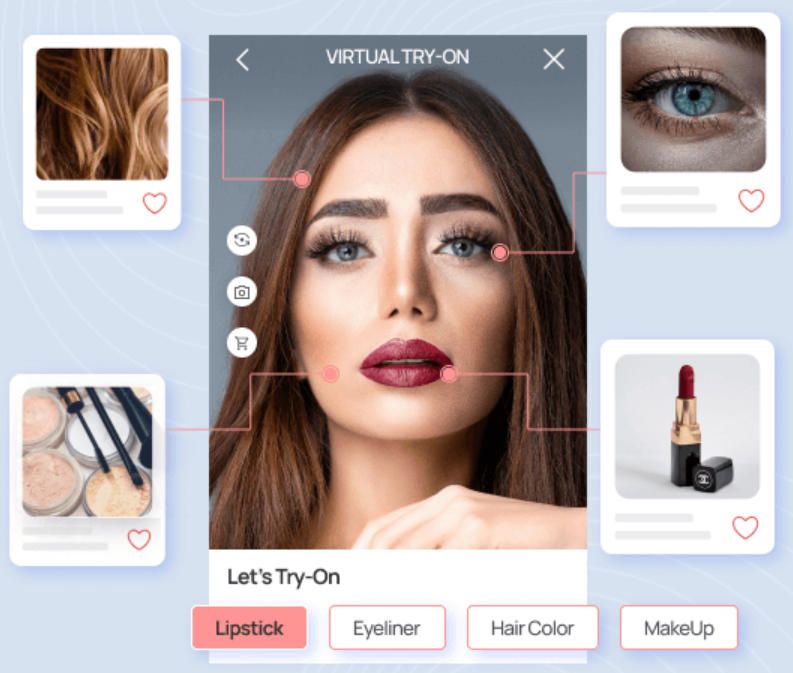
Augmented Reality Features: Virtual try-on technology has become essential in beauty applications, allowing users to preview makeup products, hair colors, and skincare results before purchase. A-Bots.com develops AR features using ARKit for iOS and ARCore for Android, enabling realistic product visualization, real-time rendering that adapts to lighting conditions and skin tones, and accurate facial tracking for makeup application. These AR capabilities reduce product returns, increase purchase confidence, and provide engaging experiences that differentiate products in crowded markets.
E-commerce Integration: Beauty device applications require robust e-commerce functionality for consumable product sales, subscription management for recurring deliveries, secure payment processing with multiple payment methods, and inventory management with real-time availability updates. A-Bots.com integrates leading e-commerce platforms while ensuring compliance with payment card industry standards and regional regulations. The team implements abandoned cart recovery, personalized product recommendations, and promotional capabilities that maximize revenue per user.
Cloud Infrastructure and Backend Development: Scalable cloud architecture supports growing user bases, data storage for treatment history and progress photos, user authentication and profile management, and analytics infrastructure for business intelligence. A-Bots.com leverages cloud platforms like AWS, Google Cloud, and Azure to build resilient backends that handle peak loads, ensure data redundancy, and provide geographic distribution for optimal performance worldwide.
Data Security and Compliance: Beauty applications handle sensitive personal information including facial photos, skin condition data, and health-related information. A-Bots.com implements encryption for data in transit and at rest, secure authentication with multi-factor options, compliance with GDPR, CCPA, and other data protection regulations, and regular security audits with penetration testing. This security-first approach protects both users and device manufacturers from data breaches and regulatory penalties.
User Experience Design: Exceptional user interfaces prove essential for beauty applications where aesthetics matter deeply to the target audience. A-Bots.com's design team creates intuitive navigation that guides users through complex device features, visually appealing interfaces that reflect brand identity, accessibility features ensuring inclusivity across age groups and abilities, and responsive designs that work across device sizes from smartphones to tablets. The team conducts user testing throughout development to validate design decisions and optimize workflows.
Comprehensive Testing Services: A-Bots.com's dedicated testing services ensure beauty applications meet quality standards before launch. The testing process includes functional testing of all features and user flows, device compatibility testing across iOS and Android versions, performance testing under various network conditions and user loads, security testing for vulnerabilities, and usability testing with representative users. This comprehensive approach identifies issues before they reach users, protecting brand reputation and ensuring smooth launches.
Augmented Reality and Virtual Try-On Technology for Beauty Applications
Augmented reality has transformed how consumers interact with beauty products, with virtual try-on technology becoming a standard expectation rather than a novelty feature. According to a survey reported by Imaginovation, businesses implementing virtual try-on technology reported a 2.5 times boost in sales conversion rates, demonstrating the significant commercial impact of AR features.
Virtual makeup try-on applications use facial landmark detection to identify features like eyes, lips, nose, and facial contours. Advanced systems detect hundreds of facial points to ensure precise product placement and realistic rendering. Products are then rendered as AR overlays that adjust in real-time as users move their heads, maintaining accurate alignment and adapting to lighting conditions. The most sophisticated systems account for skin tone variations, lighting environments, facial expressions, and head positions to create convincing virtual makeup application.
Companies like ModiFace, now part of L'Oréal, have established leadership in beauty AR with technology that powers virtual try-on for nearly a billion consumers globally. Their systems provide nail, hair, and makeup virtual try-on capabilities along with AI-powered skin diagnostics. The company's face tracking technology is specifically optimized for beauty applications, providing lightweight and fast performance even on web-based platforms without requiring application downloads.
Banuba's Beauty SDK offers an alternative approach using AI to analyze faces with just 37 parameters covering 30 face types and 7 head positions. This streamlined approach provides high accuracy while minimizing battery consumption and enabling compatibility with older devices like iPhone 6S. The SDK supports real-time try-on, static photo analysis, and video recording with applied makeup effects, providing flexibility for different use cases from e-commerce to social media content creation.
Virtual try-on technology addresses multiple business challenges in beauty product sales:
Reduced Return Rates: According to the National Retail Federation, the average e-commerce return rate was 16.9% in 2024, with incorrect product expectations being a primary driver. Virtual try-on allows customers to preview products accurately before purchase, significantly reducing returns caused by color mismatches or unsuitable products.
Increased Online Conversion: The ability to virtually test products removes significant friction from online beauty purchases. Customers gain confidence in purchase decisions without needing to visit physical stores or order multiple products to find the right match. This increased confidence directly translates to higher conversion rates and larger average order values.
Enhanced Customer Engagement: AR try-on features encourage extended interaction with brand applications and websites. Users spend significantly more time experimenting with different products and looks compared to traditional browsing, with some applications reporting average session times exceeding two minutes. This extended engagement creates stronger brand connections and increases likelihood of purchase.
Social Sharing and Viral Marketing: Virtual try-on results can be shared to social media platforms, creating organic marketing reach. Users sharing interesting or flattering virtual makeup looks effectively become brand ambassadors, reaching their social networks with authentic product demonstrations. According to Maquillar, an AR specialist focused on beauty brands, successful AR effects can generate millions of impressions through organic user-generated content.
Personalized Product Recommendations: AR systems that analyze facial features and skin tones can recommend products specifically suited to each user. This personalization improves customer satisfaction, reduces return rates, and increases customer lifetime value by building trust in brand recommendations.
For beauty device manufacturers, AR capabilities extend beyond makeup try-on to include visualization of treatment results. Applications can show projected improvements from device usage, demonstrate before-and-after comparisons using AI-enhanced predictions, and help users understand which treatment modes address their specific concerns. These visualization capabilities prove particularly valuable for devices targeting gradual improvements where immediate results may not be apparent.
A-Bots.com implements AR features using industry-leading frameworks and custom algorithms optimized for beauty applications. The development process includes 3D model creation or integration of manufacturer-provided models, facial tracking optimization for various lighting conditions and device capabilities, color calibration to ensure virtual products match physical products accurately, and performance optimization to maintain smooth frame rates even on mid-range devices. This technical expertise ensures AR features enhance rather than complicate the user experience.
Essential Features for Beauty Device Mobile Applications
Successful beauty device applications share common features that enhance user experience and drive business outcomes. Based on analysis of market-leading applications and industry best practices, A-Bots.com recommends the following feature set for beauty device applications:
Device Pairing and Management: Seamless Bluetooth connectivity with automatic device discovery, firmware update management with background downloads, multi-device support for users with multiple products, and connection troubleshooting with clear error messages and resolution steps. The pairing process should complete in under 30 seconds with minimal user input, as lengthy setup procedures create abandonment and negative first impressions.
Treatment Mode Selection and Customization: Clear descriptions of each treatment mode with expected results, visual guides showing proper device placement and movement, timer controls with progress indicators and audio cues, and intensity adjustment when devices offer variable power settings. Applications should recommend appropriate treatment modes based on user-provided skin concerns and goals while allowing manual selection for experienced users who prefer control.
Progress Tracking with Visual Documentation: Selfie capture with consistent lighting and positioning guidance, before-and-after comparison views with synchronized zooming, timeline visualization showing improvements over weeks and months, and annotation tools for marking specific areas of concern. The photography process should be streamlined to minimize friction while maintaining image quality necessary for meaningful comparison.
Personalized Skincare Routines: Daily routine recommendations based on skin type and concerns, product suggestions for serums and moisturizers that complement device treatments, seasonal adjustments for environmental changes, and integration with existing skincare products for comprehensive routine management. Routines should be simple enough for beginners while offering depth for skincare enthusiasts.
Treatment Reminders and Scheduling: Customizable notification timing based on user preferences, smart scheduling that learns optimal treatment times from user behavior, streak tracking to encourage consistency with achievement badges, and calendar integration for treatment planning around events and travel. Reminder systems should be persistent enough to maintain accountability without becoming annoying or generating notification fatigue.
Educational Content and Tutorials: Video demonstrations of proper device usage techniques, articles explaining skin science and treatment mechanisms, FAQ sections addressing common questions and concerns, and expert advice from dermatologists or aestheticians. Educational content builds user confidence, improves treatment outcomes through proper technique, and positions the brand as a knowledgeable authority in skincare.
Community and Social Features: User forums for sharing experiences and tips, social media integration for sharing progress photos, challenges or programs that create engagement and motivation, and reward systems for consistent usage or milestone achievements. Community features should be optional to respect privacy preferences while available for users who benefit from social accountability.
E-commerce and Subscription Management: Browse and purchase consumable products like gels, serums, and cleaning solutions, subscription programs for automatic replenishment at discount prices, order tracking and shipping notifications, and easy reordering of previous purchases with one-click functionality. E-commerce features should feel integrated rather than tacked-on, with personalized recommendations based on device usage patterns.
Customer Support Integration: In-app chat support for quick questions, troubleshooting guides with searchable symptoms and solutions, warranty registration and claim submission, and direct contact options for phone or email support. Support features should surface proactively when the application detects potential issues like failed connections or inconsistent usage patterns.
Analytics and Insights: Usage statistics showing treatment frequency and duration, skin improvement metrics based on progress photos, compliance scores indicating adherence to recommended routines, and personalized reports summarizing monthly or quarterly progress. Analytics should provide actionable insights rather than raw data, helping users understand what's working and where adjustments might improve results.
Privacy and Data Management: Transparent privacy policies accessible from settings, user control over data sharing and usage, data export functionality for users who want to own their information, and account deletion with complete data removal. Privacy features build trust and ensure compliance with regulations while respecting user autonomy over personal information.
Accessibility Features: Support for screen readers and voice control, text size adjustment for users with vision limitations, high contrast modes for improved visibility, and alternative navigation methods beyond touch. Accessibility ensures applications serve diverse user populations while often improving usability for all users through clearer navigation and more robust interaction patterns.
A-Bots.com works with beauty device manufacturers to prioritize features based on business goals, user needs, and development timelines. The team recommends minimum viable product approaches that launch with core functionality while establishing roadmaps for incremental feature additions based on user feedback and usage data.
Testing and Quality Assurance for Beauty Applications
Beauty applications demand rigorous testing to ensure they meet user expectations for performance, reliability, and aesthetics. A-Bots.com's comprehensive testing services address the specific challenges beauty applications face:
Functional Testing: Verification that all features work as designed across user flows, edge case handling for unusual but possible scenarios, form validation ensuring data integrity, and payment processing verification for e-commerce features. Functional testing follows structured test plans covering every application feature with documented test cases and acceptance criteria.
Device Compatibility Testing: Testing across iOS versions from current release back two major versions, Android testing across multiple manufacturers and OS versions given fragmentation, tablet optimization for larger screen experiences, and Bluetooth testing with various device firmware versions. Compatibility testing ensures applications work reliably regardless of user device choices.
Performance Testing: Application launch time optimization targeting under 3 seconds on average devices, frame rate maintenance during AR rendering and video capture, network performance under poor connectivity conditions, and battery consumption monitoring to minimize impact on device battery life. Performance testing identifies bottlenecks and optimization opportunities before they affect user experience.
Security Testing: Penetration testing to identify vulnerabilities, authentication system verification ensuring secure user access, data encryption confirmation for sensitive information, and API security testing for backend communication. Security testing protects both users and manufacturers from data breaches and unauthorized access.
Usability Testing: User testing with representative demographics including various age groups, task completion analysis for critical user flows, accessibility evaluation for users with disabilities, and A/B testing of design alternatives to optimize conversion. Usability testing validates that applications are intuitive and meet user expectations.
Bluetooth and IoT Testing: Connection stability under various environmental conditions, data synchronization verification between device and application, firmware update process validation, and error recovery testing for connection failures. IoT testing ensures reliable operation of the critical device-application connection.
Image Processing Testing: Facial detection accuracy across ethnicities and lighting conditions, AR rendering quality and realism, progress photo comparison algorithm validation, and image storage and retrieval performance. Image processing testing ensures visual features work reliably for all users.
Localization Testing: Language translation accuracy for all interface text, date and time formatting for regional conventions, currency handling for international e-commerce, and cultural appropriateness of content and imagery. Localization testing enables global market expansion with confidence that applications respect regional norms.
Regression Testing: Automated testing suites that run with each code change, verification that bug fixes don't introduce new issues, feature interaction testing ensuring new additions don't break existing functionality, and performance regression detection to catch optimization losses. Regression testing maintains quality as applications evolve.
A-Bots.com establishes testing protocols aligned with industry standards and manufacturer quality requirements. The testing process begins during development rather than after completion, enabling early issue detection when fixes are less costly. Continuous integration pipelines automate testing where possible while dedicated QA specialists conduct manual testing for aspects requiring human judgment like aesthetics and usability.
Case Studies: Successful Beauty Tech Applications in the Market
Examining successful beauty technology applications provides insights into effective strategies and features that drive adoption:
L'Oréal Beauty Genius: L'Oréal's AI-powered beauty assistant operates across smartphone and desktop platforms, answering skin, hair, and makeup questions while providing personalized recommendations from over 750 products. The system uses natural language processing to understand user queries and machine learning to match users with appropriate products based on their concerns and preferences. Beauty Genius demonstrates how AI chatbots can scale personalized customer service while gathering valuable data on customer needs and preferences.
YouCam Makeup: This virtual makeup application has achieved over 300 million users globally by providing comprehensive AR try-on capabilities for cosmetics. The application enables real-time makeup application with accurate color rendering, offers makeup tutorials with step-by-step guidance, integrates social sharing for user-generated content, and provides e-commerce capabilities for purchasing featured products. YouCam demonstrates how AR can drive engagement while monetizing through product sales and brand partnerships.
NuFace Application: NuFace's companion application for their microcurrent facial toning devices provides treatment protocol access, selfie tracking with before-after comparison, treatment reminders with streak tracking, and educational content about facial muscles and aging. The application is required to unlock the device's full potential, creating a software moat that protects hardware investment while enabling ongoing customer engagement. User reviews consistently praise the selfie tracking feature as motivation for consistent treatment adherence.
Foreo For You Application: Foreo's application for their facial cleansing and skincare devices offers personalized skincare routines, device connectivity for tracking usage, product recommendations based on skin analysis, and access to exclusive content and promotions. The application has evolved to become a comprehensive skincare platform extending far beyond device control, creating an ecosystem that increases customer lifetime value through consumable product sales and service subscriptions.
Perfect Corp YouCam Suite: Perfect Corp has developed a comprehensive platform of AR and AI beauty applications including virtual try-on, skin analysis, hair color simulation, and makeup tutorials. Their technology powers beauty applications for major retailers and brands worldwide, processing billions of AR try-on sessions annually. Perfect Corp demonstrates how specializing in beauty technology can create valuable IP and platform opportunities beyond consumer-facing applications.
These successful applications share common characteristics including seamless user experience with minimal friction, AI-powered personalization that improves over time, visual features like progress tracking and AR that leverage smartphone cameras, integration of e-commerce for monetization beyond device sales, and regular content updates that drive continued engagement. A-Bots.com incorporates these success patterns into beauty device applications while customizing features for specific product types and target audiences.
The Future of Beauty Tech Development: Emerging Trends and Opportunities
The beauty technology sector continues evolving rapidly, with several trends shaping future application development requirements:
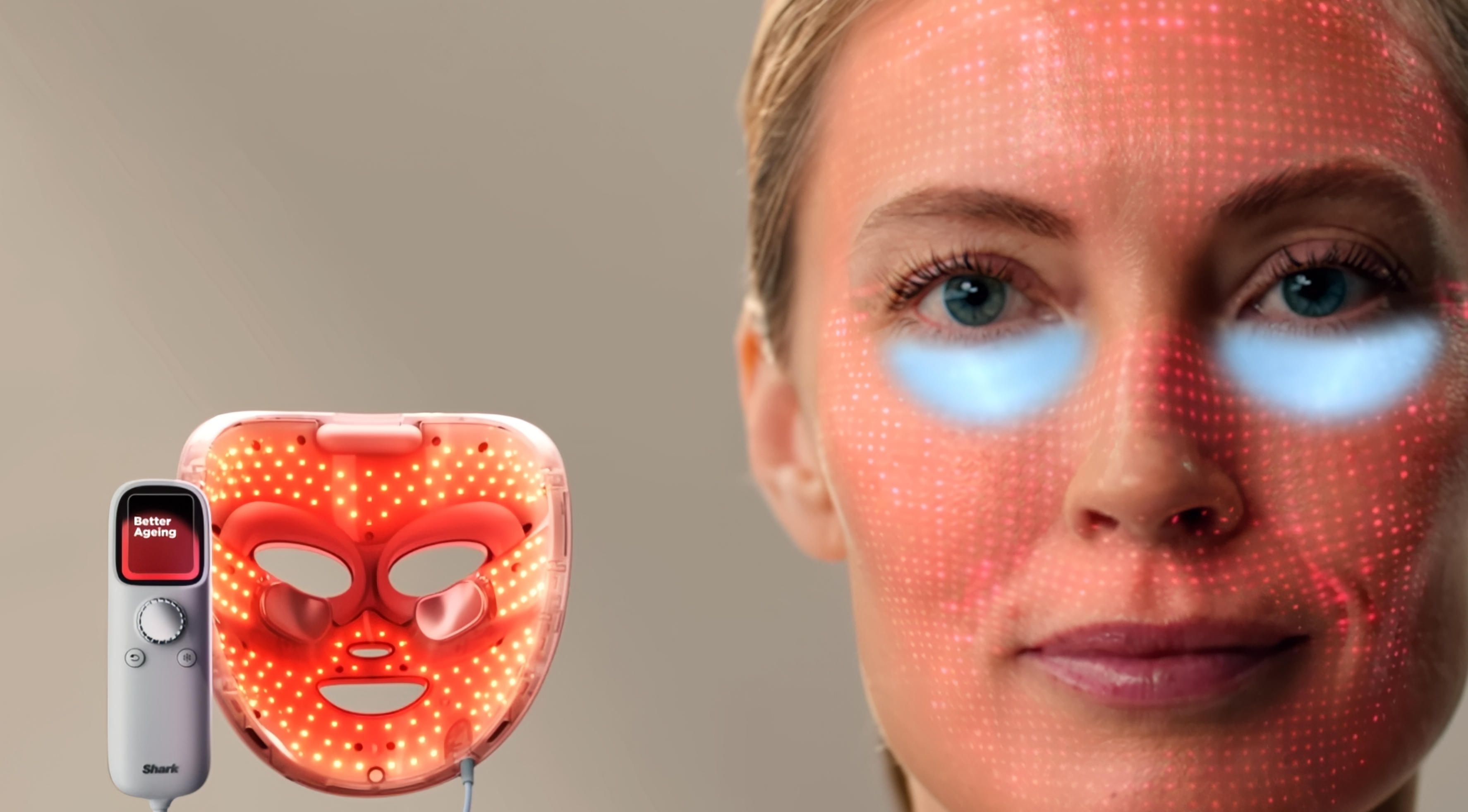
Advanced AI and Predictive Analytics: Future applications will move beyond reactive recommendations to predictive guidance, forecasting skin concerns before they become visible, recommending preventative treatments based on lifestyle and environmental factors, and simulating long-term results of consistent device usage. Machine learning models trained on larger datasets will provide increasingly accurate predictions, helping users make informed decisions about treatment investments.
Holistic Health Integration: Beauty applications will increasingly integrate data from fitness trackers, nutrition apps, sleep monitors, and stress management tools to provide comprehensive wellness guidance. Skin health correlates strongly with overall health metrics, and applications that synthesize this data can offer more effective personalized recommendations. This integration aligns with growing consumer interest in holistic approaches to beauty and wellness rather than isolated product solutions.
Sustainability and Ingredient Transparency: Consumers increasingly demand transparency about product ingredients, environmental impact, and corporate sustainability practices. Applications will provide detailed ingredient information with safety and efficacy data, carbon footprint calculation for product purchases and usage, recycling and disposal guidance for devices and consumables, and transparency about supply chain and manufacturing practices. This transparency builds trust while aligning with consumer values.
Voice and Conversational Interfaces: Voice control will become standard in beauty applications as users prefer hands-free interaction during treatment application. Natural language interfaces enable users to ask questions, adjust settings, and receive guidance without touching their devices. Integration with smart home assistants like Alexa and Google Assistant extends functionality beyond smartphone applications to ambient computing experiences.
Blockchain for Authenticity and Traceability: Luxury beauty devices will leverage blockchain technology to verify product authenticity, prevent counterfeiting, and provide complete ownership history for resale markets. NFTs may enable unique limited editions or exclusive access to premium features and content. Blockchain also enables transparent supply chains where consumers can trace products from manufacture through distribution.
Expanded AR Capabilities: Augmented reality will extend beyond virtual makeup to include simulated treatment results showing projected improvements from device usage, virtual consultations with dermatologists and aestheticians, shared AR experiences for collaborative beauty decisions, and environmental AR showing how different lighting and settings affect appearance. These expanded capabilities make AR more useful beyond initial product discovery.
Personalized Product Formulation: Some applications will enable users to order custom-formulated skincare products based on AI skin analysis and treatment history. These personalized formulations address specific concerns identified through application data, creating unique products that mass-market offerings cannot match. This capability requires sophisticated supply chain integration and manufacturing partnerships.
Teledermatology Integration: Applications will increasingly connect users with licensed dermatologists for virtual consultations, prescription treatments, and professional guidance. This integration brings medical expertise to beauty technology, particularly important for devices making clinical claims or treating medical conditions like acne. Regulatory frameworks are evolving to support telemedicine, creating opportunities for application developers.
Social Commerce and Livestream Shopping: The convergence of social media, e-commerce, and live video creates new opportunities for beauty product marketing. Applications will incorporate livestream shopping events with product demonstrations, influencer partnerships with exclusive products or discounts, social proof through user reviews and shared results, and gamification with rewards for engagement and purchases. According to OSF Digital, TikTok Shops generated approximately USD 2.5 billion in beauty sales globally in 2023, demonstrating the commercial potential of social commerce.
A-Bots.com stays current with emerging technologies and development practices, ensuring beauty device applications leverage the latest capabilities while maintaining focus on core user needs. The team evaluates trends critically, adopting those with clear user value while avoiding technology for technology's sake.
Conclusion: Partnership Opportunities with A-Bots.com
The spectacular success of Shark Beauty in capturing the number one position in skincare facial devices within 11 months demonstrates the enormous market opportunity for companies that combine hardware excellence with sophisticated software infrastructure. The beauty technology market's projected growth to USD 172.99 billion by 2030, combined with the medical spa market's expansion to USD 40 billion by 2030, creates favorable conditions for innovative beauty device companies.
However, success in this market requires more than innovative hardware. Consumers expect seamless digital experiences, personalized recommendations, progress tracking, treatment guidance, and e-commerce convenience. These expectations can only be met through custom mobile applications designed specifically for beauty technology use cases. Off-the-shelf solutions lack the specialization necessary for features like AR try-on, AI skin analysis, IoT device integration, and progress photo comparison.
A-Bots.com brings the technical expertise, industry knowledge, and comprehensive service offerings beauty device manufacturers need to succeed in this competitive market. With over 70 completed projects and established capabilities across mobile app development, IoT solutions, web development, and testing services, A-Bots.com serves as an experienced partner for companies at any stage from initial concept through post-launch optimization.
The company's services span the entire development lifecycle including requirements analysis and strategic planning to define project scope and priorities, user experience design creating intuitive interfaces aligned with brand identity, native iOS and Android development optimized for performance and platform features, IoT integration ensuring reliable device connectivity and data synchronization, AI and machine learning implementation for personalization and image analysis, AR development providing realistic virtual try-on capabilities, cloud infrastructure and backend development supporting scalability and security, comprehensive testing services validating quality across devices and scenarios, and ongoing maintenance and optimization improving applications based on user feedback and usage data.
A-Bots.com's client relationships span 1.5 to 5+ years, demonstrating the company's commitment to long-term partnerships rather than transactional project delivery. This ongoing collaboration enables applications to evolve with changing user needs, platform requirements, and technological capabilities. The team provides proactive recommendations for feature additions, optimization opportunities, and strategic direction based on industry trends and competitive analysis.
For beauty device manufacturers seeking to replicate Shark Beauty's success, the path forward is clear: combine hardware innovation with equally sophisticated software infrastructure that delivers the personalized, convenient, engaging experiences today's consumers expect. A-Bots.com stands ready to develop the custom applications that transform innovative devices into complete ecosystem solutions, enabling companies to capture market share, build customer loyalty, and establish sustainable competitive advantages in the rapidly growing beauty technology sector.
Companies interested in exploring partnership opportunities with A-Bots.com for beauty technology application development can visit https://a-bots.com to learn more about the company's capabilities, review case studies from previous projects, and schedule consultations with the development team. Whether developing applications for facial devices, body contouring tools, hair care products, or comprehensive beauty platforms, A-Bots.com provides the technical expertise and industry knowledge necessary to bring ambitious visions to reality.
FAQ: Beauty Device Mobile App Development
General Questions
Q: Why do beauty devices need mobile applications?
A: Mobile applications are essential for modern beauty devices because they provide treatment guidance and education, progress tracking through before-after photo comparison, personalized recommendations based on user skin type and concerns, treatment reminders to maintain consistency, e-commerce capabilities for consumable product replenishment, customer support integration for troubleshooting, data collection enabling continuous product improvement, and community features creating user engagement and loyalty. Without mobile applications, beauty devices function as standalone tools without the personalization, accountability, and ecosystem integration consumers expect from modern technology products.
Q: What is the beauty tech market size and growth forecast?
A: The global beauty tech market was valued at USD 66.16 billion in 2024 and is projected to reach USD 172.99 billion by 2030, representing a compound annual growth rate of 17.9% according to Grand View Research. The skincare devices segment dominates with over 38% market share, while North America leads geographically with over 38% market share. The beauty application software market is valued at USD 5.5 billion in 2023 and projected to reach USD 11.5 billion by 2031, growing at 10.5% CAGR. These growth rates demonstrate the substantial commercial opportunity for beauty device manufacturers and application developers.
Q: How did Shark Beauty achieve #1 market position so quickly?
A: Shark Beauty became the #1 skincare facial devices brand in the United States within just 11 months by combining hardware innovation with consumer-centric design, developing FDA-cleared devices with clinically proven results, offering competitive pricing ($299-349) versus high-end competitors, targeting at-home replication of medical spa treatments, providing multiple treatment modes for diverse skincare needs, and presumably integrating mobile applications for enhanced user experience. The company leveraged parent SharkNinja's established retail distribution, brand recognition from vacuum and kitchen appliance success, manufacturing expertise enabling quality at competitive prices, and marketing capabilities reaching target demographics effectively.
Q: What features should a beauty device mobile application include?
A: Essential features for beauty device applications include seamless Bluetooth pairing and device management, treatment mode selection with clear descriptions and visual guidance, progress tracking with selfie capture and before-after comparison, personalized skincare routines based on user profile, treatment reminders with customizable scheduling, educational content including tutorials and expert advice, e-commerce integration for consumable products and subscriptions, customer support with in-app chat and troubleshooting, analytics and insights showing usage patterns and improvements, privacy controls with transparent data policies, and accessibility features supporting diverse user needs. Advanced features may include AR virtual try-on, AI-powered skin analysis, community and social sharing, and integration with health and wellness platforms.
Q: How much does custom beauty app development cost?
A: Custom beauty app development costs vary significantly based on complexity, features, and platform requirements. Basic applications with device connectivity and essential features typically range from USD 50,000 to USD 80,000. Mid-tier applications incorporating AI personalization, progress tracking, and e-commerce features range from USD 80,000 to USD 150,000. Comprehensive applications with advanced AI skin analysis, AR virtual try-on, complex IoT integration, and enterprise backend systems can exceed USD 200,000. Development timelines range from 3-6 months for MVP versions to 9-12 months for full-featured applications. Ongoing maintenance and updates typically cost 15-20% of initial development annually.
Q: What is the difference between native and cross-platform beauty app development?
A: Native development creates separate applications for iOS (using Swift) and Android (using Kotlin or Java), offering optimal performance and full platform feature access, superior user experience matching platform conventions, easier implementation of advanced features like AR and AI, better access to device hardware like cameras and sensors, and higher quality but increased development cost. Cross-platform development using frameworks like React Native or Flutter creates shared codebase for both platforms, reducing development costs by 30-40%, faster time to market with simultaneous platform launch, and consistent user experience across platforms, but with potential performance limitations for graphics-intensive features, limited access to newest platform capabilities, and possible user experience compromises. For beauty applications requiring sophisticated camera features, AR capabilities, and optimal performance, native development typically provides superior results despite higher costs.
Q: How long does beauty device app development take?
A: Development timelines depend on project scope and complexity. Discovery and planning phase requires 2-4 weeks for requirements gathering, technical specification, and architecture design. Design phase takes 3-6 weeks for user experience design, visual design, and prototype creation. Development phase requires 8-16 weeks for core features, 4-8 weeks for IoT integration, 4-6 weeks for AI/ML implementation, 4-6 weeks for AR features if included, and 2-4 weeks for e-commerce integration. Testing phase needs 3-4 weeks for comprehensive quality assurance across devices and scenarios. Deployment phase takes 1-2 weeks for app store submission and approval. Total timeline for MVP ranges from 3-4 months, while comprehensive applications require 6-9 months, and enterprise-grade applications with advanced features may need 9-12 months.
Q: What technologies are used in beauty app development?
A: Beauty applications leverage diverse technologies including mobile development frameworks (Swift for iOS, Kotlin for Android, React Native or Flutter for cross-platform), IoT protocols (Bluetooth Low Energy for device connectivity, MQTT or CoAP for messaging), artificial intelligence (TensorFlow or PyTorch for machine learning, computer vision libraries for image analysis, natural language processing for chatbots), augmented reality (ARKit for iOS, ARCore for Android, face tracking libraries), cloud platforms (AWS, Google Cloud, or Azure for backend infrastructure, Firebase for real-time databases), image processing (OpenCV for photo analysis, CoreML or ML Kit for on-device processing), e-commerce platforms (Shopify or WooCommerce APIs, Stripe or PayPal for payments), and analytics tools (Google Analytics, Mixpanel, or Amplitude for user behavior tracking). Technology selection depends on specific feature requirements, budget constraints, and desired performance characteristics.
Q: How does IoT integration work for beauty devices?
A: IoT integration connects beauty devices to mobile applications through Bluetooth Low Energy pairing, enabling bidirectional communication between device and application. The device broadcasts availability for connection, application scans and identifies compatible devices, user confirms pairing through authentication process, and secure connection establishes encrypted communication channel. Once connected, the application sends commands (treatment mode selection, intensity adjustment, timer controls), receives data (usage duration, treatment completion, device status, battery level), synchronizes information to cloud storage for cross-device access, and manages firmware updates for device improvements. Robust IoT implementation includes connection stability under various environmental conditions, graceful error handling and recovery from disconnections, low power consumption to preserve battery life, and security measures preventing unauthorized device access.
Q: What is AR virtual try-on and why is it important for beauty apps?
A: Augmented reality virtual try-on overlays digital makeup products onto live camera feed or photos, allowing users to preview how products look before purchase. The technology uses facial landmark detection to identify features like eyes, lips, and facial contours, real-time rendering adapting to user movement and lighting, color accuracy matching physical product appearance, and support for multiple simultaneous products creating complete looks. Virtual try-on is important because it reduces product returns by setting accurate expectations, increases online conversion rates by building purchase confidence, enhances customer engagement through interactive experiences, generates social sharing creating organic marketing reach, provides personalized recommendations based on detected features, and differentiates brands in competitive markets. According to research, businesses implementing virtual try-on report 2.5 times boost in sales conversion rates.
Technical Questions
Q: What testing is required for beauty device applications?
A: Comprehensive testing includes functional testing verifying all features work correctly across user flows, device compatibility testing across iOS and Android versions and manufacturers, performance testing ensuring smooth operation and reasonable battery consumption, security testing protecting user data and preventing vulnerabilities, usability testing validating intuitive navigation and user satisfaction, Bluetooth connectivity testing ensuring reliable device pairing and communication, image processing testing verifying facial detection and AR rendering accuracy, localization testing for international market support, accessibility testing ensuring usability for users with disabilities, and regression testing confirming updates don't break existing functionality. Testing should begin during development rather than after completion, enabling early issue detection when fixes are less costly.
Q: How do you ensure data privacy and security in beauty apps?
A: Data privacy and security measures include encryption for data in transit using TLS/SSL and at rest using AES-256, secure authentication with hashed passwords and optional multi-factor authentication, compliance with regulations like GDPR, CCPA, and HIPAA where applicable, transparent privacy policies clearly explaining data collection and usage, user controls allowing data export and account deletion, secure API design preventing unauthorized backend access, regular security audits identifying vulnerabilities, penetration testing simulating attack scenarios, and secure cloud infrastructure using reputable providers with certifications. Beauty applications often handle sensitive information including facial photos, skin condition data, and health information, making security a critical priority that protects both users and manufacturers from breaches and regulatory penalties.
Q: Can beauty apps integrate with other health and wellness platforms?
A: Modern beauty applications increasingly integrate with broader health ecosystems including fitness trackers (Apple Health, Google Fit) providing activity and sleep data correlating with skin condition, nutrition apps offering dietary recommendations supporting skin health, stress management apps since stress affects skin appearance, smart home devices for environmental monitoring (humidity, air quality), wearable devices tracking heart rate and stress levels, telemedicine platforms connecting users with dermatologists, and wellness platforms providing holistic health guidance. This integration enables more comprehensive personalized recommendations by considering lifestyle factors beyond skincare products and treatments. API integrations and data sharing require user consent and privacy protection, but create significant value by addressing skin health holistically rather than in isolation.
Q: What ongoing maintenance and support do beauty apps require?
A: Beauty applications require ongoing maintenance including operating system updates ensuring compatibility with new iOS and Android versions, bug fixes addressing issues discovered post-launch, feature enhancements based on user feedback and competitive analysis, security patches responding to newly discovered vulnerabilities, content updates adding new educational materials and product information, performance optimization improving speed and reducing resource consumption, analytics monitoring tracking user behavior and identifying improvement opportunities, customer support responding to user inquiries and technical issues, server maintenance ensuring backend infrastructure remains operational, and third-party integration updates maintaining compatibility with APIs and SDKs. Annual maintenance typically costs 15-20% of initial development budget and is essential for sustaining application quality and user satisfaction over time.
Business Questions
Q: What is the ROI of developing a mobile app for beauty devices?
A: Mobile applications provide multiple revenue opportunities and cost savings including increased device sales through enhanced user experience and competitive differentiation, recurring revenue from consumable product subscriptions and replenishment, higher customer lifetime value through ongoing engagement and loyalty, reduced customer support costs through self-service troubleshooting and education, decreased product returns through proper usage guidance and realistic expectations, valuable user data enabling product improvements and targeted marketing, ecosystem lock-in creating switching costs protecting market share, and brand positioning as technology leader attracting early adopters. Specific ROI varies by product, market, and implementation quality, but successful beauty device companies typically see applications pay for themselves within 12-24 months through increased revenue and cost savings.
Q: Should beauty devices require apps or function standalone?
A: This represents a strategic decision with tradeoffs. Required applications create ecosystem lock-in protecting market share, enable ongoing customer engagement and data collection, provide platform for recurring revenue through consumable sales, allow continuous feature improvements through software updates, and differentiate products through sophisticated user experiences. However, they also potentially limit adoption among users uncomfortable with apps, create customer service burden for connectivity issues, require ongoing development and maintenance investment, and may face resistance from users preferring simple standalone devices. Best practice often involves hybrid approach where devices function at basic level standalone but unlock advanced features through application connectivity, providing accessibility while incentivizing app adoption.
Q: How do beauty apps generate revenue beyond device sales?
A: Beauty applications create multiple monetization opportunities including consumable product sales (serums, gels, cleaning solutions) with subscription models for automatic replenishment, premium features or content requiring in-app purchases, partnership revenue from featured brand products, advertising from complementary beauty brands, data licensing providing anonymized insights to market research firms, professional consultation services connecting users with dermatologists, white-label licensing to other beauty brands, and enterprise solutions for salons and spas. The most successful applications focus on value creation rather than aggressive monetization, ensuring revenue generation enhances rather than detracts from user experience.
Q: What competitive advantages do mobile apps provide for beauty devices?
A: Mobile applications provide significant competitive advantages including product differentiation through superior user experience, customer lock-in through ecosystem integration and data investment, continuous improvement capability through software updates, personalization impossible with standalone hardware, community building creating brand advocates, direct customer relationships bypassing retail intermediaries, data-driven insights enabling better product development, premium pricing justification through enhanced functionality, market expansion opportunities through app-only features, and barrier to entry for competitors lacking software expertise. In mature markets where hardware capabilities converge, software excellence often determines market winners.
Q: How does A-Bots.com support clients after application launch?
A: A-Bots.com provides comprehensive post-launch support including ongoing maintenance for operating system updates and bug fixes, feature development adding new capabilities based on roadmap, performance monitoring identifying and resolving issues proactively, customer support assisting with technical inquiries, security updates responding to emerging threats, analytics reporting tracking user behavior and business metrics, optimization recommendations based on usage data and industry trends, scaling support as user base grows, regulatory compliance ensuring adherence to changing regulations, and strategic consulting guiding product evolution. Client relationships span 1.5 to 5+ years demonstrating commitment to long-term partnerships rather than transactional project delivery.
✅ Hashtags
#BeautyTech
#MobileAppDevelopment
#IoTDevices
#BeautyInnovation
#SkincareTechnology
#ARBeauty
#VirtualTryOn
#BeautyDevices
#CustomAppDevelopment
#BeautyTechStartup
#FacialDevices
#SmartBeauty
#ConnectedBeauty
#BeautyApps
#TechInBeauty
Other articles
Louisville App Development Company - Mobile App Solutions Louisville app development by A-Bots.com delivers custom mobile solutions for Kentucky's innovation hub. With over 70 completed projects, A-Bots.com specializes in creating apps for bourbon tourism, smart parking systems, and enterprise business solutions. The company offers native iOS and Android development, cross-platform solutions, IoT integration, and comprehensive QA testing. Louisville generates over 30% of Kentucky's GDP and attracts millions of tourists annually, creating demand for sophisticated mobile applications. A-Bots.com's expertise spans tourism apps like the Kentucky Bourbon Trail platform, urban mobility solutions managing 4,800+ parking spaces, and enterprise applications serving Louisville's manufacturing and logistics sectors. The mobile app development market is projected to reach $753.34 billion by 2033, making now the perfect time to invest in professional Louisville app development services.
Mobile App Development Orlando Orlando has emerged as one of America's fastest-growing technology hubs, with tech employment reaching 77,700 workers and generating $15 billion annually. This comprehensive guide explores mobile app development Orlando opportunities through detailed reviews of six popular local applications: SeaWorld Orlando app, Star 94.5 Orlando app, Hits 96.5 Orlando app, FOX 35 Orlando weather app, Viva FM Orlando app, and Aquatica Orlando app. Each review analyzes features, user experience issues, and improvement opportunities. A-Bots.com offers custom development and clone app services for businesses seeking to capitalize on Central Florida's unique market. With over 70 completed projects, A-Bots.com delivers professional mobile solutions and comprehensive QA testing services.
Seattle App Development: Mobile Apps for Taxi, Sports, Security and Weather This article dives deep into Seattle app development using four familiar local experiences: the Seattle Yellow Cab app, the 710 ESPN Seattle (Seattle Sports 710) app, Hiya’s Seattle-born call security, and a dedicated Seattle weather app. For each category, we unpack what works, where UX and architecture fall short, and how businesses can go beyond “me-too” apps with smarter, more integrated solutions. A-Bots.com is presented as a custom engineering partner that can deliver clone or like-app development—taxi, sports media, voice security, or weather-driven services—designed specifically for the way people live and work in the Puget Sound region.
San Francisco Mobile App Development: 5 Real Apps Reviewed San Francisco leads global mobile innovation, and this expert analysis reveals what makes city apps succeed or fail. A-Bots.com reviews five essential urban applications: parking payment systems handling millions in daily transactions, Flywheel taxi's surprising partnership with Uber, SnapCrap's viral solution to San Francisco's sanitation crisis, MuniMobile's $25.4 million transit platform, and Bay Ferry's marine ticketing system. Drawing from 70+ completed projects, the article provides technical insights into GPS accuracy challenges, payment processing security, real-time data synchronization, and quality assurance testing that ensures applications work reliably in demanding urban environments.
Boise App Development: Mobile Solutions for Idaho's Capital Professional Boise app development guide exploring mobile technology opportunities in Idaho's capital. A-Bots.com delivers comprehensive iOS, Android, and cross-platform solutions backed by 70+ completed projects. Article features in-depth ParkMobile analysis demonstrating parking management applications serving 1 million annual Boise visitors. Examines outdoor recreation app potential supporting $4.8 billion local tourism industry, including Bogus Basin resort and Boise River Greenbelt systems. Explores healthcare technology opportunities with St. Luke's Health System implementing AI-powered patient care solutions. Includes expert quotes from Steve Jobs and Bill Gates, real market statistics, technical implementation details, and business guidance for selecting development partners.
Top stories

Copyright © Alpha Systems LTD All rights reserved.
Made with ❤️ by A-BOTS